• Skip to primary navigation
  • Skip to main content
  • HOME
  • SHOP
    • Cleanser
    • Serum
    • Day Cream
    • Toner
  • OUR STORY
  • BLOG
  • HOME
  • SHOP
    • Cleanser
    • Serum
    • Day Cream
    • Toner
  • OUR STORY
  • BLOG

organic skincare

The Connection Between Diet, Lifestyle, and Naturally Healthy Skin

February 27, 2026 by admin

Table of Contents

  1. Introduction
  2. Why Skincare Alone Is Not Enough
  3. How Nutrition Directly Affects Skin Health
  4. The Gut-Skin Connection Explained
  5. Hydration and Its Impact on Skin Function
  6. The Role of Sleep in Skin Repair
  7. Stress and Hormonal Influence on Skin
  8. How Exercise Supports Skin Renewal
  9. Supporting Skin Health with Organic Skincare
  10. Daily Lifestyle Habits for Clearer Skin
  11. Foods That Promote Naturally Radiant Skin
  12. Common Lifestyle Mistakes That Damage Skin
  13. Conclusion

Introduction

Healthy skin is often associated with skincare products, but true skin wellness begins far beyond the bathroom mirror. Diet, lifestyle habits, emotional health, and environmental exposure all influence how skin looks and behaves.
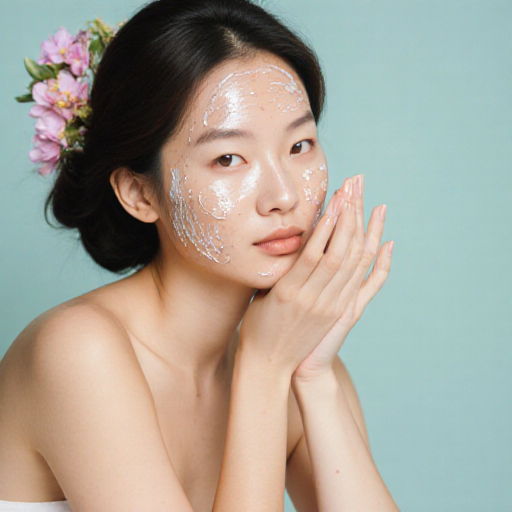
The Connection Between Diet, Lifestyle, and Naturally Healthy Skin

While quality products are essential, combining healthy living practices with organic skincare creates the strongest foundation for clear, balanced, and resilient skin. Understanding how internal and external factors work together helps achieve long-term results rather than temporary improvements.


Why Skincare Alone Is Not Enough

Skincare products work primarily on the skin’s surface. However, skin health reflects internal conditions such as nutrition, hormonal balance, stress levels, and sleep quality.

Common issues like acne, dullness, or premature aging often stem from lifestyle factors including:

  • Poor diet
  • Chronic stress
  • Dehydration
  • Lack of sleep
  • Sedentary routines

Even the most advanced skincare routine cannot fully compensate for unhealthy daily habits.


How Nutrition Directly Affects Skin Health

The skin is the body’s largest organ and relies heavily on nutrients to repair and renew itself.

Essential Nutrients for Skin

Antioxidants
Protect skin cells from environmental damage.

Healthy Fats
Strengthen the skin barrier and improve elasticity.

Vitamins A, C, and E
Support collagen production and skin regeneration.

Zinc and Selenium
Help reduce inflammation and promote healing.

A nutrient-rich diet supports cellular turnover, resulting in smoother and more radiant skin over time.


The Gut-Skin Connection Explained

Modern research highlights a powerful relationship between gut health and skin condition.

An imbalanced gut microbiome can trigger:

  • Acne breakouts
  • Rosacea flare-ups
  • Sensitivity
  • Inflammation

Digestive health influences immune responses, which directly affect skin appearance. Understanding the hidden link between gut health and glowing skin helps explain why internal wellness is essential for maintaining clear and balanced skin.

Probiotic-rich foods such as yogurt, fermented vegetables, and fiber-rich meals help support a healthy microbiome.


Hydration and Its Impact on Skin Function

Hydration plays a vital role in maintaining skin elasticity and barrier strength.

When the body lacks sufficient water:

  • Skin appears dull and tired
  • Fine lines become more visible
  • Oil production increases to compensate for dryness

Proper hydration improves nutrient transport to skin cells while aiding detoxification processes.

Drinking adequate water throughout the day enhances the effectiveness of skincare products by supporting skin from within.


The Role of Sleep in Skin Repair

Skin performs most of its repair and regeneration during sleep.

While resting, the body:

  • Produces growth hormones
  • Repairs cellular damage
  • Restores collagen structures
  • Reduces inflammation

Poor sleep quality disrupts these processes, leading to:

  • Dark circles
  • Uneven skin tone
  • Increased sensitivity
  • Accelerated aging

Consistent sleep schedules significantly improve skin clarity and resilience.


Stress and Hormonal Influence on Skin

Chronic stress triggers hormonal responses that directly affect skin health.

Elevated cortisol levels can cause:

  • Increased oil production
  • Breakouts
  • Slower wound healing
  • Inflammation flare-ups

Stress management techniques such as meditation, deep breathing, or outdoor activities help regulate hormonal balance and improve skin condition naturally.


How Exercise Supports Skin Renewal

Regular physical activity benefits the skin in several ways.

Exercise:

  • Improves blood circulation
  • Enhances oxygen delivery to skin cells
  • Promotes detoxification through sweating
  • Supports collagen production

Improved circulation gives skin a healthy glow while helping remove metabolic waste products that contribute to dullness.

Consistency matters more than intensity — even moderate daily movement benefits skin health.


Supporting Skin Health with Organic Skincare

While lifestyle habits strengthen skin internally, organic skincare complements these efforts externally.

Organic formulations typically provide:

  • Gentle nourishment without harsh irritation
  • Antioxidant-rich botanical protection
  • Improved barrier support
  • Reduced exposure to synthetic irritants

Plant-based ingredients work harmoniously with the body’s natural processes, reinforcing the benefits gained from healthy lifestyle choices.


Daily Lifestyle Habits for Clearer Skin

Small daily practices create long-term improvements.

Morning sunlight exposure helps regulate circadian rhythm and sleep quality.

Balanced meals stabilize blood sugar levels and prevent inflammation spikes.

Regular cleansing routines remove pollutants and sweat buildup.

Mindful stress management prevents hormonal skin reactions.

Consistent routines allow skin time to adapt and heal.

Healthy skin develops from sustainable habits rather than quick solutions.


Foods That Promote Naturally Radiant Skin

Incorporating skin-supporting foods enhances overall complexion.

Food TypeSkin Benefit
Leafy greensDetox support and antioxidants
Fatty fishOmega-3 for hydration and elasticity
BerriesProtection from oxidative stress
Nuts and seedsHealthy fats for barrier strength
AvocadoImproves moisture retention
Green teaAnti-inflammatory support

A balanced diet rich in whole foods provides essential nutrients needed for skin renewal.


Common Lifestyle Mistakes That Damage Skin

Many everyday habits unknowingly harm skin health.

  • Excess sugar intake increasing inflammation
  • Frequent late nights disrupting repair cycles
  • Smoking and alcohol consumption weakening collagen
  • Over-reliance on skincare products without addressing internal health
  • Extreme dieting reducing nutrient intake

Avoiding these habits significantly improves skin condition over time.


Conclusion

Naturally healthy skin is the result of harmony between internal wellness and external care. Diet, hydration, sleep, stress management, and movement all influence how the skin looks and functions.

When supportive lifestyle habits are combined with thoughtful organic skincare routines, the skin becomes stronger, clearer, and more resilient. Rather than chasing temporary fixes, focusing on holistic wellness creates sustainable beauty — where healthy skin reflects a healthy body and balanced lifestyle.
Filed Under: organic skincare

Understanding the Role of Antioxidants in Organic Skincare

February 24, 2026 by admin

Table of Contents

  1. Introduction
  2. What Are Antioxidants?
  3. How Free Radicals Damage the Skin
  4. Why Antioxidants Are Essential for Skin Health
  5. Common Antioxidants in Organic Skincare
  6. How Antioxidants Support Anti-Aging
  7. Antioxidants for Sensitive and Problem Skin
  8. Combining Antioxidants with a Daily Skincare Routine
  9. Lifestyle Factors That Boost Antioxidant Benefits
  10. Choosing the Right Antioxidant-Rich Products
  11. Conclusion

Introduction

Skin aging and damage are natural processes accelerated by environmental stressors such as pollution, UV exposure, and lifestyle factors. Organic skincare emphasizes natural solutions that not only nourish but also protect the skin. One of the most important elements in these products is antioxidants, which neutralize harmful molecules and promote long-term skin resilience.

Understanding the Role of Antioxidants in Organic Skincare

By understanding how antioxidants function and why they are included in organic formulations, you can optimize your daily skincare routine and protect your skin from premature aging while maintaining a radiant, healthy appearance.


What Are Antioxidants?

Antioxidants are molecules that inhibit oxidation, a chemical process that generates free radicals. Free radicals are unstable molecules that can damage skin cells, proteins, and DNA, leading to inflammation and premature aging.

In skincare, antioxidants act as protectors, neutralizing free radicals before they can harm the skin. Many antioxidants are derived from plants, making them ideal components of organic skincare products.


How Free Radicals Damage the Skin

Free radicals form through:

  • UV radiation
  • Pollution and smoke exposure
  • Stress
  • Poor diet

When left unchecked, free radicals break down collagen and elastin fibers, leading to:

  • Fine lines and wrinkles
  • Loss of elasticity
  • Uneven skin tone
  • Dull complexion

The skin’s natural defense system contains antioxidants, but modern lifestyles often overwhelm these defenses, necessitating supplementation through topical products.


Why Antioxidants Are Essential for Skin Health

Antioxidants protect skin cells and support their repair processes. Key benefits include:

  • Reducing oxidative stress caused by environmental factors
  • Supporting collagen production
  • Soothing inflammation
  • Enhancing overall skin tone and radiance
  • Slowing down visible signs of aging

Organic skincare formulations integrate antioxidants as they work synergistically with other natural ingredients to maintain skin health without irritation.


Common Antioxidants in Organic Skincare

Several plant-derived antioxidants are commonly found in organic products:

  • Vitamin C (Ascorbic Acid) – Brightens skin, stimulates collagen, and protects against UV damage.
  • Vitamin E (Tocopherol) – Strengthens the skin barrier and combats oxidative stress.
  • Green Tea Extract – Rich in polyphenols; reduces inflammation and pollution-induced damage.
  • Resveratrol – Protects against free radical damage and supports youthful skin appearance.
  • Coenzyme Q10 (Ubiquinone) – Boosts energy production in skin cells and repairs damage.

These antioxidants not only neutralize free radicals but also improve overall skin function when applied consistently.


How Antioxidants Support Anti-Aging

Antioxidants prevent collagen breakdown and help maintain elasticity. Regular use of antioxidant-rich organic skincare can:

  • Reduce the formation of wrinkles and fine lines
  • Minimize sun-induced damage
  • Improve skin firmness and smoothness
  • Enhance moisture retention

Unlike synthetic compounds, naturally derived antioxidants are less likely to irritate the skin and can be safely used long-term.


Antioxidants for Sensitive and Problem Skin

Individuals with sensitive or reactive skin can benefit from antioxidant-rich organic products because these compounds:

  • Calm irritation
  • Reduce redness and inflammation
  • Strengthen the skin barrier
  • Support the skin microbiome

For example, formulations containing chamomile or aloe vera combined with antioxidants provide gentle protection while minimizing the risk of reactions. For those dealing with sensitive skin, a targeted guide like organic skincare for sensitive skin explains how antioxidants reinforce resilience naturally.


Combining Antioxidants with a Daily Skincare Routine

To maximize benefits, antioxidants should be incorporated at specific points in a routine:

Morning:

  • Cleanse gently
  • Apply antioxidant serum to protect against pollution and UV exposure
  • Follow with a moisturizer and mineral sunscreen

Evening:

  • Double cleanse to remove pollutants and makeup
  • Apply a nutrient-rich antioxidant serum or oil
  • Lock in hydration with a natural moisturizer

Consistency is key: antioxidants provide cumulative protection over time, rather than instant results.


Lifestyle Factors That Boost Antioxidant Benefits

Topical antioxidants work best when paired with supportive lifestyle choices:

  • Balanced diet rich in fruits and vegetables
  • Adequate hydration
  • Sufficient sleep for cellular repair
  • Stress management techniques
  • Minimizing exposure to environmental pollutants

These habits enhance the skin’s ability to repair and protect itself, making antioxidant skincare more effective.


Choosing the Right Antioxidant-Rich Products

When selecting products, consider:

  • Organic certifications to ensure purity and minimal synthetic additives
  • Stable formulations (e.g., Vitamin C serums in opaque, airtight bottles)
  • Ingredients that match your skin type and concerns
  • Synergistic blends of antioxidants and other nourishing botanicals

A product that combines protective antioxidants with barrier-supportive elements offers the best long-term results.


Conclusion

Antioxidants are fundamental to organic skincare because they defend against environmental stress, promote repair, and slow visible signs of aging. Integrating antioxidant-rich products into your routine, alongside a healthy lifestyle, builds a foundation for naturally radiant and resilient skin.

By understanding how these compounds work and selecting quality organic formulations, anyone can support long-term skin health while reducing reliance on harsh chemical treatments. This approach ensures that your skin remains balanced, protected, and glowing for years to come.

Filed Under: organic skincare

Why Skin Barrier Health Is the Foundation of Effective Skincare

February 21, 2026 by admin

Table of Contents

  1. Introduction
  2. What Is the Skin Barrier?
  3. How the Skin Barrier Protects Your Body
  4. Signs of a Damaged Skin Barrier
  5. Common Causes of Barrier Damage
  6. Why Modern Skincare Often Weakens the Barrier
  7. How Organic Skincare Supports Barrier Repair
  8. Key Ingredients That Strengthen the Skin Barrier
  9. Building a Barrier-Friendly Skincare Routine
  10. Mistakes That Prevent Barrier Recovery
  11. How Long Barrier Repair Takes
  12. Long-Term Benefits of a Healthy Skin Barrier
  13. Conclusion

Introduction

Healthy skin begins with a strong foundation, and that foundation is the skin barrier. Many skincare concerns — acne, dryness, sensitivity, redness, and premature aging — often originate from a compromised barrier rather than isolated skin problems.

Why Skin Barrier Health Is the Foundation of Effective Skincare

Instead of constantly treating symptoms, focusing on barrier health allows the skin to function optimally. A well-designed organic skincare routine prioritizes protection, nourishment, and balance, helping the skin repair itself naturally over time.

Understanding the skin barrier is one of the most important steps toward achieving consistently healthy skin.


What Is the Skin Barrier?

The skin barrier, also called the stratum corneum, is the outermost layer of the skin. It functions like a protective shield made of skin cells held together by lipids such as ceramides, fatty acids, and cholesterol.

This structure works similarly to a brick wall:

  • Skin cells act as bricks
  • Lipids function as mortar

Together, they prevent moisture loss while blocking harmful environmental aggressors.

A healthy barrier keeps hydration in and irritants out.


How the Skin Barrier Protects Your Body

The skin barrier performs several essential roles:

  • Prevents dehydration by reducing water loss
  • Blocks bacteria and pollutants
  • Protects against UV and environmental stress
  • Maintains balanced oil production
  • Supports the skin microbiome

When functioning properly, the skin appears smooth, calm, and resilient.

Once compromised, even high-quality skincare products may fail to deliver results because the skin cannot retain nutrients effectively.


Signs of a Damaged Skin Barrier

Barrier damage is extremely common, especially in humid urban environments and among people using active skincare ingredients incorrectly.

Common warning signs include:

  • Persistent dryness or tightness
  • Increased sensitivity
  • Redness or inflammation
  • Sudden breakouts
  • Burning sensation when applying products
  • Flaky or rough texture

Many people mistakenly treat these symptoms with stronger products, which often worsens the problem.


Common Causes of Barrier Damage

Several everyday habits weaken the skin barrier.

Over-Exfoliation

Excessive scrubs, acids, or peels strip protective lipids.

Harsh Cleansers

Foaming cleansers with strong detergents remove essential oils.

Environmental Stress

Pollution, UV radiation, and air-conditioning disrupt barrier balance.

Frequent Product Switching

Constant experimentation prevents the skin from stabilizing.

Stress and Lack of Sleep

Internal health directly affects skin recovery processes.

Barrier damage is rarely caused by one factor alone but rather by accumulated stress over time.


Why Modern Skincare Often Weakens the Barrier

The beauty industry frequently promotes aggressive treatments promising fast results. Strong exfoliants, high-percentage actives, and overly complex routines can overwhelm the skin.

While active ingredients have benefits, excessive use may:

  • Disrupt pH balance
  • Increase inflammation
  • Remove protective lipids
  • Trigger sensitivity cycles

This explains why many people experience worsening skin despite using multiple products.


How Organic Skincare Supports Barrier Repair

Organic skincare focuses on restoring balance rather than forcing rapid change.

Plant-based formulations often contain:

  • Natural fatty acids
  • Antioxidants
  • Anti-inflammatory compounds
  • Gentle hydration systems

These ingredients support the skin’s natural repair mechanisms without stripping or irritating the barrier.

Learning how organic skincare supports healthy skin flora also highlights the connection between barrier health and microbiome balance, both essential for long-term skin resilience.


Key Ingredients That Strengthen the Skin Barrier

Certain organic ingredients are particularly effective for barrier repair.

Jojoba Oil
Closely resembles natural sebum and restores balance.

Squalane (plant-derived)
Enhances moisture retention without clogging pores.

Oat Extract
Soothes irritation and reduces inflammation.

Ceramide-rich botanical oils
Rebuild lipid structure naturally.

Aloe Vera
Provides calming hydration while supporting healing.

Consistent use of barrier-supportive ingredients gradually improves skin strength.


Building a Barrier-Friendly Skincare Routine

A simplified routine is often the most effective.

Morning Routine

  1. Gentle cleanser
  2. Hydrating toner or essence
  3. Lightweight moisturizer
  4. Mineral sunscreen

Evening Routine

  1. Mild cleanser
  2. Repair serum
  3. Nourishing moisturizer or facial oil

The goal is to maintain hydration while minimizing unnecessary stress on the skin.


Mistakes That Prevent Barrier Recovery

Many people unknowingly slow healing by repeating damaging habits.

Using Too Many Active Ingredients

Retinoids, acids, and exfoliants should be introduced gradually.

Skipping Moisturizer

Even oily skin requires hydration to maintain barrier integrity.

Chasing Instant Results

Barrier repair requires consistency over time.

Ignoring Environmental Protection

Sun exposure continually weakens recovery progress.

Patience plays a critical role in restoring skin health.


How Long Barrier Repair Takes

Barrier recovery timelines vary depending on severity.

ConditionEstimated Recovery Time
Mild irritation1–2 weeks
Moderate damage4–6 weeks
Severe barrier disruption2–3 months

During recovery, skin may feel calmer before visible improvements appear.

Consistency matters more than introducing new products.


Long-Term Benefits of a Healthy Skin Barrier

Once restored, a strong skin barrier delivers lasting improvements:

  • Fewer breakouts
  • Reduced sensitivity
  • Better hydration retention
  • Slower visible aging
  • Improved product effectiveness
  • Naturally radiant skin

Healthy skin becomes easier to maintain and less reactive to environmental changes.


Conclusion

The skin barrier is the true foundation of effective skincare. Rather than focusing solely on treating individual concerns, strengthening this protective layer allows the skin to heal, balance itself, and function optimally.

Organic skincare provides a gentle yet powerful approach to rebuilding barrier health by supporting natural biological processes instead of overwhelming them. With consistent care, simplified routines, and patience, restoring the skin barrier leads to stronger, calmer, and more resilient skin — the essential starting point for long-term skin wellness.

Filed Under: organic skincare

How Pollution in Urban Cities Affects Skin Aging

February 18, 2026 by admin

Table of Contents

  1. Introduction
  2. What Is Urban Skin Pollution?
  3. How Pollution Accelerates Skin Aging
  4. Types of Pollutants That Damage Skin
  5. Signs of Pollution-Induced Skin Aging
  6. Why Urban Living Increases Skin Stress
  7. The Role of Free Radicals in Premature Aging
  8. How Organic Skincare Helps Protect Urban Skin
  9. Essential Ingredients That Fight Pollution Damage
  10. Daily Anti-Pollution Skincare Routine
  11. Lifestyle Habits That Support Skin Protection
  12. Long-Term Benefits of Anti-Pollution Skincare
  13. Conclusion

Introduction

Modern urban living offers convenience, opportunity, and fast-paced lifestyles — but it also exposes the skin to environmental stressors that accelerate aging. Cities like Singapore combine heavy traffic, air pollution, humidity, and UV exposure, creating conditions that challenge skin health daily.

How Pollution in Urban Cities Affects Skin Aging

Understanding how pollution affects the skin helps individuals adopt preventive habits and choose protective organic skincare solutions that strengthen the skin barrier while reducing long-term damage.

Urban skincare today is no longer just about beauty; it is about environmental defense.


What Is Urban Skin Pollution?

Urban pollution refers to microscopic particles and chemical compounds released into the air from vehicles, industrial activities, construction, and energy production.

Common pollutants include:

  • Particulate matter (PM2.5 and PM10)
  • Nitrogen dioxide
  • Ozone
  • Heavy metals
  • Smoke and airborne toxins

These particles are small enough to settle on the skin surface and penetrate pores, triggering oxidative stress and inflammation.


How Pollution Accelerates Skin Aging

Pollution speeds up the aging process by weakening the skin’s natural protective systems.

When pollutants contact the skin, they:

  • Generate free radicals
  • Break down collagen and elastin
  • Disrupt skin barrier function
  • Increase pigmentation formation
  • Trigger chronic inflammation

Over time, these processes lead to premature wrinkles, uneven skin tone, and loss of firmness.

Unlike natural aging, pollution-related aging is preventable with proper skincare and protection.


Types of Pollutants That Damage Skin

Particulate Matter

Tiny airborne particles attach to oil and sweat on the skin, clogging pores and causing irritation.

Ozone

Ozone exposure reduces antioxidant levels within the skin, leaving it vulnerable to environmental damage.

Heavy Metals

Pollutants from traffic emissions accumulate on the skin surface and increase oxidative stress.

Blue Light Exposure

Digital devices and artificial lighting contribute additional stress that compounds environmental aging effects.

Urban environments expose skin to multiple aggressors simultaneously, making daily protection essential.


Signs of Pollution-Induced Skin Aging

Pollution-related damage often appears gradually.

Common signs include:

  • Dull complexion
  • Increased pigmentation or dark spots
  • Enlarged pores
  • Persistent redness
  • Dehydrated yet oily skin
  • Fine lines appearing earlier than expected

These symptoms indicate weakened barrier function and reduced ability to repair environmental damage.


Why Urban Living Increases Skin Stress

City lifestyles amplify environmental exposure.

Daily habits that contribute to skin stress include:

  • Commuting through traffic-heavy areas
  • Exposure to construction dust
  • Frequent transitions between outdoor heat and indoor air-conditioning
  • Limited recovery time for skin

Singapore’s dense urban environment makes consistent protective skincare particularly important for maintaining healthy skin.


The Role of Free Radicals in Premature Aging

Free radicals are unstable molecules produced when pollution interacts with skin cells.

They damage essential skin components such as:

  • Collagen fibers
  • Elastin structures
  • Lipid barriers
  • Cellular DNA

This process, known as oxidative stress, accelerates visible aging.

Antioxidants are critical because they neutralize free radicals before lasting damage occurs. Understanding the role of antioxidants in organic skincare helps explain why plant-based ingredients are effective defenses against urban environmental stress.


How Organic Skincare Helps Protect Urban Skin

Organic skincare products often contain antioxidant-rich botanical extracts that support the skin naturally.

Key benefits include:

  • Reinforcing the skin barrier
  • Reducing inflammation
  • Providing natural detoxification support
  • Delivering vitamins and phytonutrients
  • Maintaining microbiome balance

Unlike harsh cleansing methods that strip the skin, organic formulations focus on strengthening natural defense systems.


Essential Ingredients That Fight Pollution Damage

Certain organic ingredients are especially effective in urban environments.

Green Tea Extract
Powerful antioxidant protection against pollution and UV exposure.

Vitamin C from botanical sources
Brightens skin and neutralizes free radicals.

Rosehip Oil
Supports collagen production and skin repair.

Aloe Vera
Calms inflammation caused by environmental irritation.

Niacinamide (naturally derived)
Improves barrier strength and reduces visible pores.

These ingredients help skin recover from daily exposure while preventing long-term damage.


Daily Anti-Pollution Skincare Routine

A consistent routine helps maintain resilient skin in urban conditions.

Morning Routine

  1. Gentle cleanser to remove overnight impurities
  2. Antioxidant serum for environmental defense
  3. Lightweight moisturizer
  4. Mineral sunscreen to block UV damage

Evening Routine

  1. Double cleanse to remove pollutants and sunscreen
  2. Repair-focused serum
  3. Hydrating moisturizer or facial oil

Proper cleansing is crucial because pollution particles accumulate throughout the day.


Lifestyle Habits That Support Skin Protection

Skincare products work best when combined with supportive daily habits.

Stay hydrated
Water supports cellular repair processes.

Maintain a balanced diet
Antioxidant-rich foods strengthen skin resilience.

Avoid excessive touching of the face
Hands transfer pollutants and bacteria.

Prioritize sleep
Skin performs most repair functions overnight.

Use protective accessories
Hats and sunglasses reduce environmental exposure.

Small lifestyle adjustments significantly improve long-term skin health.


Long-Term Benefits of Anti-Pollution Skincare

Protecting skin from pollution produces lasting advantages:

  • Slower appearance of wrinkles
  • Improved skin clarity
  • Reduced pigmentation
  • Stronger barrier resilience
  • Healthier natural glow

Consistent protection prevents cumulative damage, allowing skin to age more gracefully despite urban environmental challenges.


Conclusion

Urban pollution is one of the most overlooked contributors to premature skin aging. Daily exposure to airborne toxins, UV radiation, and environmental stress weakens the skin over time, leading to dullness, inflammation, and accelerated aging.

By adopting antioxidant-rich organic skincare routines and protective lifestyle habits, individuals living in cities can effectively defend their skin against environmental damage. Strengthening the skin barrier and neutralizing pollutants allows the skin not only to survive urban living but to remain healthy, resilient, and radiant for years to come.

Filed Under: organic skincare

The Biggest Marketing Myths in the Organic Beauty Industry

February 14, 2026 by admin

Table of Contents

  1. Introduction
  2. Why Organic Beauty Marketing Can Be Confusing
  3. Myth 1: Natural Means Organic
  4. Myth 2: Expensive Products Are Always Better
  5. Myth 3: Organic Skincare Works Instantly
  6. Myth 4: All Chemicals Are Harmful
  7. Myth 5: Organic Products Cannot Cause Breakouts
  8. Myth 6: More Products Equal Better Results
  9. Myth 7: DIY Skincare Is Always Safer
  10. Myth 8: Organic Skincare Has No Scientific Backing
  11. How to Identify Authentic Organic Brands
  12. Building a Smarter Organic Skincare Routine
  13. Conclusion

Introduction

The organic beauty industry has grown rapidly over the past decade as consumers become more conscious about ingredients, sustainability, and skin health. However, increased popularity has also brought widespread marketing confusion.

The Biggest Marketing Myths in the Organic Beauty Industry

Many brands use attractive language that sounds trustworthy but does not always reflect product quality or authenticity. Understanding the truth behind common myths helps consumers make informed decisions when choosing organic skincare products.

Separating marketing claims from scientific reality ensures that skincare investments genuinely benefit both skin health and long-term wellness.


Why Organic Beauty Marketing Can Be Confusing

Unlike pharmaceutical products, skincare marketing often relies heavily on branding, emotional messaging, and lifestyle imagery. Terms like clean, green, natural, and pure are widely used but are not always regulated.

Consumers are frequently influenced by:

  • Social media trends
  • Influencer endorsements
  • Luxury packaging
  • Viral ingredient hype

Without understanding certification standards or formulation science, it becomes difficult to distinguish authentic organic skincare from clever marketing.


Myth 1: Natural Means Organic

One of the biggest misconceptions is assuming natural products are automatically organic.

Natural skincare simply means ingredients originate from nature. However, these ingredients may still be chemically processed or grown using pesticides.

Organic skincare, on the other hand, follows strict agricultural and production standards verified by certification bodies.

A product labeled natural may contain only small amounts of plant-derived ingredients while still including synthetic additives. Understanding the difference between organic skincare vs natural skincare helps consumers avoid misleading labels and choose products aligned with true organic principles.


Myth 2: Expensive Products Are Always Better

Price does not always reflect formulation quality.

Luxury branding often increases costs due to:

  • Marketing campaigns
  • Packaging design
  • Celebrity endorsements

Many smaller certified organic brands invest more in ingredient sourcing than advertising. A reasonably priced product with transparent certification may outperform expensive products relying primarily on brand image.

Consumers should prioritize ingredient integrity rather than price perception.


Myth 3: Organic Skincare Works Instantly

Modern marketing encourages expectations of immediate transformation. However, authentic organic skincare focuses on restoring skin health gradually.

Plant-based ingredients support:

  • Skin barrier repair
  • Reduced inflammation
  • Balanced oil production
  • Improved hydration retention

Because these improvements occur biologically, visible results typically appear after several skin renewal cycles rather than overnight.

Quick fixes often rely on temporary cosmetic effects rather than genuine skin improvement.


Myth 4: All Chemicals Are Harmful

The word “chemical” is frequently used as a negative marketing term, but scientifically, everything is made of chemicals — including water and botanical extracts.

Organic skincare avoids harmful synthetic chemicals, not all chemistry itself.

Safe skincare depends on:

  • Ingredient concentration
  • Formulation balance
  • Skin compatibility

Many plant-derived compounds undergo safe processing to enhance stability and effectiveness while remaining skin-friendly.

Understanding this distinction prevents unnecessary fear and promotes informed product choices.


Myth 5: Organic Products Cannot Cause Breakouts

Another common myth is that organic skincare works perfectly for everyone.

Even natural ingredients can trigger reactions if they do not suit individual skin types.

Possible causes include:

  • Rich botanical oils clogging pores
  • Allergies to essential oils
  • Transition periods as skin detoxifies

Organic skincare reduces irritation risk overall but still requires selecting products appropriate for personal skin needs.


Myth 6: More Products Equal Better Results

The beauty industry often promotes multi-step routines involving numerous products. However, excessive layering can overwhelm the skin.

Overloading routines may lead to:

  • Barrier damage
  • Increased sensitivity
  • Product incompatibility
  • Breakouts

Many dermatology experts now support minimalist routines that allow skin to function naturally. Organic skincare performs best when focused on quality rather than quantity.


Myth 7: DIY Skincare Is Always Safer

Homemade skincare recipes have gained popularity online, but natural ingredients are not automatically safe without proper formulation knowledge.

DIY products often lack:

  • Preservation systems
  • pH balancing
  • Stability testing
  • Contamination control

Improper mixtures may irritate skin or grow bacteria. Professionally formulated organic skincare undergoes testing to ensure safety and effectiveness.


Myth 8: Organic Skincare Has No Scientific Backing

A persistent myth suggests organic skincare is purely trend-driven without scientific support.

In reality, research continues to confirm the effectiveness of many plant-based ingredients, including:

  • Antioxidant-rich botanicals
  • Anti-inflammatory plant extracts
  • Microbiome-supporting oils
  • Naturally derived vitamins

Modern organic skincare combines traditional botanical knowledge with contemporary dermatological science to achieve balanced formulations.


How to Identify Authentic Organic Brands

To avoid marketing traps, consumers should look for:

  • Recognized certification logos
  • Transparent ingredient lists
  • Clear sourcing information
  • Minimal exaggerated claims
  • Educational content rather than hype

Brands focused on education often demonstrate stronger commitment to authenticity than those relying solely on promotional messaging.


Building a Smarter Organic Skincare Routine

A thoughtful approach to organic skincare includes:

  1. Understanding your skin type
  2. Selecting certified products
  3. Maintaining routine consistency
  4. Avoiding frequent product switching
  5. Supporting skin health through lifestyle habits

Long-term skin improvement comes from steady care rather than chasing trends or viral ingredients.


Conclusion

The organic beauty industry offers tremendous benefits, but marketing myths can easily mislead consumers. Understanding the difference between genuine organic formulations and promotional claims allows individuals to make smarter skincare choices.

Organic skincare is not about instant perfection or luxury branding — it is about supporting the skin’s natural balance through safe, responsibly sourced ingredients. By recognizing common misconceptions and focusing on education over hype, consumers can confidently build routines that deliver lasting skin health and sustainable beauty results.

Filed Under: organic skincare

Is Organic Skincare Suitable for Singapore’s Tropical Climate?

February 11, 2026 by admin

Table of Contents

  1. Introduction
  2. Understanding Singapore’s Tropical Climate
  3. How Humidity Affects Your Skin
  4. Why Organic Skincare Works Well in Tropical Weather
  5. Common Skin Concerns in Singapore’s Climate
  6. Choosing the Right Organic Ingredients for Humid Conditions
  7. Morning Organic Skincare Routine for Tropical Weather
  8. Night Skincare Routine for Skin Recovery
  9. Ingredients to Avoid in High Humidity
  10. Adjusting Skincare for Indoor vs Outdoor Environments
  11. Mistakes People Make with Skincare in Singapore
  12. Long-Term Benefits of Organic Skincare in Tropical Regions
  13. Conclusion

Introduction

Singapore’s tropical climate presents unique skincare challenges. Constant humidity, high temperatures, strong UV exposure, and frequent transitions between outdoor heat and air-conditioned environments can disrupt the skin’s natural balance.

Is Organic Skincare Suitable for Singapore’s Tropical Climate?

Many people wonder whether organic skincare is suitable for such conditions. The answer is yes — when chosen correctly, organic formulations can work exceptionally well in tropical climates by supporting the skin’s natural ability to regulate moisture, oil production, and barrier protection.

Understanding how climate interacts with skincare allows you to build a routine that keeps skin healthy year-round.


Understanding Singapore’s Tropical Climate

Singapore experiences:

  • Average humidity levels above 80%
  • Consistent temperatures between 26°C–34°C
  • Intense sun exposure throughout the year
  • Frequent indoor air-conditioning

Unlike temperate countries with seasonal changes, Singapore’s climate places continuous stress on the skin without recovery periods.

This environment affects how skincare products absorb, perform, and interact with the skin barrier.


How Humidity Affects Your Skin

High humidity creates several skin responses:

Increased oil production
Sebaceous glands become more active in warm environments.

Clogged pores
Sweat mixes with oil and environmental pollutants.

Dehydrated skin despite humidity
Air-conditioned spaces strip moisture from the skin.

Sensitivity fluctuations
Rapid temperature changes weaken the skin barrier.

Many people incorrectly assume humid climates eliminate dryness, but dehydration remains common due to indoor cooling systems.


Why Organic Skincare Works Well in Tropical Weather

Organic skincare focuses on maintaining balance rather than aggressively altering skin function.

Plant-based formulations typically:

  • Allow skin to breathe
  • Absorb more naturally
  • Reduce irritation caused by synthetic chemicals
  • Support microbiome health
  • Strengthen barrier resilience

Heavy synthetic occlusives often feel uncomfortable in humid weather, while lightweight botanical ingredients adapt more easily to Singapore’s climate.


Common Skin Concerns in Singapore’s Climate

Residents commonly experience:

  • Oily or combination skin
  • Heat-induced breakouts
  • Enlarged pores
  • Redness and inflammation
  • Sensitivity from air-conditioning exposure
  • Dull complexion caused by pollution

Organic skincare addresses these concerns by focusing on long-term skin regulation instead of temporary oil control.


Choosing the Right Organic Ingredients for Humid Conditions

Not all organic ingredients perform equally in tropical climates. Selecting lightweight and balancing botanicals is essential.

Ideal Ingredients

Aloe Vera – Hydrates without heaviness
Green Tea Extract – Antioxidant protection against pollution
Jojoba Oil – Mimics natural sebum and regulates oil production
Chamomile – Calms heat irritation
Niacinamide from natural sources – Refines pores and balances skin

Ingredients to Use Moderately

  • Heavy butters (shea or cocoa butter)
  • Thick oil blends designed for cold climates

Light formulations generally perform best in humid environments.


Morning Organic Skincare Routine for Tropical Weather

A simplified morning routine helps prevent congestion and excessive shine.

Step 1: Gentle Cleanser
Removes overnight sweat and oil buildup.

Step 2: Hydrating Toner or Essence
Maintains moisture balance without heaviness.

Step 3: Lightweight Serum
Provides antioxidants against UV and pollution exposure.

Step 4: Oil-Free Moisturizer
Hydration remains important even in humid weather.

Step 5: Mineral Sunscreen
Essential for preventing pigmentation and premature aging.

Consistency matters more than using many products.


Night Skincare Routine for Skin Recovery

Nighttime routines allow skin to repair damage accumulated during the day.

A balanced routine includes:

  • Double cleansing if sunscreen or makeup was used
  • Lightweight hydration layers
  • Barrier-supporting botanical oils in small amounts
  • Calming ingredients to reduce inflammation

Proper layering significantly improves product absorption. Learning the correct layering organic skincare products for maximum effectiveness helps prevent clogged pores while maintaining hydration in humid climates.


Ingredients to Avoid in High Humidity

Certain ingredients may worsen skin issues in tropical environments.

Avoid or minimize:

  • Heavy occlusive creams
  • Excessive silicone-based formulations
  • Alcohol-heavy toners that trigger rebound oil production
  • Overly fragranced products that increase irritation when sweating

Organic skincare tends to reduce these issues because formulations prioritize breathable textures.


Adjusting Skincare for Indoor vs Outdoor Environments

Singapore residents often transition between outdoor heat and cold indoor air-conditioning multiple times daily.

Outdoor Conditions

  • Increased sweat and oil production
  • UV and pollution exposure

Indoor Conditions

  • Moisture loss
  • Tight or dehydrated skin

Using hydrating mists, lightweight moisturizers, and gentle cleansers helps maintain balance across these environments.


Mistakes People Make with Skincare in Singapore

Over-Cleansing

Frequent washing strips protective oils, causing rebound oiliness.

Skipping Moisturizer

Humidity does not replace hydration.

Using Products Designed for Cold Climates

Rich creams formulated for winter conditions often clog pores locally.

Chasing Matte Skin

Healthy skin should be balanced, not completely oil-free.

Avoiding these mistakes allows organic skincare routines to perform optimally.


Long-Term Benefits of Organic Skincare in Tropical Regions

With consistent use, organic skincare supports skin resilience against climate stressors.

Long-term advantages include:

  • Stronger skin barrier
  • Reduced inflammation
  • Improved hydration balance
  • Fewer breakouts
  • Enhanced natural glow
  • Better aging prevention despite sun exposure

Because organic products work with natural skin biology, they help the skin adapt rather than constantly react to environmental changes.


Conclusion

Singapore’s tropical climate requires a skincare approach focused on balance, breathability, and barrier protection. Organic skincare is particularly well suited to these conditions because plant-based formulations nourish the skin without overwhelming it.

By selecting lightweight ingredients, maintaining consistent routines, and adapting skincare to both humid outdoor environments and air-conditioned indoor spaces, individuals can achieve healthier, more resilient skin throughout the year.

When used thoughtfully, organic skincare becomes not just suitable for tropical climates — but one of the most effective approaches for maintaining long-term skin health in Singapore’s unique environment.

Filed Under: organic skincare

  • Page 1
  • Page 2
  • Page 3
  • Interim pages omitted …
  • Page 12
  • Go to Next Page »

Pureté offers a luxurious experience that nurtures and enhances your skin’s natural radiance.

Useful Links

Privacy Policy
Terms of Service
Shipping & Delivery
FAQs
Disclaimers

Our Products

1. Cleanser
2. Serum
3. Day Cream
4. Toner

©2025. Pureté All Rights Reserved.