• Skip to primary navigation
  • Skip to main content
  • HOME
  • SHOP
    • Cleanser
    • Serum
    • Day Cream
    • Toner
  • OUR STORY
  • BLOG
  • HOME
  • SHOP
    • Cleanser
    • Serum
    • Day Cream
    • Toner
  • OUR STORY
  • BLOG

organic skincare

How Travel Affects Your Skin: An Organic Skincare Packing Guide

May 30, 2026 by admin

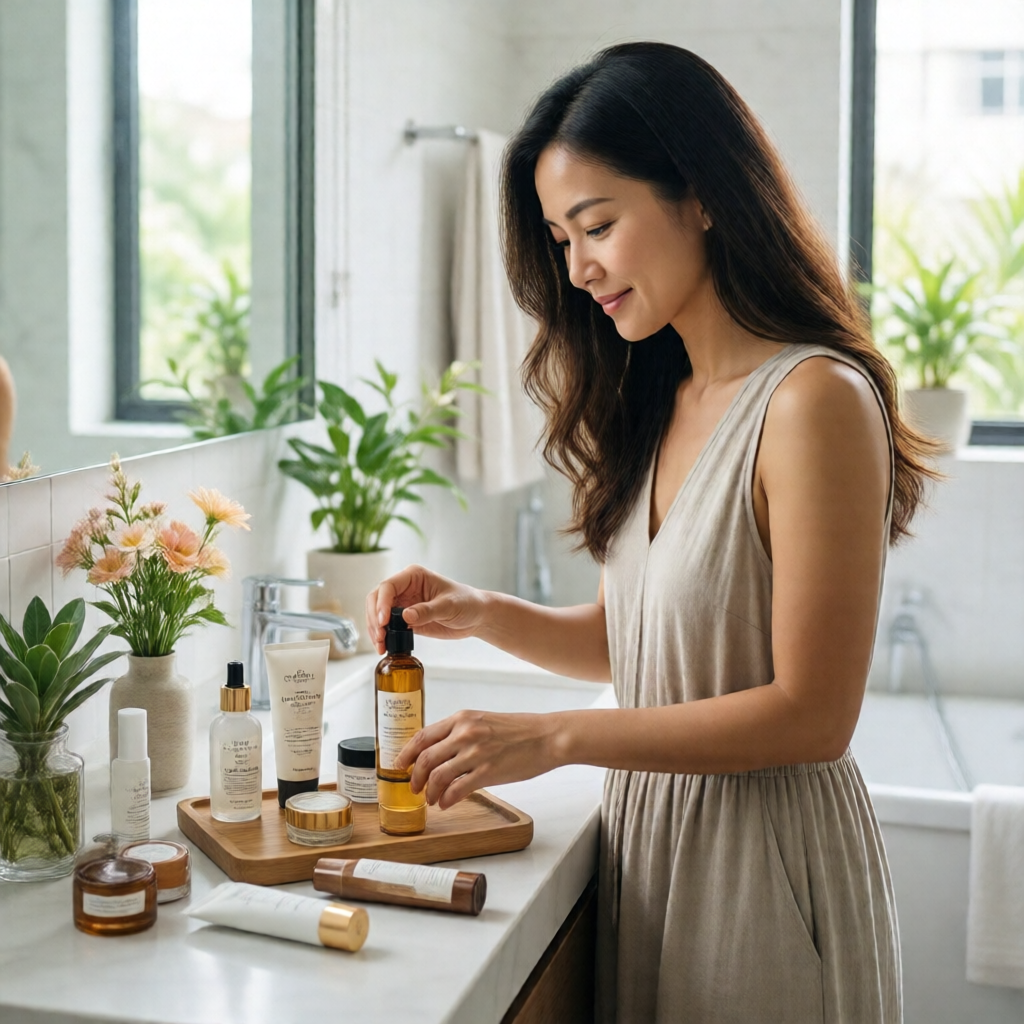
The moment you step onto a plane, your skin enters a different world. Airplane cabins drop to humidity levels below 20 percent—drier than the Sahara Desert—while your skin prefers a comfortable 40 to 70 percent . At cruising altitude, you are closer to the sun’s harmful rays, and UVA radiation penetrates airplane windows, accelerating photoaging . Add time zone changes, stress, disrupted sleep, and unfamiliar climates, and your complexion faces a perfect storm of dehydration, dullness, and irritation. For organic skincare enthusiasts, travel demands a strategic approach that maintains your clean beauty principles while addressing these unique challenges.

How Travel Affects Your Skin: An Organic Skincare Packing Guide

The Science of Flight Face

Understanding what happens to your skin during travel is the first step in protecting it. The low humidity in airplane cabins causes transepidermal water loss—moisture evaporating from your skin into the dry air—leading to tightness, flaking, and a compromised barrier . Changes in cabin pressure slow circulation, causing puffiness around the eyes and a loss of natural glow . Recirculated air contains half as much moisture as sea-level air, drying out not just your skin but your throat, nose, and eyes as well .

For frequent flyers, the cumulative effects are significant. Studies show that pilots and cabin crew have approximately twice the incidence of melanoma compared to the general population, largely due to increased UV exposure at altitude . Even occasional travelers experience temporary dullness and dehydration that can take days to reverse without proper care.

Pre-Flight Preparation: The Night Before

Smart travel skincare begins before you ever reach the airport. The evening before your flight, use a gentle organic exfoliant—such as an enzyme treatment with papaya or pineapple—to remove dead skin cells and create a smooth canvas for hydration . Follow with a rich overnight recovery treatment containing hyaluronic acid or botanical oils to deeply nourish your barrier.

Avoid alcohol and salty foods the night before, as both dehydrate your body and skin . Drink extra water and prioritize sleep, since sleep deprivation increases stress hormones and inflammation that exacerbate travel-related skin issues .

The Organic Travel Kit: TSA-Approved Essentials

The Transportation Security Administration’s 3-1-1 rule allows liquids, gels, and creams in containers of 3.4 ounces (100 milliliters) or less, all fitting into one quart-sized transparent bag . For organic skincare devotees, this constraint is an opportunity to curate a minimalist, high-performance travel kit.

ProductPurposeOrganic Key Ingredients
Gentle CleanserRemove impurities without strippingChamomile, aloe vera, coconut milk
Hydrating SerumDraw moisture into the skinHyaluronic acid, glycerin, botanical extracts
Rich MoisturizerSeal hydration and repair barrierCeramides, shea butter, squalane
Mineral SunscreenProtect against UV at altitudeZinc oxide, titanium dioxide
Facial OilDeep nourishment and occlusive protectionRosehip, sea buckthorn, jojoba
Hydrating MistInstant moisture without touching faceAloe vera, rose water, glycerin
Lip BalmPrevent chapping and crackingBeeswax, coconut oil, calendula
Hand CreamProtect frequently washed handsShea butter, almond oil, vitamin E

Choose products in solid or powder form when possible to bypass liquid restrictions entirely. Solid cleansers, balm moisturizers, and powdered masks reduce your liquid load while maintaining your organic standards .

In-Flight Strategy: Hydrate, Mist, Protect

Once airborne, your primary goal is maintaining hydration. Dermatologists recommend drinking approximately eight ounces of water every hour of flight—far more than most travelers consume . Avoid caffeine and alcohol, which further dehydrate your body and skin .

For your skin, apply a rich moisturizer before boarding to create a protective barrier against the dry cabin air . During the flight, use a hydrating mist every hour to replenish moisture without disturbing makeup or touching your face with potentially unclean hands . Look for mists containing aloe vera, rose water, and glycerin—ingredients that attract and retain moisture while soothing irritation .

Sunscreen is non-negotiable, even at 35,000 feet. Apply a broad-spectrum mineral SPF before takeoff and reapply every two hours, especially if you have a window seat . The combination of altitude and UV penetration through airplane windows creates significant cumulative sun exposure over long flights.

Adapting to Your Destination’s Climate

Your travel skincare should shift based on where you are going. In humid tropical destinations like Southeast Asia, pack lightweight, non-comedogenic organic products that balance oil without clogging pores . Gel-based moisturizers with hyaluronic acid and aloe vera provide hydration without heaviness.

For cold or dry climates, layer richer formulations. A facial oil beneath your moisturizer creates an occlusive seal that prevents moisture loss in harsh winds and heated indoor air . Bring a thicker body butter for arms and legs, which often suffer more than facial skin in extreme temperatures.

Post-Flight Recovery: Reset and Restore

Upon landing, your skin needs immediate attention to recover from the journey. Start with a gentle oil cleanse to remove the buildup of dry air pollutants, followed by your regular water-based cleanser . Apply a hydrating sheet mask or a thick layer of aloe vera gel for 15 minutes to flood your skin with moisture and calm any irritation.

A cooling eye treatment helps de-puff and brighten the eye area, which often shows the most visible signs of travel fatigue . Continue using your mineral sunscreen daily, as your destination’s sun exposure may be more intense than what your skin is accustomed to.

Smart Packing Tips for Organic Travelers

Decant into reusable containers: Invest in high-quality travel bottles and jars to transfer your favorite organic products while reducing waste . Label each container clearly to avoid confusion.

Prioritize multi-use products: A balm that works for lips, cuticles, and dry patches reduces your item count. A facial oil that doubles as a body moisturizer simplifies your kit.

Pack solids when possible: Solid cleansers, shampoo bars, and balm moisturizers eliminate liquid restrictions and are often more concentrated than their water-based counterparts .

Keep essentials accessible: Place your quart-sized liquid bag at the top of your carry-on for easy removal during security screening . Keep your mist, lip balm, and hand cream in your seat pocket for in-flight access.

Consider your skin’s needs: If you are prone to breakouts, pack a blemish treatment with tea tree oil or willow bark extract. If sensitivity is your concern, bring extra chamomile or colloidal oatmeal products for calming flare-ups .

The Mind-Skin Connection

Travel stress directly impacts your complexion. Cortisol spikes from tight connections, luggage worries, and disrupted routines trigger inflammation that shows on your face . Build small moments of calm into your journey: a few deep breaths during turbulence, a brief facial massage with your oil after cleansing, or simply closing your eyes and misting your face during a long flight. These micro-rituals support both your mental state and your skin’s resilience.

Final Thoughts: Travel Smart, Stay Radiant

Travel does not have to deplete your skin. With thoughtful preparation, strategic packing, and consistent in-flight care, you can arrive at your destination looking refreshed rather than ravaged. Organic skincare is particularly well-suited to travel because its gentle, barrier-supporting philosophy aligns perfectly with what stressed skin needs most: nourishment, protection, and respect.

Whether you are flying to a humid tropical beach, a dry mountain retreat, or a bustling city, this packing guide ensures your organic routine travels as gracefully as you do.

Ready to build your travel-ready organic skincare kit? Explore our full collection of organic skincare and discover TSA-friendly formulations for every journey. To make informed choices from day one, learn how to read organic skincare labels like a pro.

Filed Under: organic skincare

How to Treat Keratosis Pilaris with Natural Exfoliation

May 25, 2026 by admin

Those tiny, rough bumps on your upper arms, thighs, or cheeks—often called “chicken skin” or “strawberry skin”—are the hallmark of keratosis pilaris (KP). This common, harmless condition affects up to 80 percent of adolescents and 40 percent of adults, caused by excess keratin protein plugging hair follicles and creating a rough, textured surface . While there is no permanent cure, the right natural exfoliation approach can dramatically smooth your skin without the irritation that harsh chemical treatments often cause.

How to Treat Keratosis Pilaris with Natural Exfoliation

Understanding Keratosis Pilaris from a Natural Perspective

At its core, KP is a keratin management issue. Your skin produces this protective protein naturally, but in KP sufferers, it accumulates inside pores instead of shedding normally. This creates the characteristic rough, spiky bumps that can range from skin-colored to red or brown depending on your complexion . The condition is strongly genetic, often appearing alongside eczema, dry skin, or hay fever, and tends to worsen during hormonal shifts like puberty, pregnancy, or menopause .

Conventional treatments rely on synthetic keratolytic agents—salicylic acid, lactic acid, glycolic acid, and urea—to chemically dissolve the buildup . While effective, these can cause burning, itching, and unpleasant smells, particularly for those with sensitive skin . Natural exfoliation offers a gentler alternative that works with your skin’s biology rather than aggressively stripping it.

The Natural Exfoliation Toolkit

Sea Salt: Mineral-Rich Physical Exfoliation

Sea salt is one of the most effective natural exfoliants for KP. Unlike harsh synthetic scrubs with plastic microbeads, sea salt contains trace minerals that soothe inflammation while physically lifting dead skin cells and unclogging follicles . Its granular texture provides just enough abrasion to smooth rough patches without creating micro-tears in sensitive skin.

For a simple at-home treatment, mix two teaspoons of fine sea salt with four teaspoons of raw honey. Apply to damp skin in gentle circular motions, leave for 15 minutes, then rinse with warm water . The honey provides humectant moisture that prevents the dryness that often worsens KP, while the salt dissolves the keratin plugs.

Dry Brushing: Circulation and Cell Turnover

Dry brushing is an ancient practice that offers multiple benefits for KP-prone skin. Using a natural bristle brush on dry skin before showering helps unclog pores, stimulates lymphatic drainage, and encourages healthy cell turnover . The key is gentleness—use long, sweeping motions without pressing too hard. The goal is to loosen dead skin, not abrade living tissue. Follow immediately with a shower and apply a natural oil while your skin is still damp to lock in moisture.

Papain: Enzymatic Exfoliation from Nature

Papain, an enzyme derived from papaya, represents a breakthrough in gentle chemical exfoliation. Unlike synthetic acids that can burn and irritate, papain works through protein hydrolysis—breaking down the degraded stratum corneum and accelerating cellular metabolism without aggressive pH disruption . A 28-day clinical study found that a scrub combining papain with olive shell powder and hydrated silica significantly reduced follicular papules while improving skin barrier function and hydration . This dual-action approach—physical and enzymatic exfoliation working together—proved more effective than salicylic acid alone for long-term skin health.

Oatmeal: Soothing Exfoliation for Sensitive Skin

Colloidal oatmeal offers the gentlest form of natural exfoliation for those whose KP is accompanied by sensitivity or eczema. Finely ground oats release avenanthramides—compounds with potent anti-inflammatory properties—while their soft texture buffs away dead skin without abrasion . An oatmeal scrub blended with calendula or chamomile oil provides exfoliation and calming in one step, ideal for facial KP or areas prone to redness.

The Critical Role of Moisture After Exfoliation

Exfoliation without hydration is counterproductive for KP. Removing the buildup exposes fresh skin that needs immediate nourishment to prevent rebound dryness and irritation. The most effective natural moisturizers for KP share specific properties: they support barrier repair, provide anti-inflammatory benefits, and mimic the skin’s natural lipid composition.

Coconut Oil: The Multi-Tasking Moisturizer

Virgin coconut oil contains lauric acid, a fatty acid with both antimicrobial and anti-inflammatory properties that benefit KP management . Its molecular structure allows deep penetration while creating a protective occlusive layer that prevents moisture loss. Apply to damp skin immediately after exfoliation or showering for maximum absorption .

Jojoba Oil: Skin-Identical Hydration

Jojoba oil is structurally similar to human sebum, making it exceptionally compatible with skin prone to both dryness and congestion. It moisturizes without clogging pores and provides a silky base that helps smooth the appearance of KP bumps between treatments .

Plant Oil Blends: Barrier Repair from Nature

A landmark clinical study demonstrated that a moisturizing lotion containing peony seed oil, oat kernel oil, and rice bran oil significantly improved KP symptoms over 28 days . Peony seed oil provides antioxidant protection and supports cell regeneration. Oat kernel oil increases ceramide levels in skin cells, directly repairing the barrier. Rice bran oil offers anti-inflammatory and barrier-repairing effects through its unique compounds . This synergistic blend addresses the root cause of KP—barrier dysfunction—while providing the moisture needed to prevent recurrence.

Building Your Natural KP Routine

An effective organic approach to keratosis pilaris follows a simple rhythm of gentle exfoliation and deep hydration:

FrequencyActionMethod
DailyMoisturizeApply coconut or jojoba oil to damp skin after showering
2–3x weeklyGentle exfoliationSea salt and honey scrub or oatmeal treatment
WeeklyDeep exfoliationDry brushing before shower, followed by papain-based treatment
As neededSoakOatmeal or baking soda bath to soften rough patches

Consistency is essential. Because KP is genetic, symptoms will return if you stop your routine. The goal is not a one-time cure but ongoing management that keeps your skin smooth, comfortable, and healthy.

Supporting Your Skin from Within

What you eat affects your skin’s keratin production. An anti-inflammatory diet rich in omega-3 fatty acids from wild-caught fish, vitamin A from carrots and sweet potatoes, and zinc from nuts and legumes supports healthy skin cell turnover from the inside out . Probiotic-rich fermented foods help balance the gut microbiome, which emerging research links to skin health and inflammation regulation . Staying well-hydrated ensures that your skin can shed dead cells naturally rather than allowing them to accumulate in follicles.

What to Avoid

Certain habits and products worsen KP regardless of how diligent your natural routine is:

  • Hot showers: They strip natural oils and exacerbate dryness. Use lukewarm water instead.
  • Harsh soaps: Synthetic detergents and fragrances irritate sensitive KP-prone skin. Choose mild, natural cleansers like Castile soap .
  • Aggressive scrubbing: Over-exfoliation damages the barrier and triggers inflammation. Gentle, consistent care always outperforms forceful treatment.
  • Tight, synthetic clothing: Friction from rough fabrics aggravates KP on arms and thighs. Choose breathable cotton or bamboo .

Final Thoughts: Embracing Gentle Persistence

Keratosis pilaris may be genetic, but it does not have to define your skin. Natural exfoliation—through sea salt, papain, dry brushing, and oatmeal—offers a pathway to smoother skin without the irritation of synthetic acids. Paired with nourishing plant oils and supportive lifestyle habits, this approach transforms KP from a persistent annoyance into a manageable condition.

In Singapore’s humid climate, where sweat and heat can exacerbate follicular congestion, a gentle, consistent natural routine is especially valuable. Your skin does not need to be blasted into submission. It needs to be supported, soothed, and encouraged to function as nature intended.

Ready to smooth your skin naturally? Explore our full collection of organic skincare and discover gentle exfoliating and moisturizing formulations for your healthiest skin. To make informed choices from day one, learn how to read organic skincare labels like a pro.

Filed Under: organic skincare

Dealing with Maskne: Organic Remedies for Irritation and Breakouts

May 23, 2026 by admin

The term “maskne” entered our vocabulary during the pandemic, but the condition it describes—acne mechanica—is far from new. Healthcare workers, athletes, and anyone who wears tight-fitting facial gear has long battled this frustrating skin issue . In Singapore, where mask-wearing remains common in healthcare settings, public transport, and crowded indoor spaces, maskne continues to affect countless individuals. The good news is that organic skincare offers effective, gentle solutions that address both the breakouts and the irritation without the harshness of conventional acne treatments.

Dealing with Maskne: Organic Remedies for Irritation and Breakouts

What Maskne Really Is

Maskne, medically known as acne mechanica, occurs when friction, heat, pressure, and trapped moisture create the perfect storm for skin distress . The mask rubs against your skin, causing micro-irritations. Your breath creates a warm, humid microclimate that softens the skin’s protective barrier. Pores become clogged with sweat, oil, and dead skin cells. Bacteria multiply in this enclosed environment. The result is a constellation of symptoms: acne-type spots, skin sensitivity, soreness, and even small lesions from prolonged friction .

The areas most affected typically form a T-zone from nose to chin and along the sides of the cheeks—exactly where the mask makes the most contact . For those with underlying conditions like rosacea, eczema, or seborrheic dermatitis, mask-wearing can trigger or worsen flare-ups .

Why Organic Skincare Is Ideal for Maskne

Conventional acne treatments often rely on benzoyl peroxide and high-concentration salicylic acid—ingredients that can be too aggressive for skin already compromised by friction and occlusion . When your barrier is weakened by constant mask contact, stripping it further with harsh actives only invites more inflammation, dryness, and rebound oil production.

Organic skincare takes a fundamentally different approach. It prioritizes barrier repair, microbial balance, and gentle purification over aggressive elimination. The goal is not to blast the acne away but to restore the skin’s natural equilibrium so that breakouts resolve themselves and new ones do not form.

The Most Effective Organic Ingredients for Maskne

Willow Bark Extract: Nature’s Gentle Exfoliant

Willow bark extract is one of the most valuable botanicals for maskne-prone skin. It contains salicin, a natural compound related to salicylic acid but far gentler in its action . Unlike synthetic salicylic acid, which can over-exfoliate sensitized skin, willow bark provides anti-inflammatory and astringent benefits through its natural tannins while loosening dead skin cells and unclogging pores . It is particularly effective in cleansers, where it purifies without stripping the protective oils your compromised barrier desperately needs.

Tea Tree Oil: Targeted Antibacterial Power

Tea tree oil is one of the most researched natural antimicrobials for acne. Its antibacterial, antimicrobial, antiseptic, and antiviral properties make it exceptionally effective against the bacteria that thrive in the warm, moist environment under a mask . Used in diluted form—typically 1 to 2 percent in a carrier oil or blended into masks with honey and yogurt—tea tree oil can calm active breakouts and prevent new ones from forming without the dryness associated with synthetic antibacterial agents .

Chamomile: Soothing Inflamed Skin

Chamomile is a gentle herb known for its calming and anti-inflammatory properties, making it particularly helpful for maskne-related irritation . Its natural antioxidants repair damaged skin cells while its mild nature soothes redness without causing peeling or dryness. For mask-wearers whose skin is already sensitized by friction and heat, chamomile provides relief that harsher treatments cannot match .

Cooled chamomile tea bags applied directly to inflamed areas for 10 minutes can reduce swelling and redness. Chamomile hydrosols make excellent gentle toners that refresh the skin during mask breaks .

Aloe Vera: Cooling Barrier Repair

Pure aloe vera gel is a cornerstone of natural maskne care. Its anti-inflammatory properties soothe irritation while its lightweight hydration supports barrier repair without clogging pores . For immediate relief during or after long mask-wearing sessions, refrigerated aloe vera gel provides a cooling sensation that constricts blood vessels and reduces heat-related redness. The key is choosing 100 percent pure, organic aloe without added fragrances, colors, or alcohol—all of which can further irritate compromised skin .

Honey: Natural Healing and Protection

Raw, organic honey is a remarkable ally for maskne. Its natural antibacterial properties combat acne-causing bacteria while its humectant qualities draw moisture into the skin without greasiness . Honey also creates a protective barrier that shields irritated skin from further friction. A simple honey mask applied for 15 minutes can reduce inflammation, speed healing of existing blemishes, and provide a soothing reset for skin stressed by prolonged mask contact.

Clay and Charcoal: Deep Purification

Natural clays—bentonite, kaolin, and French green clay—absorb excess oil, draw out impurities, and gently exfoliate without abrasion . Activated charcoal enhances this purification by binding to toxins and bacteria. For maskne-prone skin, a weekly clay or charcoal mask can clear the congestion that builds up under masks while calming inflammation. Unlike harsh scrubs, clay masks do not create additional micro-tears in already compromised skin.

Building Your Organic Maskne Defense Routine

An effective organic approach to maskne is layered, addressing prevention, immediate relief, and long-term skin health.

Pre-Mask Prep: Apply a thin layer of organic moisturizer or a protective balm containing soothing botanicals like calendula or chamomile at least 30 minutes before putting on your mask . This creates a barrier that reduces friction and prevents moisture from being trapped directly against your skin.

During Mask Breaks: When safe to do so, remove your mask every four hours for a 15-minute break . During these intervals, gently blot excess oil with a clean tissue and mist your face with a chamomile or green tea hydrosol to refresh and calm.

Post-Mask Care: As soon as you remove your mask for the day, cleanse with a gentle, willow bark-infused organic cleanser. Follow with a lightweight, non-comedogenic moisturizer containing aloe vera and chamomile. If breakouts are active, apply a spot treatment with diluted tea tree oil or a thin layer of raw honey .

Weekly Deep Treatment: Once or twice a week, use a clay or charcoal mask to draw out deep congestion. Follow with a hydrating mask containing colloidal oatmeal or aloe vera to restore moisture balance.

Mask Hygiene: The Foundation of Prevention

No skincare routine can overcome a dirty mask. For fabric masks, wash after every use with an unscented, sensitive-skin detergent and allow to dry completely before wearing again . Keep wet or dirty masks in a sealed plastic bag until you can wash them to prevent mold and bacterial growth . For disposable masks, discard after each use. Choose masks made from soft, natural materials like cotton or silk, which are gentler on skin than synthetic fabrics .

When to Seek Professional Help

While organic remedies are highly effective for mild to moderate maskne, persistent or severe breakouts may require professional intervention. If your maskne does not improve after six to eight weeks of consistent organic care, or if you develop painful cystic lesions, consult a dermatologist. They can rule out other conditions like perioral dermatitis, folliculitis, or allergic contact dermatitis—which can mimic acne but require different treatments .

Final Thoughts: Gentle Persistence Wins

Maskne is frustrating, but it is not insurmountable. The organic approach recognizes that skin under constant mask pressure needs nurturing, not punishment. By combining gentle purification with barrier repair and anti-inflammatory care, you can calm breakouts, prevent new ones, and restore your skin’s natural resilience.

In Singapore’s humid climate, where heat and moisture amplify maskne’s challenges, this gentle, intentional approach is especially valuable. Your skin is doing its best under difficult circumstances. Treat it with the patience and care it deserves, and it will reward you with clarity and comfort.

Ready to calm your maskne naturally? Explore our full collection of organic skincare and discover soothing, purifying formulations for clear, comfortable skin. To make informed choices from day one, learn how to read organic skincare labels like a pro.

Filed Under: organic skincare

Rosacea and Organic Skincare: A Gentle Approach to Redness Relief

May 18, 2026 by admin

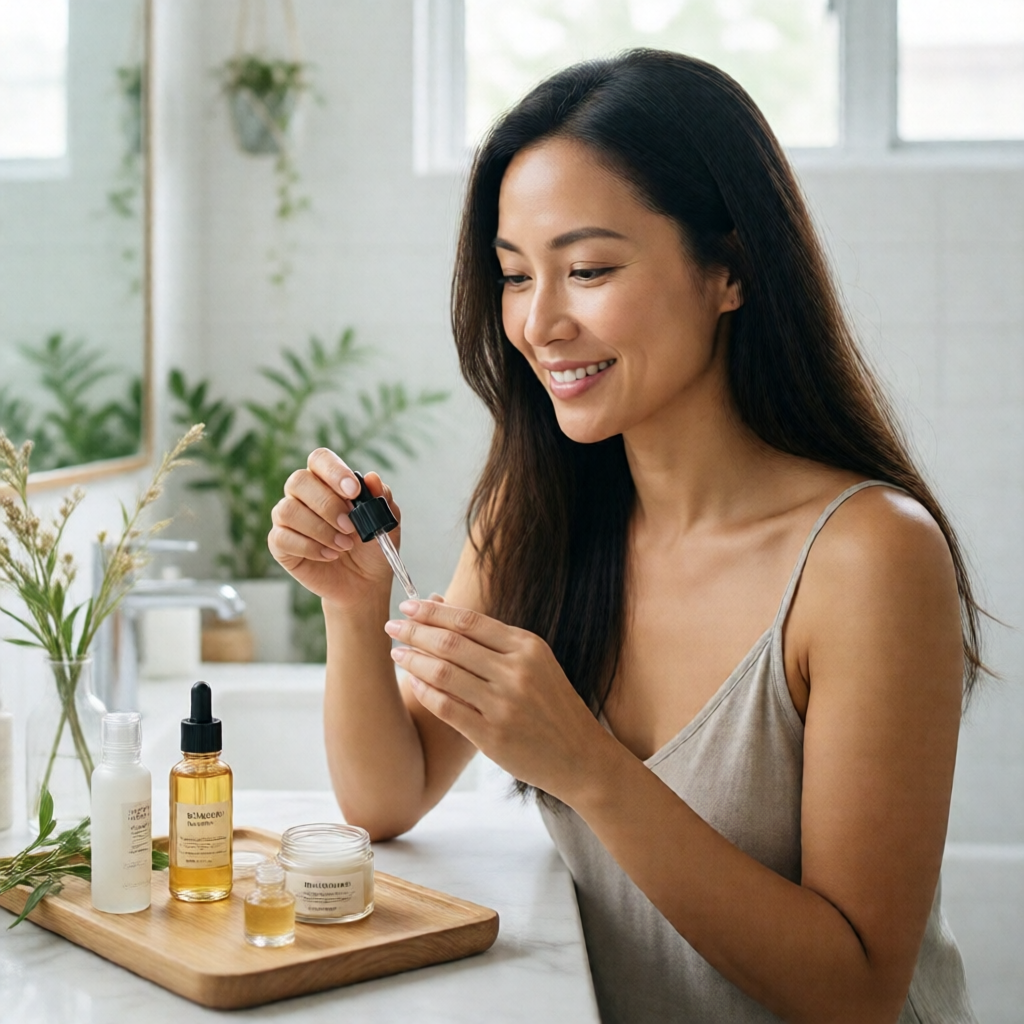
Rosacea is one of the most misunderstood skin conditions. Often mistaken for simple sensitivity or acne, it is actually a chronic inflammatory disorder that affects over 16 million Americans and millions more worldwide . It manifests as persistent facial redness, visible blood vessels, flushing, and sometimes acne-like bumps that can make even the most confident person self-conscious. For those living in Singapore’s tropical climate—where heat, humidity, and sun exposure are constant triggers—managing rosacea requires a strategy that is as gentle as it is effective. Organic skincare offers precisely that: a pathway to calmer, more comfortable skin without the harsh chemicals that often worsen the condition.

Rosacea and Organic Skincare: A Gentle Approach to Redness Relief

Understanding Rosacea’s Triggers

Rosacea does not follow a one-size-fits-all pattern. Triggers vary from person to person, but common culprits include sun exposure, heat, spicy foods, alcohol, stress, and—critically—irritating skincare ingredients . Synthetic fragrances, alcohol-based toners, harsh sulfates, and abrasive exfoliants can all provoke flare-ups, leaving skin more inflamed than before. This is why the first rule of rosacea management is elimination: removing potential irritants before adding anything new.

For many rosacea sufferers, the journey to clearer skin begins with simplifying the routine. A gentle cleanser, a soothing moisturizer, and mineral sunscreen form the foundation. From there, carefully chosen organic botanicals can address inflammation, strengthen the compromised barrier, and gradually reduce visible redness .

The Most Effective Organic Ingredients for Rosacea

Not all natural ingredients are suitable for rosacea-prone skin. The ideal botanicals are those with proven anti-inflammatory, barrier-repairing, and calming properties—delivered without essential oils or compounds that might trigger sensitivity.

Chamomile: The Calming Champion

Chamomile is one of the most researched botanicals for inflammatory skin conditions. Its active compounds, including azulene and alpha-bisabolol, calm irritated skin and reduce redness at the cellular level . Recent studies have shown that topical application of chamomile can be beneficial for atopic dermatitis and skin irritation, with symptoms such as itching, erythema, and scaling significantly reduced .

For rosacea sufferers, chamomile offers dual benefits: it soothes active flare-ups and helps prevent future irritation. Organic chamomile water, obtained by steam distillation of fresh flowers, can be used as a gentle toner or compress. It is even safe enough for the eye area, making it ideal for the delicate skin where rosacea often appears .

Green Tea: Antioxidant Protection

Green tea is exceptionally rich in polyphenols, particularly epigallocatechin gallate (EGCG), which provides powerful anti-inflammatory and antioxidant benefits . For rosacea-prone skin, green tea extract helps reduce redness and irritation while shielding the skin from environmental damage. Its soothing properties make it an excellent addition to toners, serums, and moisturizers designed for sensitive complexions .

Consuming green tea also offers systemic benefits, supporting overall skin health from within. The anti-inflammatory effects work both topically and internally, making green tea a holistic ally in rosacea management.

Aloe Vera: Cooling Hydration

Pure aloe vera gel is a cornerstone of natural rosacea care. Its anti-inflammatory properties help soothe skin and reduce visible redness, while its lightweight hydration does not block pores . The key is choosing 100 percent organic aloe vera gel without added preservatives, fragrances, or alcohol—all of which can further irritate sensitive skin.

For immediate relief during a flare-up, refrigerate aloe vera gel before application. The cooling sensation helps constrict blood vessels and reduce the heat and swelling associated with rosacea episodes .

Licorice Root: The Redness Reducer

Licorice root contains glabridin, a compound that inhibits melanin production and visibly diminishes redness over time . It is one of the most effective natural alternatives to hydroquinone for addressing the persistent redness and uneven tone that rosacea leaves behind. In organic formulations, licorice root extract works gradually but safely, making it suitable for long-term daily use.

Colloidal Oatmeal: Barrier Repair

Colloidal oatmeal is FDA-recognized for treating inflammatory skin conditions. When finely ground, oats release avenanthramides—compounds that provide potent anti-inflammatory and moisturizing benefits . For rosacea, oatmeal soothes irritation, restores the skin’s pH balance, and creates a protective barrier that locks in moisture while keeping irritants out .

An oatmeal mask or bath soak can provide immediate relief during severe flare-ups. For daily care, organic creams containing colloidal oatmeal offer continuous barrier support without heaviness or greasiness.

Calendula: The Skin Healer

Calendula has been used for centuries to treat wounds, burns, and inflammatory skin conditions. Its anti-inflammatory and antimicrobial properties make it particularly valuable for rosacea, where compromised skin is vulnerable to secondary irritation . Organic calendula extracts, often infused into oils or incorporated into creams, support skin cell regeneration and provide gentle protection that helps prevent flare-ups from worsening.

Building a Rosacea-Friendly Organic Routine

The most effective rosacea routines are minimalist. Overloading sensitive skin with multiple products increases the risk of irritation and makes it impossible to identify what works.

Morning: Cleanse with a gentle, fragrance-free organic cleanser. Apply a chamomile or green tea toner, followed by a lightweight moisturizer containing calendula or licorice root. Finish with a mineral-based sunscreen containing zinc oxide or titanium dioxide—physical blockers that are far gentler on rosacea-prone skin than chemical sunscreens .

Evening: Cleanse gently, apply a soothing serum with aloe vera or chamomile, and seal with a richer moisturizer containing colloidal oatmeal or calendula. For active flare-ups, a thin layer of pure aloe vera gel or medical-grade honey can provide overnight healing .

Weekly: Once or twice a week, a gentle oatmeal mask or chamomile compress can provide deeper calming without the abrasion of physical scrubs or the intensity of chemical exfoliants.

What to Avoid

Rosacea-prone skin is unforgiving. Avoid these common triggers:

  • Synthetic fragrances and essential oils: Even natural scents can provoke reactions in hypersensitive skin.
  • Alcohol-based products: Toners and astringents strip the barrier and worsen redness.
  • Harsh exfoliants: Physical scrubs and strong acids damage already compromised skin.
  • Hot water: Lukewarm water is essential for cleansing without triggering flushing.
  • Chemical sunscreens: These often contain ingredients that irritate sensitive skin.

The Gut-Skin Connection

Emerging research highlights a strong link between gut health and rosacea severity. An imbalance in gut bacteria can contribute to systemic inflammation that manifests on the skin . Incorporating probiotic-rich foods like yogurt, kefir, and fermented vegetables—or a high-quality probiotic supplement—may help reduce flare-ups from the inside out . This holistic approach, combining topical organic care with internal wellness, offers the most comprehensive path to long-term relief.

Final Thoughts: Patience and Gentleness

Rosacea is not a condition that resolves overnight. It requires patience, consistency, and a willingness to treat your skin with the gentleness it demands. Organic skincare provides the tools for this journey—botanical ingredients that calm rather than conquer, nourish rather than strip, and support rather than override your skin’s natural healing processes.

In Singapore’s challenging climate, where heat and humidity are constant companions, this gentle approach is not just preferable—it is essential. The right organic routine can transform rosacea from a daily struggle into a manageable condition, allowing your natural skin to emerge calm, comfortable, and confident.

Ready to calm your rosacea-prone skin naturally? Explore our full collection of organic skincare and discover soothing formulations crafted for sensitive, reactive complexions. To make informed choices from day one, learn how to read organic skincare labels like a pro.

Filed Under: organic skincare

How to Fade Post-Acne Marks Using Only Organic Ingredients

May 16, 2026 by admin

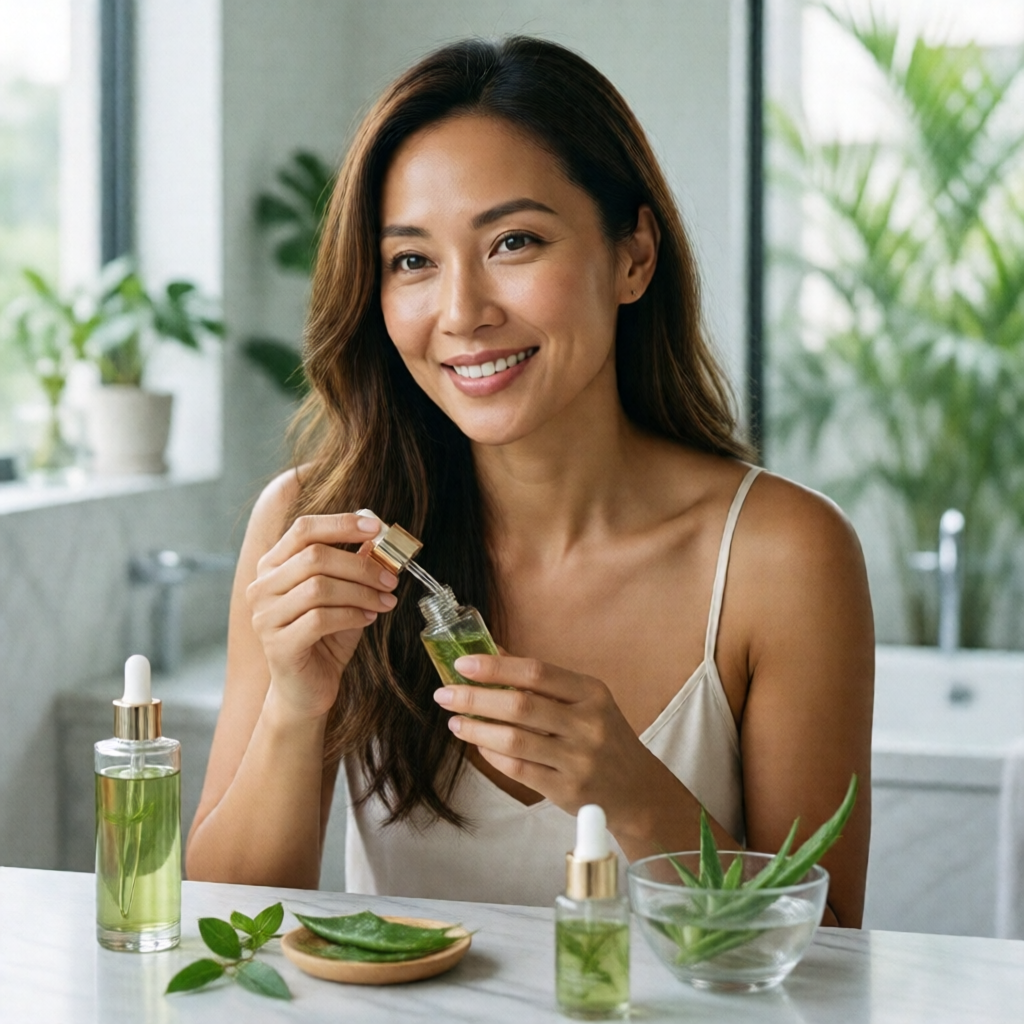
The pimple is gone, but the mark remains. Post-acne hyperpigmentation—those stubborn dark or red spots that linger long after a breakout heals—affects nearly everyone who has struggled with acne. In Singapore’s tropical climate, where UV exposure is relentless and humidity can worsen inflammation, these marks often feel like they take forever to disappear. The good news? You do not need harsh chemicals or prescription treatments to fade them. Nature provides powerful, clinically validated ingredients that can restore even tone and clarity without compromising your skin’s health.

How to Fade Post-Acne Marks Using Only Organic Ingredients

Understanding Post-Acne Marks vs. True Scars

Before treating marks, it is essential to know what you are dealing with. Post-inflammatory hyperpigmentation (PIH) is flat discoloration caused by excess melanin production during the healing process . It appears as dark brown, purple, or red patches and typically fades over time with the right care. True acne scars, by contrast, involve textural changes—indentations, raised tissue, or pitted skin—that require different interventions .

Organic ingredients excel at addressing PIH because they work by inhibiting melanin production, accelerating cell turnover, and calming inflammation at the source. For deeper scars, professional treatments may eventually be needed, but fading the discoloration is an excellent first step that organic skincare handles beautifully.

The Most Effective Organic Ingredients for Fading Marks

Vitamin C: The Brightening Powerhouse

Vitamin C is one of the most effective natural ingredients for fading dark spots. As a potent antioxidant, it neutralizes free radicals that worsen hyperpigmentation while actively inhibiting tyrosinase—the enzyme responsible for melanin production . This dual action prevents new marks from forming while lightening existing discoloration.

For organic skincare, look for stable, plant-derived forms of vitamin C such as magnesium ascorbyl phosphate or kakadu plum extract, which contains the highest known concentration of vitamin C of any fruit . Regular morning application, followed by sunscreen, creates a protective brightening routine that delivers visible results over 8 to 12 weeks.

Kojic Acid: Fermented Rice Brilliance

Kojic acid is produced during the fermentation of rice and certain fungi. It works by blocking tyrosine, the amino acid required for melanin synthesis . By interrupting this production pathway, kojic acid gradually fades dark spots and prevents new ones from developing.

In organic formulations, kojic acid derived from fermented rice is particularly valuable because it also provides gentle exfoliation, loosening dead skin cells to reveal brighter skin beneath . It pairs beautifully with vitamin C for enhanced brightening and is safe for long-term daily use.

Licorice Root Extract: Nature’s Gentle Brightener

Licorice root contains glabridin, a compound that inhibits melanin production and disperses existing pigment clusters . Unlike harsh bleaching agents, licorice root soothes while it brightens, making it ideal for sensitive, post-acne skin that may still be recovering from inflammation.

This botanical has been used in traditional Chinese medicine for centuries and is now recognized by dermatologists as one of the most effective natural alternatives to hydroquinone . Look for organic serums and creams that feature licorice extract prominently in their ingredient lists.

Niacinamide: The Barrier-Supporting Brightener

While niacinamide is technically nature-identical rather than extracted directly from plants, its compatibility with organic skincare is undeniable. This form of vitamin B3 inhibits melanin transfer to skin cells, reducing the appearance of dark spots while strengthening the skin barrier and reducing inflammation .

At concentrations of 4 to 5 percent, niacinamide significantly improves hyperpigmentation without the irritation associated with stronger actives . For acne-prone skin, it offers the added benefit of regulating oil production and minimizing pore appearance.

Azelaic Acid: The Grain-Derived Multi-Tasker

Azelaic acid is naturally derived from grains like barley, wheat, and rye. It possesses both anti-inflammatory and antimicrobial properties that calm active breakouts while fading the marks they leave behind . As a natural botanical brightener, it addresses uneven skin tone and dark spots with a gentleness that makes it suitable even for sensitive skin and safe during pregnancy .

Rosehip Seed Oil: Regeneration from Nature

Rosehip seed oil is believed to be one of the most effective natural remedies for reducing acne scars and treating pigmentation . Rich in natural vitamin A compounds and essential fatty acids, it encourages cell turnover and collagen production, gradually smoothing texture and fading discoloration. Applied twice daily and massaged into affected areas, it supports the skin’s natural healing process without the harshness of synthetic retinoids .

Aloe Vera: Soothing Healing

Pure aloe vera gel contains aloin and aloesin, natural depigmenting compounds that can lighten skin and help treat hyperpigmentation . Its anti-inflammatory properties calm residual redness from recent breakouts, while its healing compounds support faster skin repair. For best results, apply pure aloe vera gel to pigmented areas before bedtime and rinse in the morning, repeating daily until skin tone evens out .

Building Your Organic Mark-Fading Routine

An effective organic approach to post-acne marks requires consistency, layering, and sun protection. Here is a framework:

Morning: Cleanse gently, apply a vitamin C serum or licorice root extract treatment, follow with niacinamide if using, moisturize, and finish with broad-spectrum SPF 30 or higher. Sunscreen is non-negotiable—UV exposure darkens PIH and undoes weeks of progress .

Evening: Cleanse, apply a kojic acid or azelaic acid treatment, follow with rosehip seed oil or a nourishing organic moisturizer. For enhanced regeneration, consider an aloe vera application before bed.

Weekly: Incorporate a gentle enzyme exfoliation using papaya or pineapple-derived enzymes to accelerate cell turnover without the irritation of physical scrubs.

Setting Realistic Expectations

Organic ingredients work with your skin’s natural renewal cycle, which takes approximately 28 days. Fading post-acne marks is not an overnight process—most people see noticeable improvement after 6 to 12 weeks of consistent use . The deeper or older the mark, the longer it takes. Patience and persistence are your greatest allies.

For marks that persist beyond six months of dedicated organic care, or for true acne scars involving texture changes, professional treatments such as microneedling or chemical peels may be worth considering as complementary options .

Final Thoughts: Nature’s Patience, Nature’s Results

Post-acne marks can feel like a cruel reminder of breakouts you thought were behind you. But with the right organic ingredients and a consistent approach, they do fade. Vitamin C brightens, kojic acid inhibits, licorice soothes, niacinamide supports, azelaic acid clarifies, rosehip regenerates, and aloe heals. Together, these botanical allies offer a comprehensive, gentle pathway to the clear, even-toned skin you deserve.

In Singapore’s challenging tropical climate, where the sun constantly tests your skin’s resilience, this organic approach is not just effective—it is sustainable. No harsh chemicals, no compromised barriers, just nature working in harmony with your skin.

Ready to fade your post-acne marks naturally? Explore our full collection of organic skincare and discover brightening formulations crafted for clear, radiant skin. To make informed choices from day one, learn how to read organic skincare labels like a pro.

Filed Under: organic skincare

Organic Solutions for Eczema-Prone Skin: Calming Flare-Ups Naturally

May 11, 2026 by admin

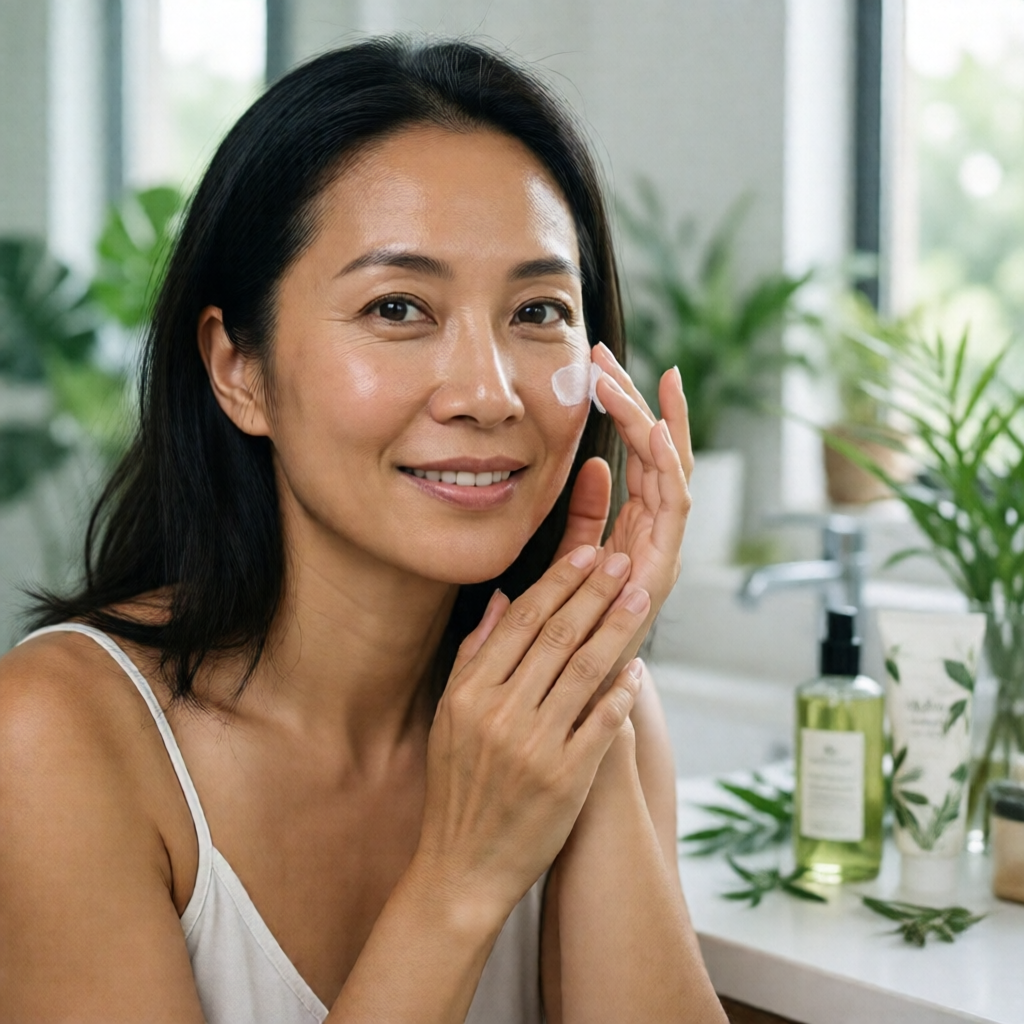
Eczema is more than dry skin. It is a chronic inflammatory condition that affects over 30 million Americans, causing relentless itching, redness, cracking, and discomfort that can disrupt sleep, confidence, and daily life . For those who have cycled through steroid creams, prescription ointments, and harsh medicated washes with limited success, organic skincare offers a gentler path—one that works with your skin’s biology rather than against it. The right natural ingredients can calm inflammation, restore the damaged barrier, and provide relief without the side effects that often accompany conventional treatments.

Organic Solutions for Eczema-Prone Skin: Calming Flare-Ups Naturally

Understanding Eczema from an Organic Perspective

At its core, eczema is a barrier disorder. The skin’s protective outer layer becomes compromised, allowing moisture to escape and irritants to penetrate. This triggers an immune response—inflammation, redness, and the infamous itch-scratch cycle that only makes things worse. Conventional treatments often focus on suppressing inflammation with steroids, which can thin the skin and cause rebound flare-ups over time .

Organic skincare takes a fundamentally different approach. Instead of suppressing symptoms, it addresses the root causes: barrier weakness, inflammation, microbial imbalance, and dehydration. By using ingredients that naturally support skin repair, organic formulations can reduce flare-up frequency and severity while nurturing long-term resilience .

The Most Effective Organic Ingredients for Eczema

Not all natural ingredients are equal when it comes to eczema. The most effective botanicals share specific properties: anti-inflammatory action, barrier-supporting lipids, antimicrobial protection, and deep hydration without irritation.

Colloidal Oatmeal: The Gold Standard

Colloidal oatmeal is one of the few natural ingredients with FDA recognition for treating eczema. When oats are ground into a fine powder, they release compounds called avenanthramides that provide potent anti-inflammatory and moisturizing benefits . These compounds reduce itching and irritation during flare-ups while restoring the skin’s pH balance and creating a protective barrier that locks in moisture .

Organic colloidal oatmeal appears in creams, bath soaks, and even mineral sunscreens designed for the most sensitive skin . For immediate relief, an oatmeal bath—soaking in lukewarm water with finely ground oats for 10 to 15 minutes—can calm angry skin and break the itch-scratch cycle .

Calendula: Nature’s Skin Healer

Calendula, or marigold, has been used for centuries in traditional medicine to treat wounds, burns, and inflammatory skin conditions. Its anti-inflammatory properties make it particularly valuable for eczema, where calming redness and irritation is paramount . Organic calendula extracts, often infused into oils or incorporated into creams, support skin cell regeneration and provide gentle antimicrobial protection that helps prevent secondary infections in cracked, compromised skin .

Chamomile: Gentle Power

Chamomile is the most commonly used medicinal plant for skin conditions, prized for its remarkable anti-inflammatory and anti-itch properties . In traditional Chinese medicine, it has long been employed to treat eczema, bacterial infections, and diaper rash. Research suggests that topical chamomile cream can be approximately 60 percent as effective as 0.25 percent hydrocortisone cream for reducing eczema inflammation—without the side effects associated with steroid use .

For those seeking a natural alternative to hydrocortisone, chamomile offers compelling promise. Its cooling, soothing action makes it ideal for inflamed, overheated skin, particularly in Singapore’s humid climate where sweat and heat can trigger flare-ups .

Coconut Oil: Barrier Repair from Nature

Virgin coconut oil contains lauric acid, a fatty acid with both antimicrobial and anti-inflammatory properties that benefit eczema management . Its molecular structure allows it to penetrate the skin effectively while creating a protective layer that prevents moisture loss and bacterial overgrowth. Applied to slightly damp skin after bathing, organic coconut oil maximizes absorption and hydration benefits .

However, coconut oil is not universally tolerated. Some individuals with eczema may be sensitive to it, which underscores the importance of patch testing any new ingredient—even one as natural as coconut oil .

Aloe Vera: Cooling Relief

Pure aloe vera gel provides immediate cooling, anti-inflammatory relief that calms active eczema flare-ups and reduces redness and itching . The key is choosing 100 percent pure aloe vera gel without added fragrances, colors, or alcohol—all of which can further irritate sensitive eczema-prone skin. For enhanced relief during uncomfortable flare-ups, store the gel in the refrigerator before application .

Honey: The Healing Agent

Medical-grade Manuka honey has demonstrated significant antimicrobial and anti-inflammatory properties that make it valuable for treating eczema-related skin damage and preventing secondary infections . Its unique compounds speed wound healing while providing gentle moisture to damaged areas. Applied as a thin layer to clean, affected areas and covered with a sterile bandage for several hours or overnight, honey treatments can reduce flare-up severity and promote faster healing of cracked skin .

Building an Organic Eczema Routine

An effective organic approach to eczema is layered, addressing immediate symptoms while rebuilding long-term skin health.

Cleanse gently. Use a fragrance-free, pH-balanced organic cleanser with calming ingredients like colloidal oatmeal or chamomile. Avoid hot water, which strips natural oils and worsens dryness.

Moisturize immediately. Apply a rich, organic cream or balm within three minutes of bathing while skin is still damp. Look for formulations containing colloidal oatmeal, shea butter, calendula, and ceramide-supporting oils .

Treat flare-ups. During active outbreaks, use targeted organic treatments with higher concentrations of anti-inflammatory botanicals. Chamomile compresses, calendula balms, and medical-grade honey applications can provide focused relief .

Support from within. Emerging research suggests that gut health plays a significant role in eczema severity, with many sufferers showing imbalances in their intestinal microbiome . Probiotic supplements and omega fatty acids from evening primrose or fish oil may help modulate immune responses and reduce flare-up frequency over time .

Manage triggers. Stress, poor sleep, and environmental irritants significantly worsen eczema symptoms . Incorporate stress-reduction techniques, maintain a cool sleeping environment, and choose gentle, fragrance-free bedding to support both sleep quality and skin health.

The Prebiotic Revolution

One of the most exciting developments in organic eczema care is prebiotic skincare. Formulations containing live algae extracts and specific probiotic strains can strengthen the skin barrier by naturally stimulating hyaluronic acid production and balancing the skin’s microbiome . These microbiome-friendly products feed beneficial skin bacteria, creating an environment where harmful microbes struggle to thrive. For eczema sufferers, whose skin microbiome is often disrupted, this approach addresses a root cause rather than merely masking symptoms .

When to Seek Professional Guidance

While organic solutions offer powerful support for eczema, they work best as part of a comprehensive approach. Severe or persistent eczema may require medical intervention alongside natural care. A dermatologist can help identify specific triggers, prescribe appropriate treatments when necessary, and guide you in integrating organic skincare safely into your regimen .

The goal is not to replace medical care but to complement it—using organic ingredients to reduce reliance on steroids, minimize side effects, and build the skin’s natural resilience over time.

Final Thoughts: Healing with Intention

Eczema demands patience, consistency, and a willingness to treat your skin with the gentleness it deserves. Organic skincare offers a pathway to relief that honors your skin’s biology, using nature’s most trusted healers to calm inflammation, repair the barrier, and restore comfort. In Singapore’s challenging tropical climate, where heat, humidity, and air conditioning create constant stress for sensitive skin, this gentle, intentional approach is not just preferable—it is essential.

Ready to calm your eczema-prone skin naturally? Explore our full collection of organic skincare and discover soothing formulations crafted for sensitive, reactive skin. To make informed choices from day one, learn how to read organic skincare labels like a pro.

Filed Under: organic skincare

  • Page 1
  • Page 2
  • Page 3
  • Interim pages omitted …
  • Page 16
  • Go to Next Page »

Pureté offers a luxurious experience that nurtures and enhances your skin’s natural radiance.

Useful Links

Privacy Policy
Terms of Service
Shipping & Delivery
FAQs
Disclaimers

Our Products

1. Cleanser
2. Serum
3. Day Cream
4. Toner

©2025. Pureté All Rights Reserved.