• Skip to primary navigation
  • Skip to main content
  • HOME
  • SHOP
    • Cleanser
    • Serum
    • Day Cream
    • Toner
  • OUR STORY
  • BLOG
  • HOME
  • SHOP
    • Cleanser
    • Serum
    • Day Cream
    • Toner
  • OUR STORY
  • BLOG

organic skincare

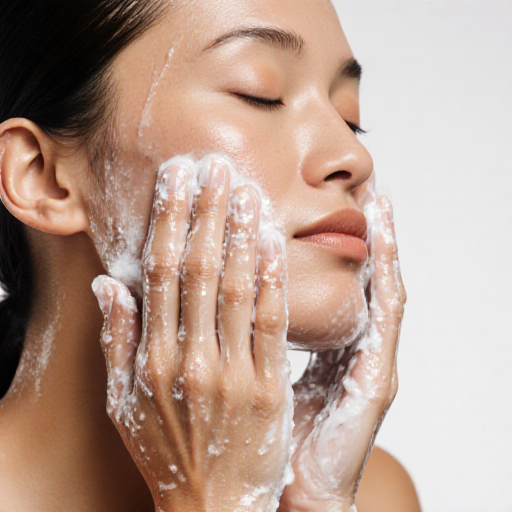
How to Safely Introduce Teens to Natural Skincare Products

December 24, 2025 by admin

Teenage skin goes through significant changes due to hormones, lifestyle habits, and environmental exposure. Oil production increases, pores clog more easily, and sensitivity can become an issue—especially when harsh products are introduced too early. This is why starting with gentle, well-formulated skincare is essential. Natural skincare products can be a safe and effective way to help teens build healthy skin habits without causing long-term damage.

How to Safely Introduce Teens to Natural Skincare Products

This guide explains how parents and teens can approach skincare safely, what to look for in products, and how to create a simple routine that supports growing skin.


Table of Contents

  1. Understanding Teenage Skin
  2. Why Less Is More for Teens
  3. Why Natural Skincare Is a Safer Choice
  4. Ingredients Teens Should Look For
  5. Ingredients Teens Should Avoid
  6. A Simple Skincare Routine for Teens
  7. Teaching Healthy Skincare Habits
  8. Final Thoughts

1. Understanding Teenage Skin

During puberty, hormonal fluctuations stimulate oil glands, often leading to:

  • Oily or combination skin
  • Blackheads and whiteheads
  • Occasional acne breakouts
  • Increased sensitivity

Teen skin is still developing, which makes it more vulnerable to irritation. Using overly strong cleansers or treatments can strip the skin barrier and worsen problems instead of solving them.


2. Why Less Is More for Teens

Many teens are tempted to use multiple products, strong exfoliants, or drying acne treatments. This often leads to:

  • Over-drying
  • Redness and irritation
  • Rebound oil production
  • Long-term sensitivity

A minimal routine helps maintain the skin’s natural balance and prevents unnecessary stress on young skin.


3. Why Natural Skincare Is a Safer Choice

Natural skincare products are typically formulated with gentle, plant-based ingredients that work in harmony with the skin rather than forcing rapid changes. For teens, this means:

  • Lower risk of irritation
  • Support for the natural skin barrier
  • Reduced exposure to harsh synthetic chemicals
  • Better long-term skin health

Starting with natural skincare allows teens to care for their skin gently while building sustainable habits they can maintain into adulthood.


4. Ingredients Teens Should Look For

When choosing skincare products for teens, look for calming and balancing ingredients such as:

  • Aloe vera: Soothes irritation and hydrates
  • Chamomile: Calms redness and sensitivity
  • Green tea extract: Helps control oil and reduces inflammation
  • Jojoba oil: Mimics natural sebum and balances oil production
  • Glycerin: Provides lightweight hydration without clogging pores

These ingredients support skin health without overwhelming it.


5. Ingredients Teens Should Avoid

Certain ingredients may be too harsh for teenage skin, especially when used frequently:

  • High concentrations of alcohol
  • Strong chemical exfoliants used daily
  • Artificial fragrances and dyes
  • Overly aggressive acne treatments

Avoiding these helps protect the skin barrier and reduces the risk of chronic sensitivity.


6. A Simple Skincare Routine for Teens

A basic routine is often all that teen skin needs:

Morning:

  1. Gentle cleanser
  2. Lightweight moisturizer
  3. Sunscreen for outdoor exposure

Evening:

  1. Cleanser to remove dirt and oil
  2. Moisturizer to support overnight repair

This simple approach is easy to maintain and effective for most teens.


7. Teaching Healthy Skincare Habits

Beyond products, good habits play a major role in skin health:

  • Avoid touching or picking at the face
  • Cleanse after sweating
  • Stay hydrated
  • Maintain a balanced diet
  • Be patient—results take time

Helping teens understand consistency and gentleness sets them up for healthier skin in the long run.


8. Final Thoughts

Introducing skincare during the teenage years is not about perfection—it’s about protection, balance, and education. By choosing gentle products and focusing on simplicity, teens can manage common skin concerns without compromising their skin’s future health.

Starting with natural, thoughtfully formulated products encourages confidence, responsibility, and a positive relationship with skincare that can last a lifetime.

Related Articles:

  1. Organic Skincare for Sensitive Skin: Gentle Solutions Backed by Nature
  2. The Science Behind Organic Skincare: How Plant-Based Ingredients Work with Your Skin
  3. Common Mistakes to Avoid When Switching to Organic Skincare Products
  4. The Environmental Impact of Organic Skincare: Sustainable Beauty Practices You Can Adopt
Filed Under: organic skincare

The Role of Antioxidants in Natural Skincare: Protecting Your Skin from Pollution

December 19, 2025 by admin

Modern urban living exposes our skin to constant environmental stress. Air pollution, UV radiation, and free radicals generated by daily exposure to traffic fumes, smoke, and industrial particles can accelerate skin aging and trigger sensitivity. Antioxidants play a crucial role in defending the skin against this damage, making them an essential component of any effective natural skincare routine.

The Role of Antioxidants in Natural Skincare: Protecting Your Skin from Pollution

This article explores how antioxidants work, why they matter, and how they help protect your skin from pollution-related damage.


Table of Contents

  1. What Are Antioxidants?
  2. How Pollution Affects Your Skin
  3. How Antioxidants Protect the Skin
  4. Key Antioxidants Used in Natural Skincare
  5. Benefits of Antioxidants for Different Skin Types
  6. How to Incorporate Antioxidants into Your Routine
  7. Common Myths About Antioxidants
  8. Final Thoughts

1. What Are Antioxidants?

Antioxidants are compounds that neutralize free radicals—unstable molecules that damage skin cells and accelerate aging. Free radicals are produced naturally in the body but increase significantly when skin is exposed to pollution, UV rays, and environmental toxins.

When left unchecked, free radicals can break down collagen, weaken the skin barrier, and lead to premature wrinkles, dullness, and sensitivity.


2. How Pollution Affects Your Skin

Urban pollution affects skin in several ways:

  • Weakens the skin’s protective barrier
  • Increases inflammation and redness
  • Triggers breakouts and clogged pores
  • Accelerates fine lines and uneven skin tone

Pollutants can penetrate the skin, causing oxidative stress that overwhelms its natural defense mechanisms. Over time, this damage becomes visible as premature aging and chronic sensitivity.


3. How Antioxidants Protect the Skin

Antioxidants work by stabilizing free radicals before they damage healthy skin cells. In skincare, they provide several protective benefits:

  • Neutralize pollution-induced oxidative stress
  • Strengthen the skin barrier
  • Support collagen production
  • Reduce inflammation and redness

By incorporating antioxidants into your routine, you help your skin defend itself against daily environmental exposure.


4. Key Antioxidants Used in Natural Skincare

Many powerful antioxidants are naturally derived from plants and botanicals. Common examples include:

  • Vitamin C: Brightens skin and supports collagen synthesis
  • Vitamin E: Strengthens the skin barrier and improves hydration
  • Green Tea Extract: Calms inflammation and neutralizes pollution damage
  • Rosehip Oil: Rich in antioxidants and essential fatty acids
  • Resveratrol: Protects against oxidative stress and supports skin repair

These ingredients are commonly found in high-quality natural skincare formulations because they are effective yet gentle.


5. Benefits of Antioxidants for Different Skin Types

Antioxidants benefit all skin types when used correctly:

  • Sensitive skin: Helps reduce inflammation and environmental irritation
  • Oily or acne-prone skin: Protects without clogging pores and reduces oxidative stress that worsens breakouts
  • Dry skin: Supports barrier repair and moisture retention
  • Mature skin: Slows collagen breakdown and improves elasticity

Because antioxidants focus on protection rather than aggressive treatment, they are suitable for long-term daily use.


6. How to Incorporate Antioxidants into Your Routine

A simple routine can effectively deliver antioxidant protection:

Morning:

  1. Gentle cleanser
  2. Antioxidant-rich serum or moisturizer
  3. Mineral sunscreen to enhance protection

Evening:

  1. Cleanse to remove pollutants
  2. Apply nourishing antioxidant treatment
  3. Moisturize to support overnight repair

Consistency is key—daily use allows antioxidants to build resilience in the skin over time.


7. Common Myths About Antioxidants

  • “Antioxidants replace sunscreen.” False—antioxidants complement but do not replace sun protection.
  • “More is better.” Overloading products can irritate skin; balance is essential.
  • “Only mature skin needs antioxidants.” Pollution affects all ages, making antioxidants beneficial for everyone.

Understanding these myths helps you use antioxidants effectively without unnecessary expectations.


8. Final Thoughts

In today’s polluted environments, antioxidants are no longer optional—they are essential. They protect the skin from invisible daily damage, support long-term skin health, and help maintain a youthful, balanced complexion.

Incorporating antioxidant-rich organic skincare into your daily routine allows your skin to defend itself naturally against pollution while staying calm, resilient, and healthy over time.

Related Articles:

  1. How to Customize Your Organic Skincare Routine for Different Skin Types in Singapore
  2. Organic Skincare for Mature Skin: Nature’s Answer to Firmness and Elasticity
  3. DIY Organic Skincare Recipes: Simple and Effective Treatments You Can Make at Home
  4. Why I Switched to Organic Skincare and Why You Might Want to Too

Filed Under: organic skincare

Seasonal Skincare Tips: Adapting Your Routine with Natural Skincare Products

December 14, 2025 by admin

Your skin’s needs change with the seasons, influenced by shifts in temperature, humidity, and environmental exposure. What works perfectly during one time of the year may cause dryness, breakouts, or irritation in another. Adapting your routine seasonally is essential for maintaining healthy, balanced skin—especially when using natural skincare products that work in harmony with your skin’s natural functions.

Seasonal Skincare Tips: Adapting Your Routine with Natural Skincare Products

This guide explains how to adjust your skincare routine throughout the year using gentle, effective natural solutions.


Table of Contents

  1. Why Seasonal Skincare Matters
  2. Understanding How Weather Affects Your Skin
  3. Skincare Tips for Hot and Humid Seasons
  4. Skincare Tips for Dry or Cooler Periods
  5. Transitioning Between Seasons Smoothly
  6. Ingredients That Work Year-Round
  7. Common Seasonal Skincare Mistakes
  8. Final Thoughts

1. Why Seasonal Skincare Matters

Your skin is a living organ that responds directly to environmental changes. Temperature shifts, humidity levels, air conditioning, sun exposure, and pollution all affect oil production, hydration, and barrier strength. Ignoring these changes can lead to clogged pores, sensitivity, dehydration, or dullness.

Seasonal skincare is about listening to your skin and adjusting products and textures to maintain balance and resilience.


2. Understanding How Weather Affects Your Skin

Different climates affect skin in different ways:

  • Hot and humid weather: Increased oil production, sweat, and clogged pores
  • Dry or cooler conditions: Moisture loss, tightness, flaking, and sensitivity
  • Air-conditioned environments: Dehydration and weakened skin barrier
  • High sun exposure: Increased risk of pigmentation and premature aging

Recognizing these effects allows you to make proactive adjustments to your routine.


3. Skincare Tips for Hot and Humid Seasons

In warm, humid conditions, skin tends to produce more oil. The goal is to keep skin clean, hydrated, and protected without clogging pores.

Key tips include:

  • Use lightweight, gel-based cleansers to remove sweat and excess oil
  • Opt for water-based or light botanical moisturizers
  • Avoid heavy creams that can feel greasy in humidity
  • Apply mineral sunscreen daily to protect against UV damage

Natural skincare products with ingredients like aloe vera, green tea, and witch hazel help soothe and balance the skin without stripping it.


4. Skincare Tips for Dry or Cooler Periods

When the air becomes drier or cooler, skin loses moisture more easily. During these periods, focus on nourishment and barrier repair.

Recommended adjustments:

  • Switch to creamier, gentler cleansers
  • Use richer moisturizers with natural oils or butters
  • Add a hydrating serum to support moisture retention
  • Reduce over-exfoliation, which can worsen dryness

Botanical oils, shea butter, and plant-derived ceramides are especially beneficial during dry seasons.


5. Transitioning Between Seasons Smoothly

Seasonal changes don’t happen overnight, and your skincare routine shouldn’t change abruptly either. Gradual transitions help prevent irritation.

Start by:

  • Adjusting product textures slowly
  • Monitoring how your skin reacts week by week
  • Introducing one new product at a time

This mindful approach helps your skin adapt naturally without unnecessary stress.


6. Ingredients That Work Year-Round

Some natural ingredients provide benefits regardless of season, including:

  • Aloe vera: Hydrates and soothes in all climates
  • Jojoba oil: Balances oil production without clogging pores
  • Chamomile and calendula: Calm inflammation and sensitivity
  • Antioxidants: Protect against pollution and environmental damage

These ingredients form the foundation of a flexible, season-proof routine.


7. Common Seasonal Skincare Mistakes

Avoid these common errors:

  • Using the same heavy products year-round
  • Over-cleansing during humid seasons
  • Skipping sunscreen on cloudy days
  • Ignoring signs of dehydration or irritation

Seasonal skincare is not about constant product switching, but about making thoughtful, informed adjustments.


8. Final Thoughts

Adapting your skincare routine to seasonal changes is essential for maintaining healthy, glowing skin throughout the year. By choosing gentle, adaptable products and paying attention to how your skin responds, you can prevent common seasonal issues before they start.

Using well-formulated natural skincare products allows your skin to adjust smoothly to environmental changes while staying nourished, protected, and balanced—no matter the season.

Related Articles:

  1. The Hidden Link Between Gut Health and Glowing Skin: How Organic Skincare Completes the Cycle
  2. DIY Organic Skincare: Safe Recipes You Can Try at Home
  3. Going Organic with My Skincare: What I Got Right and Totally Wrong
  4. Rethinking Beauty: Transitioning to Organic Skincare and Dispelling the Myths

Filed Under: organic skincare

Understanding Organic vs Natural Skincare: What Your Skin Really Needs

December 11, 2025 by admin

With the rise of conscious beauty choices, many people are trying to navigate the world of skincare labels. Terms like “organic,” “natural,” and “chemical-free” are often used interchangeably, but they don’t always mean the same thing. Understanding the difference is key to making informed decisions that benefit your skin, especially if you want a gentle yet effective routine.

This article explains the distinctions between organic and natural skincare and how you can choose the right products for your skin type.


Table of Contents

  1. What Is Natural Skincare?
  2. What Is Organic Skincare?
  3. Key Differences Between Natural and Organic Products
  4. Benefits of Using Natural Skincare
  5. How to Choose the Right Products
  6. Ingredients to Look For and Avoid
  7. Building a Simple Skincare Routine
  8. Final Thoughts

1. What Is Natural Skincare?

Natural skincare focuses on using ingredients derived from plants, minerals, and other naturally occurring sources. These products aim to minimize synthetic chemicals, fragrances, and preservatives.

Benefits of natural skincare include:

  • Gentle care suitable for sensitive skin
  • Reduced risk of irritation from harsh chemicals
  • Environmentally friendly production methods

It’s important to note that “natural” does not automatically mean chemical-free. Natural products can still include processed ingredients for stability or preservation.


2. What Is Organic Skincare?

Organic skincare goes a step further by using ingredients that are cultivated without synthetic pesticides, herbicides, or fertilizers. Certified organic products are often regulated and verified by recognized organizations.

Benefits of organic skincare include:

  • Higher concentration of plant-based nutrients
  • Minimal chemical exposure
  • Support for sustainable farming practices

Organic products are generally more controlled in terms of ingredient sourcing, making them ideal for those seeking purity and sustainability in their routine.


3. Key Differences Between Natural and Organic Products

FeatureNatural SkincareOrganic Skincare
Ingredient sourceDerived from natureDerived from certified organic farming
Chemical exposureMay include some processed or synthetic ingredientsMinimal synthetic exposure
CertificationOften not certifiedUsually certified by recognized organic standards
Environmental impactVariableGenerally more sustainable

Understanding these distinctions helps you decide which option aligns best with your skin needs and values.


4. Benefits of Using Natural Skincare

Switching to natural skincare offers multiple advantages:

  • Supports skin barrier health
  • Reduces exposure to potentially irritating synthetic chemicals
  • Provides gentle hydration and nourishment
  • Encourages eco-conscious consumption

Using natural products consistently allows your skin to function optimally without overloading it with unnecessary chemicals.


5. How to Choose the Right Products

When selecting skincare products, consider:

  • Your skin type: oily, dry, combination, or sensitive
  • Your skin concerns: acne, aging, pigmentation, or sensitivity
  • Ingredient transparency: check labels for recognizable plant-based ingredients
  • Certifications: look for trusted organic or natural certifications

Choosing high-quality products from reputable brands ensures your routine is both safe and effective.


6. Ingredients to Look For and Avoid

Look for:

  • Aloe vera, chamomile, calendula for soothing effects
  • Jojoba oil, shea butter, and squalane for hydration
  • Antioxidant-rich botanicals like green tea and vitamin C

Avoid:

  • Synthetic fragrances and dyes
  • Harsh preservatives like parabens and formaldehyde releasers
  • Sulfates and alcohols that can strip natural oils

A simple ingredient check can prevent irritation and promote healthy skin over time.


7. Building a Simple Skincare Routine

A minimalistic natural or organic routine may include:

Morning:

  1. Gentle plant-based cleanser
  2. Lightweight natural moisturizer
  3. Mineral sunscreen

Evening:

  1. Cleanser to remove impurities
  2. Nourishing natural serum or moisturizer

Consistency matters more than the number of products, and a simple routine often yields the best results.


8. Final Thoughts

Both natural and organic skincare offer significant benefits, particularly for sensitive or environmentally conscious consumers. While natural skincare emphasizes gentle, plant-derived ingredients, organic skincare focuses on certified, sustainably sourced products with minimal chemical exposure.

For those starting their journey, using trusted natural skincare ensures that your skin receives safe, effective, and nourishing care while aligning with sustainable beauty practices. Choosing products wisely allows your skin to thrive naturally without unnecessary irritation or complexity.

Related Articles:

  1. Organic Skincare for Acne-Prone Skin: Natural Solutions That Really Work
  2. Morning vs Night Organic Skincare Routine: What Your Skin Really Needs at Different Times of Day
  3. What Makes Skincare Truly Organic? How to Read Product Labels Like a Pro
  4. Seasonal Skincare Tips: Adapting Your Organic Routine for Humid and Dry Climates

Filed Under: organic skincare

The Benefits of Switching to Natural Skincare for Sensitive Skin

December 7, 2025 by admin

Sensitive skin can be challenging to care for. Redness, irritation, breakouts, and dryness often arise when the skin reacts negatively to harsh chemicals, synthetic fragrances, or over-formulated products. Switching to natural skincare offers a gentle, effective, and safer alternative for those struggling with sensitive skin. By using plant-based, minimal-ingredient products, you can reduce irritation while supporting your skin’s natural barrier.

The Benefits of Switching to Natural Skincare for Sensitive Skin

Table of Contents

  1. Understanding Sensitive Skin
  2. Why Conventional Products Can Trigger Reactions
  3. How Natural Skincare Helps
  4. Key Ingredients to Look For
  5. Building a Sensitive Skin-Friendly Routine
  6. Long-Term Benefits of Natural Skincare
  7. Common Mistakes to Avoid
  8. Final Thoughts

1. Understanding Sensitive Skin

Sensitive skin is characterized by an exaggerated response to external triggers. Common signs include:

  • Redness and flushing
  • Itching or burning sensations
  • Dryness or tightness
  • Increased susceptibility to breakouts

These reactions are often due to a compromised skin barrier, which allows irritants to penetrate more easily. Addressing sensitive skin requires gentle care and products that minimize chemical exposure.


2. Why Conventional Products Can Trigger Reactions

Many conventional skincare products contain synthetic fragrances, harsh preservatives, alcohol, or sulfates. While these ingredients can enhance texture or shelf-life, they often irritate sensitive skin. Even mild cleansers or moisturizers may cause redness, dryness, or stinging in reactive skin types.

Switching to natural skincare removes many common irritants and focuses on ingredients that support skin health rather than compromise it.


3. How Natural Skincare Helps

Natural skincare works by harnessing the power of botanicals, oils, and plant extracts. Benefits for sensitive skin include:

  • Gentle cleansing: Plant-based cleansers remove impurities without stripping natural oils.
  • Barrier support: Natural oils and butters help strengthen the skin’s protective barrier.
  • Reduced inflammation: Ingredients like chamomile, aloe vera, and calendula calm redness and irritation.
  • Hydration and nourishment: Nutrient-rich botanicals provide hydration and essential fatty acids without harsh chemicals.

By prioritizing natural ingredients, sensitive skin can become less reactive over time.


4. Key Ingredients to Look For

When selecting products for sensitive skin, look for these natural ingredients:

  • Aloe Vera: Soothes and hydrates irritated skin.
  • Chamomile: Anti-inflammatory and calming.
  • Calendula: Promotes healing and reduces redness.
  • Jojoba Oil: Balances natural oils without clogging pores.
  • Shea Butter: Provides deep hydration and barrier support.

Avoid unnecessary additives, synthetic fragrances, and strong preservatives that could compromise sensitive skin.


5. Building a Sensitive Skin-Friendly Routine

A minimalist, gentle routine is ideal for sensitive skin. A simple natural skincare regimen can include:

Morning:

  1. Gentle plant-based cleanser
  2. Lightweight natural moisturizer
  3. Mineral-based sunscreen

Evening:

  1. Cleanse to remove impurities
  2. Apply nourishing moisturizer or a soothing natural serum

Consistency and simplicity are key. Avoid over-layering products, as excessive treatments can irritate sensitive skin.


6. Long-Term Benefits of Natural Skincare

Switching to natural skincare offers benefits beyond immediate relief:

  • Reduced frequency of flare-ups and redness
  • Strengthened skin barrier over time
  • Healthier, more resilient skin that tolerates environmental stressors
  • Minimal chemical exposure, promoting overall skin health

Sensitive skin responds best to routines that are gentle, consistent, and free from unnecessary irritants.


7. Common Mistakes to Avoid

  • Switching too quickly: Introduce new natural products gradually to monitor reactions.
  • Overusing active ingredients: Even natural acids or essential oils can irritate sensitive skin if overused.
  • Neglecting sun protection: Sensitive skin is still vulnerable to UV damage, so sunscreen is essential.
  • Ignoring patch tests: Always test new products on a small area before full application.

8. Final Thoughts

For those with sensitive skin, natural skincare provides a safe, gentle, and effective approach to maintaining healthy skin. By carefully choosing plant-based products and simplifying your routine, you can reduce irritation, strengthen your skin barrier, and enjoy long-term skin health. Starting your journey with trusted natural skincare ensures your sensitive skin receives the care it deserves without unnecessary risks.

Related Articles:

  1. The Truth About Organic Sunscreens: What to Look For and What to Avoid
  2. Organic Skincare for Oily and Combination Skin: Balancing Naturally
  3. The Connection Between Sleep Quality and Skin Health: Organic Night Care Rituals That Work
  4. How Climate Change Is Shaping the Future of Organic Skincare Formulations

Filed Under: organic skincare

How to Build a Minimalist Skincare Routine with Natural Ingredients

December 4, 2025 by admin

In a world where countless skincare products crowd the shelves, it’s easy to get overwhelmed. Many of us fall into the trap of overcomplicating our routines, using multiple serums, toners, and creams that promise instant results. However, sometimes less is more—especially when it comes to natural skincare. Minimalist routines not only simplify your daily regimen but also reduce exposure to harsh chemicals, save time, and help your skin maintain its natural balance.

How to Build a Minimalist Skincare Routine with Natural Ingredients

This guide will walk you through how to build an effective natural skincare routine using simple, high-quality ingredients.


Table of Contents

  1. What Is a Minimalist Skincare Routine?
  2. Benefits of a Minimalist Approach
  3. Understanding Your Skin Type
  4. Choosing Core Natural Skincare Products
  5. Step-by-Step Minimalist Routine
  6. Seasonal Adjustments for Optimal Results
  7. Common Mistakes to Avoid
  8. Final Thoughts: Less Is More

1. What Is a Minimalist Skincare Routine?

A minimalist skincare routine focuses on using fewer, but more effective, products. Instead of layering multiple treatments, the goal is to provide the essential care your skin needs—cleansing, hydration, and protection—while avoiding unnecessary ingredients. By simplifying, your skin can function naturally and respond better to the products you do use.


2. Benefits of a Minimalist Approach

  • Reduces Irritation: Fewer products mean less chance of reactions from synthetic chemicals or preservatives.
  • Cost-Effective: Investing in high-quality natural products reduces overall spending.
  • Time-Saving: A simplified routine is quicker to follow, encouraging consistency.
  • Supports Skin Health: Less layering allows your skin’s natural barrier to remain strong and balanced.

3. Understanding Your Skin Type

Before building a routine, identify your skin type:

  • Oily or Combination: Focus on lightweight hydration and oil control.
  • Dry or Sensitive: Prioritize gentle cleansing and rich moisturizers.
  • Normal or Balanced: Maintain hydration and protection without overloading products.

Knowing your skin type helps you choose the right natural ingredients and avoid unnecessary products.


4. Choosing Core Natural Skincare Products

A minimalist routine usually includes 3–4 essential products:

  1. Cleanser: Look for gentle, plant-based cleansers that remove dirt without stripping natural oils.
  2. Moisturizer: Choose natural oils or botanical extracts that hydrate while supporting the skin barrier.
  3. Sunscreen: Daily protection is vital; mineral-based natural sunscreens shield your skin from UV damage.
  4. Optional Treatment: Depending on needs, include one targeted product such as a natural serum for pigmentation or acne.

Select products with simple ingredient lists to avoid hidden irritants and maximize effectiveness.


5. Step-by-Step Minimalist Routine

Morning:

  1. Cleanse your face with a gentle natural cleanser.
  2. Apply a light natural moisturizer.
  3. Finish with a mineral-based sunscreen.

Evening:

  1. Remove makeup and cleanse your skin.
  2. Apply a nourishing moisturizer or a targeted natural treatment if needed.

Consistency is key—following this simple routine daily provides more benefits than occasional intensive treatments.


6. Seasonal Adjustments for Optimal Results

Singapore’s humid climate may require lightweight, non-greasy products, while air-conditioned environments can dry the skin. Adjust your natural skincare routine with the seasons:

  • Humid: Use gel-based or water-light moisturizers.
  • Dry/AC-heavy: Switch to richer creams or facial oils.
  • Occasional sun exposure: Apply mineral sunscreen generously.

Monitoring your skin’s response ensures your minimalist routine remains effective year-round.


7. Common Mistakes to Avoid

  • Overloading Products: Adding too many steps defeats the purpose of minimalism.
  • Ignoring Ingredients: Even natural products can irritate; check labels carefully.
  • Skipping Sunscreen: UV protection is essential daily, even indoors.
  • Inconsistency: Regular application is more important than using multiple products sporadically.

8. Final Thoughts: Less Is More

Minimalist routines with natural skincare focus on quality over quantity. By selecting a few effective, plant-based products and using them consistently, you give your skin the best chance to stay healthy, radiant, and resilient. Simplifying your skincare not only benefits your skin but also reduces stress, saves time, and supports sustainable beauty practices.

For those starting their journey, investing in trusted natural skincare products ensures that even a simple routine delivers noticeable results without overwhelming your skin.

Related Articles:

  1. The Role of Antioxidants in Organic Skincare: Nature’s Defense Against Aging and Pollution
  2. Minimalist Skincare: Why Fewer Organic Products Might Be Better for Your Skin Barrier
  3. Understanding Skin Microbiome: How Organic Skincare Supports Healthy Skin Flora
  4. How Stress Affects Your Skin and the Natural Remedies That Can Help

Filed Under: organic skincare

  • « Go to Previous Page
  • Page 1
  • Page 2
  • Page 3
  • Page 4
  • Page 5
  • Page 6
  • Interim pages omitted …
  • Page 12
  • Go to Next Page »

Pureté offers a luxurious experience that nurtures and enhances your skin’s natural radiance.

Useful Links

Privacy Policy
Terms of Service
Shipping & Delivery
FAQs
Disclaimers

Our Products

1. Cleanser
2. Serum
3. Day Cream
4. Toner

©2025. Pureté All Rights Reserved.