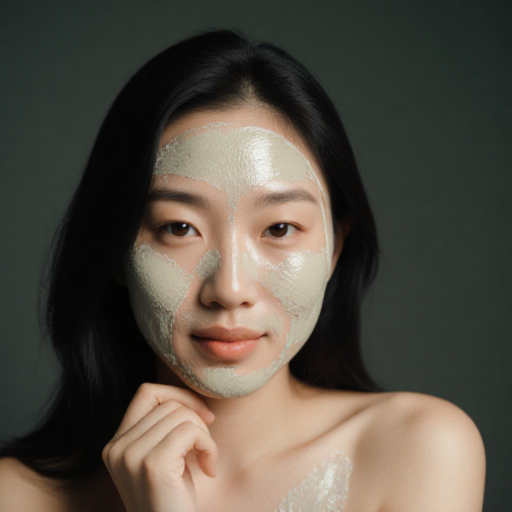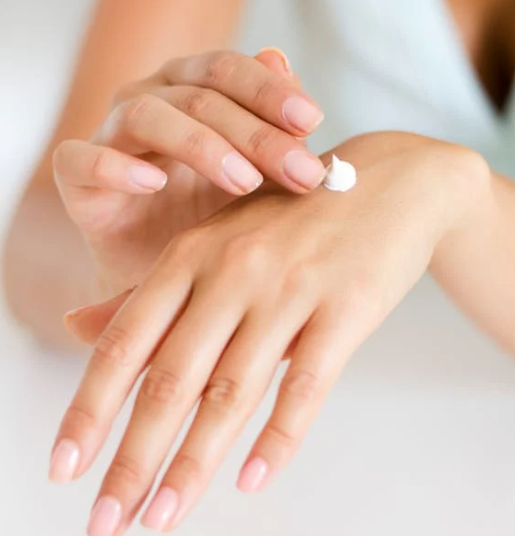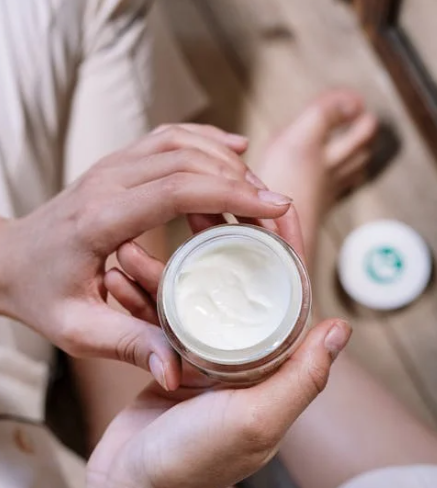
• Skip to primary navigation
  • Skip to main content
  • HOME
  • SHOP
    • Cleanser
    • Serum
    • Day Cream
    • Toner
  • OUR STORY
  • BLOG
  • HOME
  • SHOP
    • Cleanser
    • Serum
    • Day Cream
    • Toner
  • OUR STORY
  • BLOG

admin

Minimalist Skincare: Why Fewer Organic Products Might Be Better for Your Skin Barrier

October 18, 2025 by admin

Table of Contents

  1. Introduction: The Rise of Skinimalism
  2. Understanding the Skin Barrier and Why It Matters
  3. The Hidden Dangers of Overusing Skincare Products
  4. How Organic Ingredients Support Skin Recovery
  5. Building a Minimalist Organic Skincare Routine
  6. The Mental and Environmental Benefits of Skinimalism
  7. Conclusion

1. Introduction: The Rise of Skinimalism

In recent years, the beauty industry has witnessed a shift from complex, multi-step routines to something more intentional and sustainable—skinimalism. This movement encourages fewer, better-quality products that work synergistically to nourish the skin without overwhelming it.

Consumers are growing increasingly aware that layering countless serums, acids, and treatments may not lead to glowing skin—in fact, it can do the opposite. The minimalist skincare approach, especially when rooted in organic and natural formulations, focuses on restoring balance, protecting the skin barrier, and simplifying self-care.

Minimalist Skincare: Why Fewer Organic Products Might Be Better for Your Skin Barrier

2. Understanding the Skin Barrier and Why It Matters

The skin barrier is your body’s first line of defense against environmental aggressors like pollution, UV rays, and bacteria. When this barrier is healthy, it retains moisture and prevents irritation. But frequent exfoliation, harsh chemicals, and product overload can cause barrier damage, leading to dryness, redness, and breakouts.

Organic skincare helps maintain a strong barrier through ingredients that are gentle and nutrient-rich. Plant oils like jojoba, rosehip, and avocado, and natural humectants such as aloe vera and glycerin, reinforce the skin’s natural protective layer. Instead of forcing quick results, these ingredients work in harmony with your skin’s biology.


3. The Hidden Dangers of Overusing Skincare Products

Many people assume more products equal better results—but this mindset often backfires. Overuse of active ingredients such as retinoids, AHAs, or vitamin C can strip the skin and disrupt its microbiome. The result? Sensitivity, breakouts, and inflammation.

A minimalist routine eliminates unnecessary overlap. For instance, you don’t need three different serums for hydration when one organic formulation rich in antioxidants and essential fatty acids can deliver the same benefits more safely. Simplifying your skincare not only saves time and money—it protects your skin’s long-term health.


4. How Organic Ingredients Support Skin Recovery

Organic skincare stands out because it works with, not against, the skin’s natural processes. Ingredients derived from nature often contain complex nutrient profiles—vitamins, minerals, and phytonutrients—that restore balance gently.

For example:

  • Calendula soothes irritation and promotes healing.
  • Chamomile reduces redness and inflammation.
  • Green tea extract defends against free radicals while calming the skin.
  • Shea butter and coconut oil provide deep hydration without synthetic fillers.

These botanicals offer multifunctional benefits, allowing users to achieve healthy, radiant skin with fewer steps and fewer products.


5. Building a Minimalist Organic Skincare Routine

A minimalist routine doesn’t mean neglect—it means smart, consistent care. Here’s an example of a simple yet effective organic routine:

  1. Gentle Cleanser – Use an organic cleanser with mild surfactants derived from coconut or sugar to remove impurities without stripping natural oils.
  2. Hydrating Mist or Toner – Choose one infused with rose water or aloe vera to balance the skin’s pH.
  3. Nourishing Serum or Oil – Look for a serum with plant-based antioxidants like green tea, or a facial oil containing jojoba or rosehip.
  4. Light Moisturizer – Seal in hydration with an organic cream made from shea butter, squalane, or oat extract.
  5. Natural Sunscreen – Finish with a zinc oxide-based SPF for daily protection.

This pared-down approach ensures your skin gets what it truly needs—hydration, nourishment, and protection—without excess.


6. The Mental and Environmental Benefits of Skinimalism

Skinimalism goes beyond skincare—it’s a mindset of mindfulness and sustainability. A clutter-free routine can reduce stress and decision fatigue, turning daily skincare into a calming ritual instead of a chore.

Environmentally, using fewer products translates to less packaging waste, reduced energy use, and a smaller carbon footprint. When these minimalist choices are paired with organic, sustainably sourced ingredients, the impact extends from personal wellness to planetary health.

By choosing simplicity, you’re not just giving your skin a break—you’re contributing to a cleaner, more responsible beauty industry.


7. Conclusion

Minimalist skincare proves that less truly can be more. When guided by organic principles, skinimalism restores the skin’s natural balance, strengthens its barrier, and encourages long-term resilience. Instead of chasing trends or overloading your bathroom shelf, focus on the essentials—cleanse, nourish, and protect.

Healthy, glowing skin doesn’t require dozens of products. It requires the right ones, crafted thoughtfully from nature’s finest ingredients.

Filed Under: organic skincare

How Climate Change Is Shaping the Future of Organic Skincare Formulations
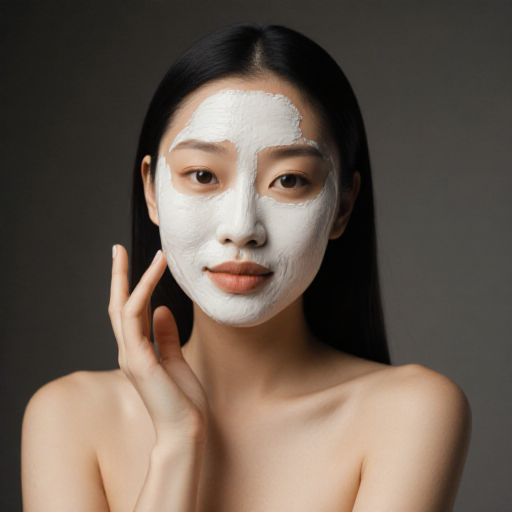
October 16, 2025 by admin

Table of Contents

  1. Introduction: When the Climate Crisis Meets Skincare
  2. Rising Temperatures and Their Impact on Skin Health
  3. The New Era of Eco-Responsive Formulations
  4. Drought-Resistant Botanicals and Sustainable Sourcing
  5. Packaging Innovation for a Greener Future
  6. How Brands Can Stay Authentic in the Climate-Conscious Market
  7. Conclusion

1. Introduction: When the Climate Crisis Meets Skincare

The beauty and skincare industry is experiencing a profound transformation driven by the realities of climate change. As global temperatures rise and pollution levels soar, consumers are seeking not just products that make their skin glow—but those that protect and adapt to an evolving environment. In this new era, organic skincare has become more than a lifestyle choice; it’s a necessity for long-term skin health and environmental responsibility.

Organic skincare brands are now challenged to create formulations that are both climate-resilient and skin-friendly, ensuring they meet the demands of consumers while minimizing environmental impact..

How Climate Change Is Shaping the Future of Organic Skincare Formulations

2. Rising Temperatures and Their Impact on Skin Health

The effects of climate change are not just ecological—they’re physiological. Hotter weather, fluctuating humidity, and increased UV exposure are leading to skin dehydration, hyperpigmentation, and premature aging. Pollution particles also settle into pores, triggering inflammation and oxidative stress.

These shifts mean traditional formulations may no longer suffice. The focus is moving toward ingredients that shield the skin from environmental stressors while repairing damage caused by sun exposure and air pollution. Many organic brands are turning to natural antioxidants, mineral-rich botanicals, and adaptogenic herbs that strengthen the skin’s barrier against external aggressors.


3. The New Era of Eco-Responsive Formulations

Today’s conscious consumers want products that adapt to changing conditions—just as the climate does. This has given rise to eco-responsive formulations, where ingredients react to the skin’s needs based on temperature, humidity, and exposure levels.

For instance, organic moisturizers that incorporate aloe vera, hyaluronic acid from plant sources, and cold-pressed seed oils can balance hydration in both dry and humid climates. Similarly, formulations containing natural UV-protective compounds like raspberry seed oil and carrot root extract offer gentle sun defense without synthetic chemicals.

These innovations are redefining what it means to be truly “organic”—it’s no longer just about what’s excluded (like parabens or sulfates) but what’s intelligently included to future-proof skin health.


4. Drought-Resistant Botanicals and Sustainable Sourcing

With extreme weather events and droughts affecting global agriculture, skincare ingredient sourcing is evolving too. The future of organic skincare lies in drought-resistant botanicals—plants that thrive in harsh environments and require minimal water, such as cactus extract, moringa, and jojoba.

Brands are investing in regenerative farming and ethical harvesting practices to ensure long-term sustainability. This approach not only supports biodiversity but also enhances the nutrient density of the ingredients themselves. The concept of “soil to serum” is becoming more than a marketing term—it’s a movement toward respecting the ecosystems that nurture the very plants used in skincare.


5. Packaging Innovation for a Greener Future

Climate change awareness extends beyond what’s inside the bottle. Packaging plays a massive role in reducing carbon footprints. Organic skincare brands are moving away from virgin plastics toward biodegradable, refillable, and recyclable materials.

Some companies are even experimenting with plant-based biopolymers and compostable paper tubes, while others encourage customers to return empty containers for refilling. This shift supports a circular economy, ensuring that beauty does not come at the cost of the planet.

By integrating sustainable design at every stage—from manufacturing to consumer disposal—organic skincare brands can make measurable contributions to reducing waste and emissions.


6. How Brands Can Stay Authentic in the Climate-Conscious Market

As eco-awareness becomes mainstream, consumers are increasingly skeptical of “greenwashing.” Authenticity is now the cornerstone of brand trust. To stay credible, companies must:

  • Provide transparent ingredient sourcing information.
  • Obtain certifications like USDA Organic or COSMOS.
  • Share measurable sustainability goals (e.g., carbon neutrality or water conservation).
  • Invest in local sourcing to reduce transport emissions.

Additionally, education plays a vital role. Brands should communicate how their organic skincare formulations protect both skin and the planet, empowering users to make informed, ethical choices.


7. Conclusion

Climate change is reshaping the way we live, and skincare is no exception. As environmental conditions evolve, so must the products we rely on to protect and nourish our skin. Organic skincare stands at the forefront of this shift—championing ingredients, formulations, and packaging that are resilient, sustainable, and scientifically mindful.

By choosing climate-conscious organic skincare, consumers are not only caring for their skin’s future but also contributing to a healthier, more sustainable planet.

Filed Under: organic skincare

The Connection Between Sleep Quality and Skin Health: Organic Night Care Rituals That Work

October 11, 2025 by admin

Introduction

A glowing complexion is not only the result of good skincare products — it’s also a reflection of how well you rest. During deep sleep, the body enters a repair mode, regenerating cells and producing essential proteins like collagen and elastin. Without proper rest, this cycle is disrupted, leading to dullness, fine lines, and irritation.

In today’s fast-paced world, lack of quality sleep is one of the most overlooked causes of premature aging. However, pairing restorative sleep habits with a targeted organic night skincare routine can help your skin recover and rejuvenate naturally. Using products made from plant-based, nutrient-rich ingredients supports this nightly renewal process, helping you wake up to smoother, brighter, and healthier skin.

The Connection Between Sleep Quality and Skin Health: Organic Night Care Rituals That Work

Why Sleep Is Essential for Skin Health

When you sleep, your skin’s blood flow increases, allowing oxygen and nutrients to reach cells more efficiently. This is also the time when the body produces collagen and repairs damage caused by environmental stress during the day. Without adequate sleep, cortisol levels rise, leading to inflammation, breakouts, and breakdown of collagen fibers.

In short, sleep is your skin’s natural anti-aging treatment. Even the most expensive creams can’t fully replace the restorative power of a good night’s rest.


The Science Behind Nighttime Skin Renewal

Nighttime is when the skin’s permeability increases — meaning it’s more receptive to nutrients and hydration. This makes your evening skincare routine even more important. Organic ingredients, being naturally bio-compatible, penetrate effectively without disrupting the skin’s microbiome.

During sleep, three key processes occur:

  1. Cell regeneration: Damaged skin cells are replaced with new ones.
  2. Collagen production: Supports firmness and reduces wrinkles.
  3. Barrier repair: Moisture loss is reduced, and sensitivity is calmed.

By applying the right organic ingredients before bed, you can enhance all three processes for maximum overnight results.

Discover how a dedicated night skincare routine with organic night creams and serums ensures your skin gets exactly what it needs while you sleep.


Organic Ingredients That Support Rest and Repair

1. Lavender and Chamomile Extracts

Known for their calming effects, these botanicals help reduce redness and sensitivity while promoting relaxation. Their soothing aroma can also improve sleep quality, creating a double benefit for both body and skin.

2. Rosehip Oil

Rich in vitamin A and C, rosehip oil aids in cell regeneration and collagen synthesis. Applying it before bed helps repair UV and blue light damage accumulated during the day.

3. Aloe Vera and Cucumber

These natural humectants hydrate and cool the skin overnight, reducing puffiness and inflammation that often appear after long days or restless nights.

4. Shea Butter and Jojoba Oil

Both mimic the skin’s natural oils, helping restore its barrier and lock in moisture through the night. They are especially beneficial for dry or mature skin types.

5. Green Tea Extract

Packed with polyphenols, green tea fights free radicals and reduces inflammation while you sleep, leaving skin refreshed and brighter in the morning.

6. Neroli and Rose Essential Oils

These floral oils not only improve elasticity but also promote emotional relaxation. A light facial massage with these oils before bed helps stimulate circulation and calm the mind.


How to Build an Effective Organic Night Skincare Routine

Step 1: Cleanse Gently

Begin with an organic oil cleanser or cream cleanser to remove dirt, makeup, and pollutants. Look for ingredients like almond oil or chamomile that purify without stripping natural moisture.

Step 2: Hydrate and Balance

Follow with a gentle toner made from rose water or witch hazel to balance pH and prepare the skin for nutrient absorption.

Step 3: Apply a Night Serum

Use a serum containing rosehip oil, sea buckthorn, or vitamin C to support collagen production and even out skin tone. Serums penetrate deeply and deliver concentrated nutrients.

Step 4: Lock in Moisture

Finish with a rich organic night cream infused with shea butter or avocado oil to seal in hydration and prevent overnight dryness.

Step 5: Relax Before Bed

Take a few minutes to wind down — dim the lights, breathe deeply, and let calming scents like lavender or sandalwood help you transition into sleep. These rituals signal the body that it’s time to rest and repair.


Lifestyle Tips for Better Sleep and Skin Health

1. Maintain a Consistent Sleep Schedule

Try to go to bed and wake up at the same time daily. Consistency helps regulate your circadian rhythm and optimizes the skin’s repair process.

2. Limit Screen Time Before Bed

Blue light from screens suppresses melatonin production, delaying sleep and increasing oxidative stress. Aim to stop using devices at least 30–60 minutes before bedtime.

3. Sleep on a Clean Pillowcase

Bacteria and dirt buildup on pillowcases can cause breakouts and irritation. Use soft, breathable organic cotton or silk pillowcases and wash them weekly.

4. Stay Hydrated

Dehydration affects skin elasticity and texture. Drink water throughout the day and consider an herbal tea before bed to maintain moisture balance overnight.

5. Manage Stress

Chronic stress elevates cortisol, which triggers inflammation and accelerates aging. Try meditation, deep breathing, or journaling before sleep to help your skin and mind unwind.


Morning After Care

Your morning skincare routine should focus on maintaining hydration and protecting the results from the night before. Cleanse lightly, apply an antioxidant serum, and follow with a mineral sunscreen to prevent UV and blue light damage. Consistency between your morning and night rituals ensures lasting improvement in tone, texture, and radiance.


Conclusion

A restful night’s sleep is one of the most powerful beauty treatments available — and it’s completely natural. When paired with an organic night skincare routine, it allows your skin to repair, restore, and renew itself more effectively.

Organic ingredients such as rosehip, chamomile, and green tea work in harmony with your body’s circadian rhythm to support collagen production and barrier health. With a few mindful changes and nutrient-rich natural care, you can wake up every morning with refreshed, glowing skin that reflects both outer care and inner balance.

Filed Under: organic skincare

Organic Skincare for Mature Skin: Nature’s Answer to Firmness and Elasticity

October 9, 2025 by admin

Introduction

As we age, our skin naturally undergoes changes — collagen levels drop, elasticity weakens, and fine lines begin to appear. While aging is a natural and beautiful process, maintaining healthy, radiant skin is possible at any age with the right approach. The key lies in nourishing your skin with gentle, plant-based ingredients that support renewal and protection. Organic skincare for mature skin focuses on restoring vitality through antioxidants, natural oils, and botanical extracts that work harmoniously with the skin’s biology.

Unlike conventional anti-aging products that often rely on synthetic chemicals, organic formulations use nutrients derived from nature to rejuvenate and repair. This holistic approach not only enhances firmness and elasticity but also promotes long-term skin health.

Organic Skincare for Mature Skin: Nature’s Answer to Firmness and Elasticity

Understanding Mature Skin

By the time we reach our 40s and 50s, skin cell turnover slows down significantly. Collagen production decreases, leading to sagging and wrinkles. Moisture retention also becomes a challenge as the skin barrier weakens, resulting in dryness and dullness. Additionally, hormonal changes can cause uneven tone and increased sensitivity.

Organic skincare supports mature skin by addressing these concerns from multiple angles — replenishing moisture, improving texture, and defending against free radical damage. The focus is not on turning back time, but on nourishing skin to age gracefully and naturally.


Key Organic Ingredients for Firmness and Elasticity

1. Rosehip Oil

Rich in vitamin A and essential fatty acids, rosehip oil helps stimulate collagen production and improve skin tone. Its regenerative properties make it a favorite for reducing fine lines and promoting elasticity.

2. Pomegranate Seed Oil

Pomegranate oil is packed with punicic acid, a rare omega-5 fatty acid that helps boost collagen and protect against free radical damage. It enhances firmness and improves skin’s resilience over time.

3. Sea Buckthorn Extract

Loaded with vitamin C and E, this powerful antioxidant helps brighten dull skin and reduce age spots. It also promotes regeneration and strengthens the skin’s protective barrier.

4. Coenzyme Q10 (CoQ10)

A natural enzyme present in skin cells, CoQ10 declines with age. Topical application through organic skincare products replenishes it, energizing skin cells and improving elasticity.

5. Green Tea and Ginseng Extracts

Both are renowned for their antioxidant and anti-inflammatory benefits. These botanicals protect against environmental stressors, soothe irritation, and help maintain firmness.

6. Hyaluronic Acid (Plant-Derived)

While not new, organic hyaluronic acid derived from plants provides deep hydration, plumping the skin from within and minimizing the appearance of wrinkles.


How Organic Skincare Boosts Collagen Naturally

Collagen is the foundation of youthful skin. Rather than synthetic collagen injections, organic skincare supports your body’s natural collagen synthesis using vitamins, minerals, and antioxidants. Vitamin C from rosehip, acerola, or citrus extracts helps form new collagen fibers, while essential fatty acids repair and strengthen the existing network.

In addition, many organic oils mimic the skin’s natural sebum, ensuring that hydration remains balanced. This helps maintain elasticity while preventing the dryness often associated with mature skin.

Learn more about building an organic anti-aging skincare routine that helps reduce fine lines naturally using plant-based ingredients for youthful skin.


A Complete Organic Skincare Routine for Mature Skin

Morning Routine

  1. Gentle Cleanser: Start with an organic cream cleanser containing chamomile or calendula to remove impurities without stripping moisture.
  2. Hydrating Toner: Use a floral water mist such as rose or lavender hydrosol to refresh and balance the skin’s pH.
  3. Antioxidant Serum: Apply a vitamin C or CoQ10 serum to energize the skin and protect against daily stressors.
  4. Moisturizer: Choose a rich moisturizer with shea butter and rosehip oil to deeply hydrate and smooth texture.
  5. Sunscreen: Finish with a mineral-based SPF to protect from UV and blue light, both of which accelerate aging.

Evening Routine

  1. Cleanse Thoroughly: Remove makeup and dirt using a nourishing oil cleanser.
  2. Exfoliate Weekly: Gently exfoliate two to three times a week with a natural enzyme or oat-based scrub to boost cell turnover.
  3. Rejuvenating Serum: Apply a serum with pomegranate or sea buckthorn oil to stimulate collagen while you sleep.
  4. Night Cream: Use a peptide-enriched organic cream to restore elasticity and firmness overnight.
  5. Eye Care: Pat a small amount of organic eye cream with green tea extract to reduce puffiness and fine lines.

Lifestyle and Nutrition Tips for Ageless Skin

Skincare works best when supported by a balanced lifestyle. What you eat and how you live directly influence your skin’s condition.

  • Stay hydrated: Aim for at least eight glasses of water daily to maintain plump, hydrated skin.
  • Eat antioxidant-rich foods: Berries, leafy greens, nuts, and seeds fight free radicals that contribute to premature aging.
  • Get enough sleep: Skin repairs itself overnight; lack of rest can slow renewal and increase dullness.
  • Exercise regularly: Improves circulation, bringing more oxygen and nutrients to skin cells.
  • Limit alcohol and sugar: Both can dehydrate the skin and accelerate collagen breakdown.

Why Choose Organic Over Conventional Skincare

Conventional anti-aging products often rely on synthetic ingredients such as retinoids or silicones that may cause irritation or long-term imbalance. Organic skincare, on the other hand, emphasizes clean formulations free of harsh chemicals, focusing on long-term nourishment instead of quick fixes.

Natural alternatives like bakuchiol (a plant-based retinol) and niacinamide (vitamin B3) deliver similar anti-aging benefits without causing sensitivity. Moreover, organic products are generally more eco-friendly and cruelty-free, aligning with sustainable living values.


Conclusion

Aging is not something to fight against — it’s a process to embrace with care and mindfulness. With the right organic skincare routine, you can maintain firmness, elasticity, and a youthful glow while supporting your skin’s natural functions.

Organic ingredients such as rosehip oil, sea buckthorn, and pomegranate seed oil work in harmony to rejuvenate and protect mature skin without synthetic additives. Combined with a healthy lifestyle and consistent care, these nature-powered solutions provide lasting results that reflect true vitality.

Nature has already given us everything we need to keep our skin radiant through every stage of life. The secret is simply learning to use it wisely and consistently.

Filed Under: organic skincare

Blue Light and Your Skin: Can Organic Skincare Protect Against Digital Damage?

October 4, 2025 by admin


Introduction

In today’s digital world, we spend hours every day in front of screens — phones, laptops, tablets, and TVs. While most people know about the dangers of UV rays from the sun, few realize that blue light (HEV light) emitted from digital devices can also affect skin health. Recent studies suggest that overexposure to blue light can accelerate skin aging, trigger pigmentation, and weaken the skin barrier. The good news? Organic skincare offers natural, antioxidant-rich protection that helps defend your skin from this modern-day stressor.

Blue Light and Your Skin: Can Organic Skincare Protect Against Digital Damage?

What Is Blue Light and Why Does It Matter?

Blue light, or high-energy visible (HEV) light, sits next to UV light on the electromagnetic spectrum. It has a shorter wavelength and higher energy than other visible light, which allows it to penetrate deeper into the skin.

Unlike UV rays, blue light doesn’t cause immediate sunburn — but it can cause oxidative stress, inflammation, and cellular damage over time. The result? Fine lines, uneven tone, loss of elasticity, and dullness.

Since we’re exposed to blue light from our devices daily, this constant low-level exposure can take a toll, especially if you work long hours in front of screens.


How Blue Light Affects Your Skin

  1. Accelerates Aging:
    Blue light generates free radicals, unstable molecules that damage collagen and elastin fibers. This oxidative stress contributes to premature wrinkles and sagging.
  2. Triggers Hyperpigmentation:
    Studies have shown that blue light can activate melanocytes, leading to dark spots and uneven skin tone, particularly in deeper skin tones.
  3. Disrupts Skin Barrier:
    Excessive exposure can weaken the skin’s natural barrier, making it more prone to dryness, irritation, and sensitivity.
  4. Affects Sleep and Recovery:
    Blue light exposure late at night can disrupt circadian rhythms, reducing the skin’s natural repair process — which mostly happens during deep sleep.

How Organic Skincare Protects Against Blue Light

While sunscreen remains essential for UV protection, not all sunscreens are effective against blue light. This is where organic skincare steps in, offering natural defense through plant-based antioxidants, vitamins, and botanical extracts that neutralize free radicals and restore balance.

1. Antioxidant-Rich Formulas

Ingredients like green tea extract, vitamin C, rosehip oil, and pomegranate seed oil are rich in antioxidants. They help counteract the oxidative stress caused by blue light and urban pollution.

Learn how antioxidants in organic skincare act as a natural defense against environmental stressors and help protect your skin from pollution and free radicals.

2. Protective Plant Extracts

Botanical ingredients like ginseng, aloe vera, and seaweed strengthen the skin barrier and improve hydration levels. These help the skin resist the drying and inflammatory effects of blue light exposure.

3. Natural Oils with Blue Light Shielding Properties

Some natural oils, including raspberry seed oil and buriti oil, have light-absorbing properties that can minimize blue light penetration. They also add a glow without clogging pores — a perfect match for screen-heavy days.

4. Replenishing Moisture with Organic Ingredients

Prolonged blue light exposure can dehydrate the skin. Organic moisturizers with shea butter, jojoba oil, and aloe vera help lock in moisture and restore the lipid barrier, keeping the skin supple and protected.


Creating an Anti–Blue Light Organic Skincare Routine

Here’s how to build a simple daily routine that shields your skin while supporting overall health:

Morning Routine

  1. Cleanse gently with a sulfate-free organic cleanser to remove overnight impurities.
  2. Hydrate using a toner with antioxidant botanicals such as chamomile or cucumber extract.
  3. Protect with a serum or moisturizer packed with vitamin C, green tea, or coenzyme Q10.
  4. Shield with a mineral-based SPF containing zinc oxide or titanium dioxide — these offer physical protection from UV and partial blue light defense.

Evening Routine

  1. Double cleanse to remove sunscreen, makeup, and screen-time buildup.
  2. Apply a reparative serum containing rosehip oil or sea buckthorn oil to promote overnight regeneration.
  3. Moisturize deeply with an organic night cream enriched with antioxidants and peptides.
  4. Unplug early — reducing blue light exposure before bed enhances the skin’s natural repair cycle.

Lifestyle Tips to Minimize Blue Light Damage

  • Use a blue light filter on devices and lower screen brightness.
  • Take frequent breaks (the 20-20-20 rule: every 20 minutes, look 20 feet away for 20 seconds).
  • Increase antioxidant intake through diet — think berries, leafy greens, and nuts.
  • Sleep well — nighttime is when your skin repairs oxidative stress from the day.
  • Hydrate regularly to maintain healthy skin barrier function.

Conclusion

Blue light exposure is one of the silent stressors of modern life, but that doesn’t mean your skin has to suffer. By incorporating organic, antioxidant-rich skincare, you can protect your complexion from digital damage, restore balance, and maintain a youthful glow — naturally.

Remember, your skin’s best defense lies in consistency, clean ingredients, and conscious living. Start protecting your skin today — both from the sun and from the screens that surround us.


Filed Under: organic skincare

The Role of Antioxidants in Organic Skincare: Nature’s Defense Against Aging and Pollution

September 26, 2025 by admin


Table of Contents

  1. Introduction
  2. Understanding Antioxidants and Their Role in Skin Health
  3. How Free Radicals Affect the Skin
  4. Common Natural Antioxidants Used in Organic Skincare
  5. Benefits of Antioxidants for Skin
  6. How to Incorporate Antioxidants into Your Skincare Routine
  7. Seasonal and Environmental Considerations
  8. Common Myths About Antioxidants in Skincare
  9. Tips for Maximizing Antioxidant Benefits
  10. Conclusion

1. Introduction

Organic skincare has become increasingly popular due to its use of plant-based ingredients that nourish and protect the skin naturally. Among these, antioxidants play a vital role in defending the skin against environmental stressors, premature aging, and inflammation.

Understanding how antioxidants work, which ones are most effective, and how to incorporate them into your daily routine can help maintain radiant, healthy skin while reducing the impact of pollution and other damaging factors.

The Role of Antioxidants in Organic Skincare: Nature’s Defense Against Aging and Pollution

2. Understanding Antioxidants and Their Role in Skin Health

Antioxidants are molecules that neutralize free radicals — unstable molecules generated by UV exposure, pollution, and stress. Free radicals damage cellular structures, including collagen and elastin, leading to fine lines, wrinkles, dullness, and uneven skin tone.

Organic antioxidants derived from plants not only combat free radicals but also provide vitamins, minerals, and bioactive compounds that strengthen the skin’s natural defenses and support repair mechanisms.


3. How Free Radicals Affect the Skin

Free radicals cause oxidative stress, which accelerates skin aging and weakens the skin barrier. Common sources include:

  • UV Radiation: Leads to sunburn, pigmentation, and collagen breakdown.
  • Pollution: Particles and toxins in the air increase inflammation and sensitivity.
  • Stress and Poor Diet: Hormonal imbalances and nutrient deficiencies exacerbate oxidative damage.
  • Lifestyle Factors: Smoking and alcohol consumption generate additional free radicals.

Antioxidants work to neutralize these radicals before they damage skin cells, preserving a youthful and healthy complexion.


4. Common Natural Antioxidants Used in Organic Skincare

  • Vitamin C: Brightens skin, stimulates collagen production, and protects against UV damage.
  • Vitamin E: Moisturizes and reduces inflammation while protecting lipid membranes.
  • Green Tea Extract: Contains polyphenols that combat free radicals and calm irritation.
  • Resveratrol: Found in grape seed and berries, reduces oxidative stress and inflammation.
  • Coenzyme Q10: Supports cellular energy and reduces visible signs of aging.
  • Niacinamide (Vitamin B3): Improves barrier function, evens skin tone, and reduces redness.
  • Botanical Oils (Rosehip, Argan, Pomegranate): Deliver fatty acids and antioxidants for skin repair.

These ingredients are commonly found in serums, moisturizers, masks, and sunscreens within organic skincare lines.


5. Benefits of Antioxidants for Skin

  1. Anti-Aging: Minimize fine lines, wrinkles, and sagging.
  2. Protection from Pollution: Neutralize oxidative damage caused by environmental pollutants.
  3. Brightening and Even Tone: Reduce pigmentation and dark spots.
  4. Barrier Support: Strengthen skin’s defenses against irritation and sensitivity.
  5. Calming Inflammation: Soothe redness, acne, and post-exposure irritation.
  6. Enhanced Repair: Support natural cellular repair processes for healthier skin over time.

6. How to Incorporate Antioxidants into Your Skincare Routine

  • Morning: Apply antioxidant serums under sunscreen for added protection against daily environmental stressors.
  • Night: Use richer antioxidant creams or oils to support repair and regeneration during sleep.
  • Layering: Combine antioxidants with hydrating and nourishing ingredients for maximum absorption.
  • Masks and Treatments: Weekly antioxidant masks boost skin vitality and provide an extra layer of defense.

Consistency is key; daily antioxidant use provides cumulative benefits over time.


7. Seasonal and Environmental Considerations

  • Tropical Humidity: Lightweight antioxidant serums prevent heaviness and maintain hydration.
  • Dry Seasons: Rich creams or oils with antioxidants help lock in moisture.
  • Polluted Areas: Antioxidant-rich layers act as a barrier against particulate matter and oxidative stress.

Adjusting products according to climate ensures optimal protection and comfort.


8. Common Myths About Antioxidants in Skincare

  • Myth: “All antioxidants are the same.”
    Fact: Different antioxidants target various skin concerns and work synergistically when combined.
  • Myth: “Antioxidants replace sunscreen.”
    Fact: They complement sunscreen but cannot fully prevent UV damage.
  • Myth: “Natural antioxidants work slower than synthetic ones.”
    Fact: Plant-derived antioxidants can be highly potent and bioavailable, often providing additional nutrients and anti-inflammatory benefits.

Understanding these distinctions ensures effective use of antioxidant-rich products.


9. Tips for Maximizing Antioxidant Benefits

  • Apply antioxidants on clean, slightly damp skin for better absorption.
  • Layer antioxidants before heavier moisturizers or oils.
  • Store products in opaque, airtight containers to prevent degradation.
  • Combine antioxidants with SPF during the day for dual protection.
  • Introduce new antioxidants gradually to monitor skin response and avoid irritation.

Proper application and storage maximize the potency and longevity of natural antioxidants.


10. Conclusion

Antioxidants are the cornerstone of organic skincare, defending the skin against aging, pollution, and environmental stress. By neutralizing free radicals, enhancing repair mechanisms, and providing essential nutrients, antioxidant-rich products help maintain youthful, radiant skin naturally.

Incorporating antioxidants into a daily organic skincare routine — tailored to your skin type, climate, and lifestyle — ensures long-term skin health, protection, and vitality. With the right knowledge and consistent care, nature’s antioxidants can be your most powerful ally against premature aging and environmental damage.


Filed Under: organic skincare

  • « Go to Previous Page
  • Page 1
  • Interim pages omitted …
  • Page 3
  • Page 4
  • Page 5
  • Page 6
  • Page 7
  • Interim pages omitted …
  • Page 10
  • Go to Next Page »

Pureté offers a luxurious experience that nurtures and enhances your skin’s natural radiance.

Useful Links

Privacy Policy
Terms of Service
Shipping & Delivery
FAQs
Disclaimers

Our Products

1. Cleanser
2. Serum
3. Day Cream
4. Toner

©2025. Pureté All Rights Reserved.