• Skip to primary navigation
  • Skip to main content
  • HOME
  • SHOP
    • Cleanser
    • Serum
    • Day Cream
    • Toner
  • OUR STORY
  • BLOG
  • HOME
  • SHOP
    • Cleanser
    • Serum
    • Day Cream
    • Toner
  • OUR STORY
  • BLOG

admin

Organic Skincare for Oily Skin: How to Control Excess Oil Naturally in Singapore

August 9, 2026 by admin

Table of Contents

  1. Why Oily Skin Is So Common in Singapore
  2. What Actually Causes Excess Oil?
  3. Why Stripping Your Skin Makes It Worse
  4. The Best Organic Ingredients for Oily Skin
  5. A Daily Routine for Oily Skin
  6. Common Mistakes People Make
  7. Lifestyle Habits That Affect Oil Production
  8. Final Thoughts

Why Oily Skin Is So Common in Singapore

Many people living in Singapore believe they have “problem skin” because their face becomes shiny only a few hours after washing.

In reality, Singapore’s tropical climate naturally encourages higher sebum production.

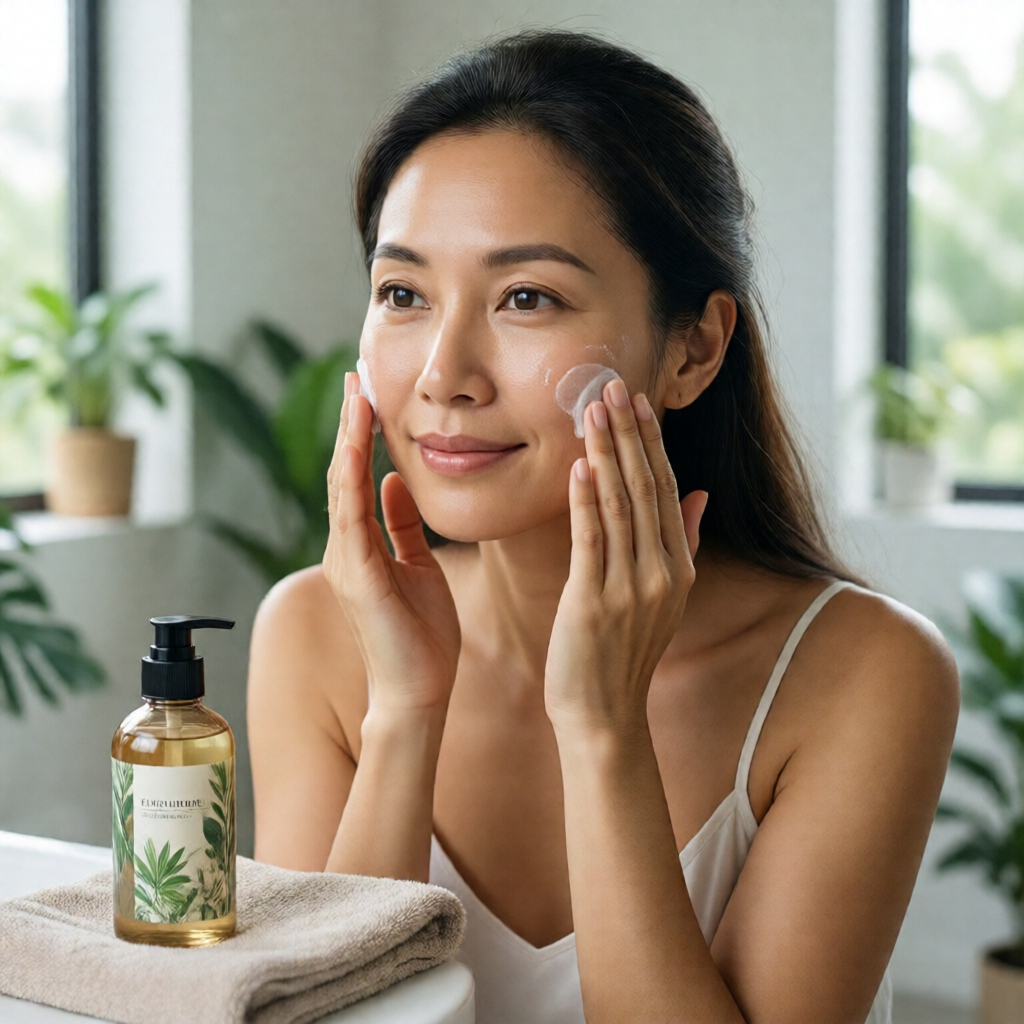
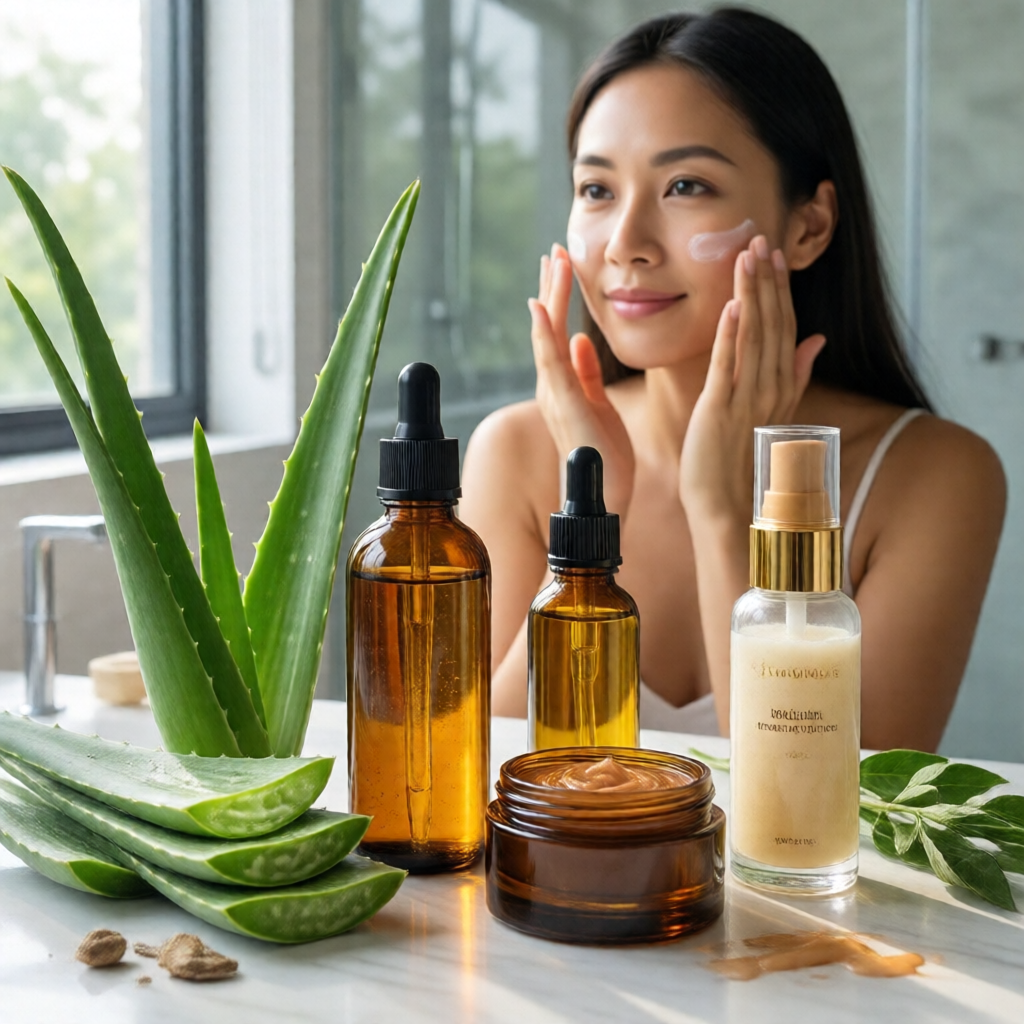
Organic Skincare for Oily Skin How to Control Excess Oil Naturally in Singapore

Daily temperatures above 30°C, high humidity, frequent sweating and constant exposure to air-conditioning all influence how your skin behaves.

While oily skin is often frustrating, it also has advantages. Sebum helps protect your skin barrier and naturally slows moisture loss. The goal isn’t to eliminate oil completely—it is to keep oil production balanced while maintaining healthy, hydrated skin.

This is where organic skincare can make a significant difference.

Rather than aggressively stripping oil away, organic skincare focuses on supporting your skin’s natural balance.


What Actually Causes Excess Oil?

Sebaceous glands naturally produce sebum to lubricate and protect your skin.

Several factors can increase oil production, including:

  • Genetics
  • Hormonal changes
  • High temperatures
  • Humidity
  • Stress
  • Lack of sleep
  • Over-cleansing
  • Using harsh skincare products

Ironically, many people unintentionally worsen oily skin by trying to remove every trace of oil.

When your skin becomes dehydrated, it often compensates by producing even more sebum.

This explains why someone can have skin that feels both oily and dehydrated at the same time.

Instead of fighting your skin, your skincare routine should help restore its natural balance.


Why Stripping Your Skin Makes It Worse

Many cleansers marketed for oily skin promise a “deep clean” or “oil-free finish.”

After washing, your skin may feel squeaky clean.

Unfortunately, this feeling often indicates that your natural protective oils have been removed.

When this happens repeatedly, your skin responds by increasing sebum production.

The result becomes a frustrating cycle:

  • Skin feels oily.
  • You use a stronger cleanser.
  • Your skin becomes dehydrated.
  • Oil production increases.
  • Skin feels even oilier.

Breaking this cycle begins with gentler skincare.

A mild cleanser followed by proper hydration usually produces better long-term oil control than harsh oil-removing products.

If you’re unsure whether your skin is actually dehydrated, read our guide on What to Look for in a Hydrating Toner if You Live in a Tropical Climate, which explains why hydration remains essential even for oily skin.


The Best Organic Ingredients for Oily Skin

Choosing the right ingredients is more important than choosing products labelled “oil control.”

Niacinamide

Niacinamide helps regulate sebum production while strengthening the skin barrier.

It is suitable for almost every skin type.

Aloe Vera

Aloe vera hydrates without leaving greasy residue.

It also calms inflammation caused by heat and environmental stress.

Green Tea

Green tea contains antioxidants that help reduce inflammation while supporting healthier-looking skin.

Witch Hazel (Alcohol-Free)

Alcohol-free witch hazel can help reduce excess oil without overly drying the skin.

Always avoid formulations containing high concentrations of alcohol.

Centella Asiatica

Centella helps calm irritation and supports skin barrier recovery.

This is particularly beneficial for oily skin that has been over-treated.

Hyaluronic Acid

Hydrated skin often produces less excess oil.

A lightweight hyaluronic acid serum provides moisture without clogging pores.


A Daily Routine for Oily Skin

An effective skincare routine for oily skin should remain simple.

Morning

  • Gentle organic cleanser
  • Hydrating toner
  • Lightweight niacinamide or hyaluronic acid serum
  • Oil-free moisturiser
  • Broad-spectrum sunscreen

Evening

  • Gentle cleanser
  • Hydrating toner
  • Lightweight serum
  • Moisturiser

Many people skip moisturiser because their skin already feels oily.

This often leads to even greater oil production later in the day.

Our guide on How to Choose the Right Organic Moisturiser for Singapore’s Hot and Humid Weather explains why lightweight moisturisers actually help oily skin remain balanced.


Common Mistakes People Make

Several habits unintentionally increase oil production.

Using facial scrubs every day.

Washing your face more than twice daily.

Skipping moisturiser.

Using products containing drying alcohols.

Applying thick creams designed for cold climates.

Constantly changing skincare products.

Using multiple exfoliating acids simultaneously.

Following complicated social media routines without considering Singapore’s climate.

Healthy skin is built through consistency rather than aggressive treatments.


Lifestyle Habits That Affect Oil Production

Skincare products are only part of the solution.

Daily habits also influence your skin.

Try to:

Maintain regular sleep.

Reduce unnecessary stress.

Stay hydrated.

Avoid touching your face frequently.

Clean makeup brushes regularly.

Replace pillowcases often.

Eat a balanced diet rich in fruits and vegetables.

These habits support healthier skin alongside a consistent skincare routine.


Final Thoughts

Oily skin is not something that needs to be eliminated.

It simply needs to be balanced.

By choosing gentle organic skincare, maintaining proper hydration and avoiding harsh oil-stripping products, you can reduce shine while keeping your skin healthy and comfortable throughout Singapore’s humid climate.

At Pureté Singapore, we believe oily skin deserves nourishment rather than punishment. Our collection of organic skincare products is carefully formulated to hydrate, balance and support healthy skin naturally, helping you achieve a fresher, more comfortable complexion every day.

If you’re looking to build a complete skincare routine, explore the Pureté Singapore Organic Skincare Collection to discover botanical products specially selected for Singapore’s tropical climate.

Filed Under: organic skincare

How to Protect Your Skin Barrier Naturally in Singapore’s Tropical Climate

August 6, 2026 by admin

Table of Contents

  1. What Is the Skin Barrier?
  2. Why Your Skin Barrier Is Under Constant Stress
  3. Signs of a Damaged Skin Barrier
  4. What Causes Barrier Damage?
  5. Natural Ingredients That Help Repair the Skin Barrier
  6. A Simple Barrier-Friendly Skincare Routine
  7. Daily Habits That Protect Your Skin
  8. Final Thoughts

What Is the Skin Barrier?

Your skin barrier is your body’s first line of defence against the outside world.

It is made up of skin cells, natural lipids and protective oils that work together to keep moisture inside while blocking bacteria, pollution, allergens and environmental irritants from entering.

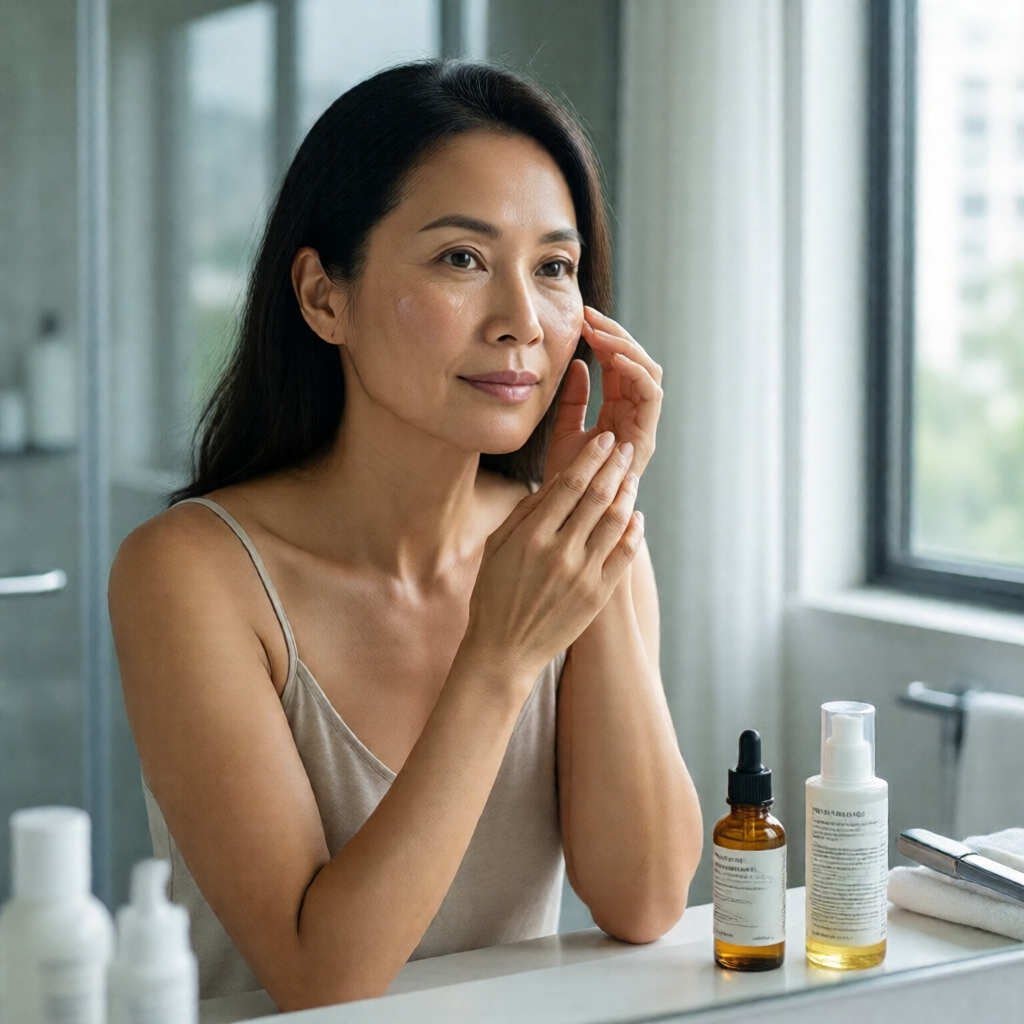
How to Protect Your Skin Barrier Naturally in Singapore's Tropical Climate

When your skin barrier is healthy, your skin feels smooth, hydrated and comfortable.

When it becomes damaged, moisture escapes much more easily, leaving your skin dry, irritated and more vulnerable to redness, sensitivity and breakouts.

Many skincare concerns—including dehydration, excess oil, eczema flare-ups and sensitive skin—can often be traced back to a weakened skin barrier.

Supporting this protective layer should be the foundation of every skincare routine.


Why Your Skin Barrier Is Under Constant Stress

Living in Singapore means your skin rarely gets a chance to rest.

Every day it is exposed to:

  • Strong UV radiation
  • High humidity
  • Heat and perspiration
  • Urban pollution
  • Indoor air-conditioning
  • Frequent cleansing
  • Environmental dust

Although humidity feels moist, it does not prevent your skin from losing water.

Every time you move between outdoor heat and air-conditioned buildings, your skin must quickly adjust to a different environment.

Over time, this constant stress weakens the barrier, making it harder for your skin to stay hydrated and balanced.

This is one reason why skincare routines designed for cooler countries often fail to deliver the same results in Singapore.


Signs of a Damaged Skin Barrier

Many people assume they simply have “sensitive skin.”

In reality, their skin barrier may already be compromised.

Common signs include:

  • Tightness after cleansing
  • Persistent dryness
  • Redness
  • Stinging when applying skincare
  • Rough texture
  • Flaking
  • Frequent breakouts
  • Increased oil production
  • Skin that suddenly reacts to products it previously tolerated

These symptoms usually indicate that your skin needs repair rather than stronger treatments.

Before adding more active ingredients, focus on rebuilding your barrier.

If your skin has become increasingly reactive, our guide on Why Organic Skincare Is Better for Sensitive Skin in Singapore’s Climate explains why restoring your barrier should always come first.


What Causes Barrier Damage?

Many everyday habits slowly weaken your skin’s natural protection.

Over-cleansing

Using harsh cleansers twice daily strips away natural protective oils.

Excessive Exfoliation

Daily use of acids or facial scrubs gradually damages the barrier instead of improving it.

Strong Active Ingredients

Retinol, exfoliating acids and high-concentration vitamin C all have benefits, but using too many together increases irritation.

Skipping Moisturiser

Many people with oily skin avoid moisturiser, believing it will worsen shine.

Instead, dehydration often causes the skin to produce even more oil.

UV Exposure

Singapore’s UV index remains high throughout the year.

Without daily sunscreen, ultraviolet radiation continuously weakens the skin barrier.


Natural Ingredients That Help Repair the Skin Barrier

The right ingredients can help your skin recover naturally.

Aloe Vera

Aloe vera hydrates while calming irritation caused by heat and environmental stress.

Centella Asiatica

Centella supports skin repair and helps reduce redness.

It has become one of the most researched botanical ingredients for barrier recovery.

Oat Extract

Colloidal oatmeal helps reduce itching while improving moisture retention.

Hyaluronic Acid

Hyaluronic acid attracts water into the skin, improving hydration without leaving a greasy finish.

Ceramides

Ceramides replace essential lipids that keep the skin barrier strong.

They are particularly helpful for dry or sensitive skin.

Green Tea

Green tea provides antioxidant protection against UV exposure and pollution while helping reduce inflammation.

Products containing these ingredients are particularly effective when used consistently rather than occasionally.


A Simple Barrier-Friendly Skincare Routine

Barrier repair does not require ten different products.

A simple routine is often the most effective.

Morning

  • Gentle organic cleanser
  • Hydrating toner
  • Lightweight serum
  • Moisturiser
  • Broad-spectrum sunscreen

Evening

  • Gentle cleanser
  • Hydrating toner
  • Barrier-supporting serum
  • Moisturiser

If you have not yet selected your products, our guides on What to Look for in a Hydrating Toner if You Live in a Tropical Climate, Do You Really Need a Serum? A Singapore Guide to Lightweight Actives, and How to Choose the Right Organic Moisturiser for Singapore’s Hot and Humid Weather explain how each step works together to strengthen your skin barrier.


Daily Habits That Protect Your Skin

Skincare products are only one part of maintaining a healthy barrier.

Daily habits also matter.

Avoid washing your face more than necessary.

Use lukewarm rather than hot water.

Wear sunscreen every morning.

Stay hydrated throughout the day.

Avoid touching your face unnecessarily.

Allow new products several weeks before judging results.

Maintain a consistent routine instead of constantly switching products.

Healthy skin develops gradually through repeated daily care rather than overnight treatments.


Final Thoughts

Your skin barrier quietly protects your skin every minute of every day, yet it is often overlooked until problems appear.

By choosing gentle organic skincare, avoiding unnecessary irritation, and following a simple routine designed for Singapore’s tropical climate, you can strengthen your skin’s natural defences and improve hydration, comfort and overall skin health.

At Pureté Singapore, we believe healthy skin begins with a healthy skin barrier. Our collection of organic skincare products is carefully selected to nourish, hydrate and protect your skin naturally, helping you build a routine that supports long-term skin health in Singapore’s unique environment.

Filed Under: organic skincare

Natural vs Synthetic Skincare: Which Is Better for Your Skin?

July 30, 2026 by admin

Table of Contents

  1. Why the Natural vs Synthetic Debate Matters
  2. What Is Natural Skincare?
  3. What Is Synthetic Skincare?
  4. Are Natural Ingredients Always Better?
  5. Why Many People Prefer Organic Skincare
  6. Choosing Products for Singapore’s Climate
  7. How to Read a Skincare Label
  8. Final Thoughts

Why the Natural vs Synthetic Debate Matters

Walk into any beauty store and you’ll quickly notice labels such as “Natural”, “Organic”, “Clean Beauty”, “Plant-Based”, and “Dermatologist Tested.” While these terms sound reassuring, they don’t always tell the whole story.

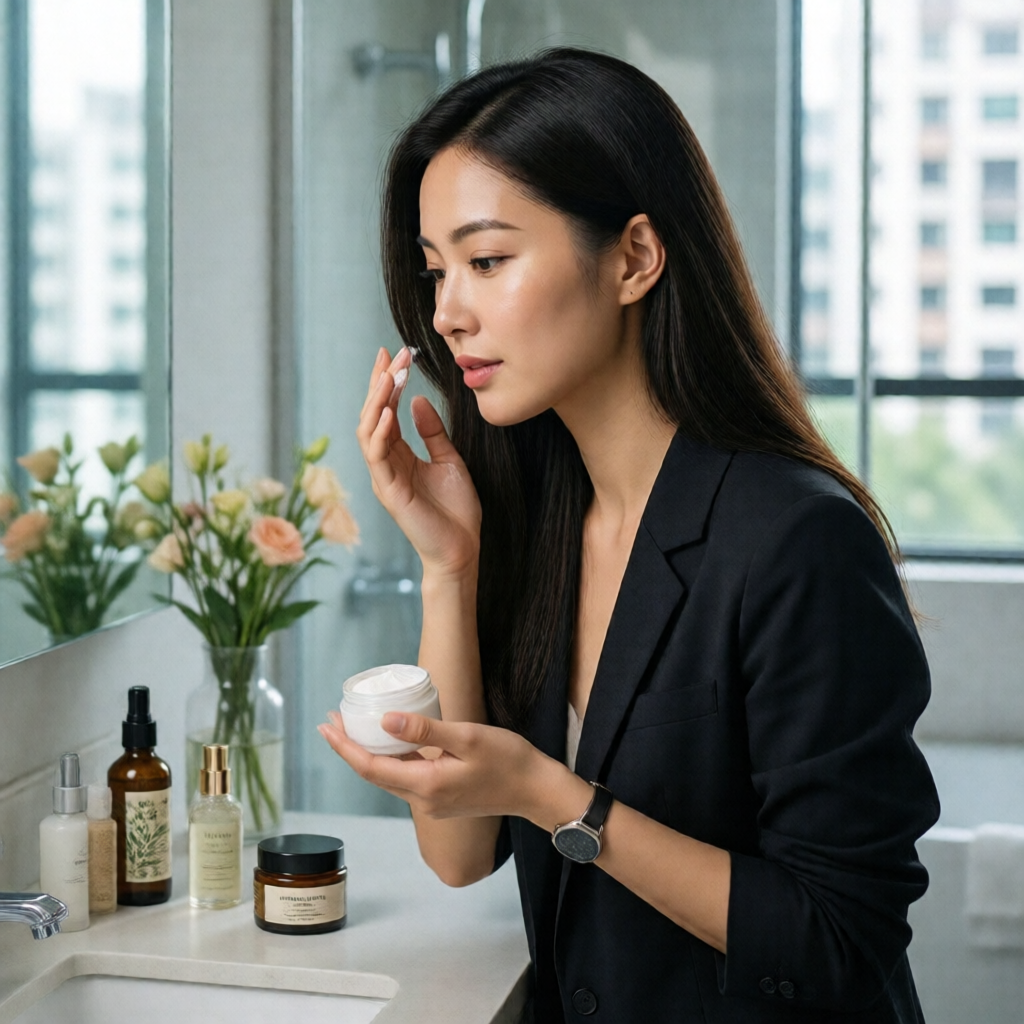
Natural vs Synthetic Skincare Which Is Better for Your Skin

Consumers today are becoming more conscious about what they apply to their skin. Many people want products made with fewer artificial ingredients and more naturally derived botanicals. Others simply want skincare that is gentle enough for daily use without unnecessary chemicals or fragrances.

The reality is that not every natural ingredient is automatically safe, and not every synthetic ingredient is harmful. What matters most is how the product is formulated and whether it supports healthy skin over the long term.

At Pureté Singapore, we believe effective skincare starts with carefully selected organic ingredients that work together to nourish the skin naturally while remaining suitable for Singapore’s tropical climate.


What Is Natural Skincare?

Natural skincare generally refers to products made primarily from ingredients derived from plants, minerals or other naturally occurring sources.

These ingredients may include:

  • Aloe vera
  • Green tea
  • Chamomile
  • Calendula
  • Rose water
  • Jojoba oil
  • Shea butter
  • Coconut-derived cleansers
  • Botanical extracts

Natural skincare focuses on supporting the skin rather than aggressively changing it.

Many organic formulations also avoid unnecessary synthetic fragrances, artificial colours and harsh detergents that may increase irritation.

For people seeking a simple daily routine, natural ingredients often provide hydration, antioxidant protection and barrier support in a gentle way.


What Is Synthetic Skincare?

Synthetic skincare uses ingredients manufactured or modified in laboratories.

Some synthetic ingredients are created to improve stability, preserve products safely, enhance texture or increase the effectiveness of active ingredients.

Examples include:

  • Synthetic preservatives
  • Artificial fragrance
  • Silicone-based ingredients
  • Laboratory-produced peptides
  • Synthetic emulsifiers

Not all synthetic ingredients are problematic.

Many are thoroughly researched and considered safe.

However, some synthetic additives exist primarily to improve shelf life, fragrance or appearance rather than provide benefits to the skin.

For people with sensitive skin, certain artificial fragrances, colours and harsh preservatives may increase the likelihood of irritation.


Are Natural Ingredients Always Better?

Not necessarily.

Nature produces many excellent skincare ingredients.

It also produces ingredients that can trigger allergies or irritation.

For example, some essential oils may cause reactions in sensitive skin despite being completely natural.

Likewise, some laboratory-created ingredients are extremely gentle and highly beneficial.

Instead of focusing only on whether an ingredient is natural or synthetic, ask these questions:

  • Does it support the skin barrier?
  • Is it suitable for daily use?
  • Is it appropriate for Singapore’s climate?
  • Is it present at an effective concentration?
  • Does it have a history of safe use?

Well-formulated skincare combines good science with carefully selected ingredients.

The best products are chosen because they benefit your skin—not because they sound fashionable.


Why Many People Prefer Organic Skincare

Organic skincare offers several advantages, particularly for people looking to simplify their routine.

Organic botanical ingredients are naturally rich in antioxidants, vitamins and plant nutrients that help support healthy skin.

Many certified organic formulations also minimise unnecessary ingredients that contribute little to skin health.

This often means fewer:

  • Artificial fragrances
  • Synthetic colourants
  • Harsh detergents
  • Drying alcohols

For people living in Singapore, where heat, humidity and pollution constantly challenge the skin barrier, gentle formulations can help reduce unnecessary irritation while maintaining healthy hydration.

If your skin frequently becomes red or uncomfortable, you may also benefit from reading Why Organic Skincare Is Better for Sensitive Skin in Singapore’s Climate, where we explain how supporting your skin barrier often produces better long-term results than using increasingly aggressive treatments.


Choosing Products for Singapore’s Climate

Climate matters far more than many people realise.

Products designed for dry European winters often contain heavier oils and waxes that can feel greasy in Singapore’s humidity.

Instead, look for lightweight organic formulations containing ingredients such as:

  • Aloe vera
  • Hyaluronic acid
  • Green tea
  • Centella asiatica
  • Jojoba oil
  • Squalane
  • Glycerin

These ingredients hydrate effectively while remaining comfortable in tropical weather.

A complete routine doesn’t need to be complicated.

Start with a hydrating toner suited to Singapore’s climate, follow with one lightweight serum, apply a suitable moisturiser, and finish with sunscreen every morning.


How to Read a Skincare Label

Ingredient lists can appear overwhelming at first, but learning a few basics helps you make better choices.

Ingredients are generally listed in descending order by concentration.

Look for beneficial ingredients appearing near the beginning of the list rather than only at the very end.

Be cautious of products that prominently advertise botanical ingredients while listing them after dozens of synthetic fillers.

Also pay attention to fragrance.

If fragrance appears high on the ingredient list, people with sensitive skin may wish to choose a gentler alternative.

Rather than focusing on marketing terms alone, evaluate the complete ingredient list and whether the formulation suits your skin type.


Final Thoughts

The question should not be whether skincare is completely natural or completely synthetic.

The better question is whether it helps your skin stay healthy.

For many people in Singapore, organic skincare provides a gentle, effective approach that supports the skin barrier while delivering hydration and antioxidant protection without unnecessary additives.

When combined with a simple daily routine and products formulated for tropical weather, carefully selected organic ingredients can help your skin remain balanced, comfortable and healthy throughout the year.

If you’re looking for naturally formulated skincare created for Singapore’s unique climate, explore Pureté Singapore’s organic skincare collection to discover gentle botanical products designed to nourish your skin every day.

Filed Under: organic skincare

Why Your Organic Skincare Products May Not Be Working (And How to Fix It)

July 26, 2026 by admin

Table of Contents

  1. Your Products May Not Be the Problem
  2. Why Results Take Longer Than Expected
  3. The Most Common Reasons Skincare Doesn’t Work
  4. Are You Using Too Many Products?
  5. Is Your Routine Suitable for Singapore’s Climate?
  6. Small Changes That Make a Big Difference
  7. When Should You Replace a Product?
  8. Final Thoughts

Your Products May Not Be the Problem

It is easy to blame your skincare products when your skin does not improve after a few weeks.

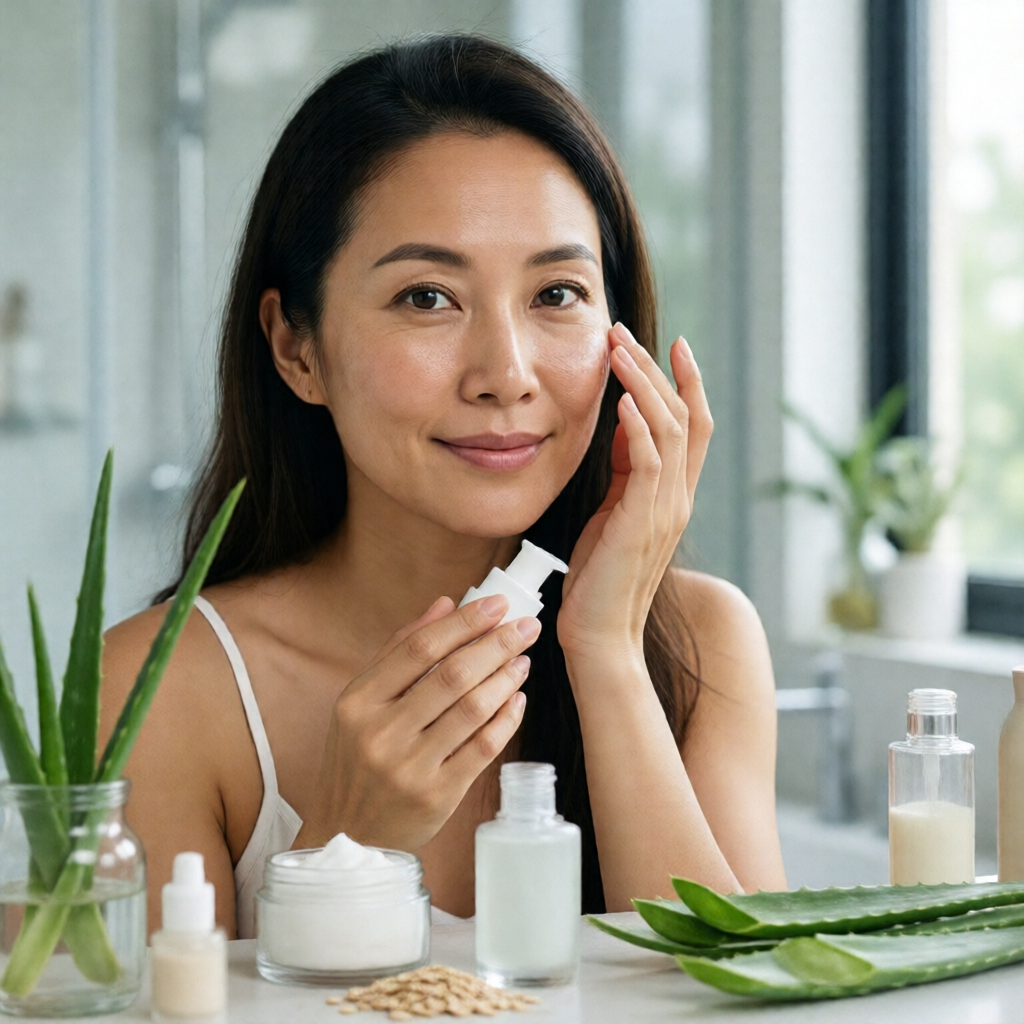
Why Your Organic Skincare Products May Not Be Working (And How to Fix It)

Perhaps your skin is still oily. Your pigmentation has not faded. Fine lines remain visible. Breakouts continue to appear.

The natural reaction is to buy another cleanser, another serum or another moisturiser.

However, in many cases, the products themselves are not the problem.

The real issue is often how they are being used, whether they suit Singapore’s climate, or whether your skin has been given enough time to improve.

Good skincare is rarely about finding a miracle product.

It is about building a routine that supports your skin every day.

At Pureté Singapore, we believe healthy skin comes from simple, natural routines built around carefully selected organic skincare products that work with Singapore’s tropical climate rather than against it.


Why Results Take Longer Than Expected

Healthy skin renews itself gradually.

Most people expect visible improvements within a week because skincare advertisements often promise rapid transformations.

In reality, your skin follows its own natural renewal cycle.

Hydration may improve within several days.

A damaged skin barrier often requires four to six weeks to recover.

Uneven pigmentation usually needs two to three months of consistent care.

Fine lines and improvements in skin texture develop gradually over several months.

Changing products every two weeks prevents your skin from fully adapting and makes it impossible to know whether a product is actually effective.

Patience is one of the most overlooked ingredients in skincare.


The Most Common Reasons Skincare Doesn’t Work

Inconsistent Routine

Skipping products whenever you feel tired or busy limits your results.

Healthy skin develops through daily habits, not occasional treatments.

Using Too Many Active Ingredients

More products do not necessarily produce better skin.

Multiple exfoliating acids, retinol, vitamin C and brightening treatments used together often overwhelm the skin barrier.

Choosing Products for the Wrong Climate

Many international skincare products are formulated for colder, drier environments.

Heavy creams and oil-rich formulations may feel comfortable overseas but become greasy and uncomfortable in Singapore’s humidity.

Poor Product Order

Applying products in the wrong sequence reduces their effectiveness.

Generally, skincare should progress from the lightest texture to the richest.

If you are unsure about layering products correctly, read our guide on How to Build a Simple Organic Skincare Routine That Actually Works in Singapore.


Are You Using Too Many Products?

Modern skincare routines have become increasingly complicated.

Many people own:

  • Two cleansers
  • Multiple toners
  • Three serums
  • Facial oils
  • Sleeping masks
  • Weekly masks
  • Spot treatments
  • Exfoliating acids
  • Retinol
  • Eye cream

Yet their skin continues to struggle.

Adding more products often increases irritation while making it difficult to identify what is causing problems.

Instead, simplify your routine.

Use a gentle cleanser.

Apply a hydrating toner designed for Singapore’s climate.

Choose one lightweight serum for your primary concern.

Finish with a suitable moisturiser and sunscreen.

Simple routines consistently outperform complicated ones.


Is Your Routine Suitable for Singapore’s Climate?

Singapore presents unique environmental challenges.

Daily UV exposure.

High humidity.

Frequent sweating.

Air-conditioning.

Urban pollution.

Products that work well in Europe, North America or colder Asian countries may not perform the same way here.

Heavy moisturisers can trap perspiration.

Oil-rich serums may leave your skin feeling sticky.

Strong exfoliants may further weaken an already stressed skin barrier.

Instead, choose lightweight formulations specifically suited to tropical weather.

Natural botanical ingredients such as aloe vera, centella asiatica, green tea and hyaluronic acid help support healthy skin without overwhelming it.

If your skin frequently becomes red or irritated, our guide on Why Organic Skincare Is Better for Sensitive Skin in Singapore’s Climate explains how supporting your skin barrier often delivers better long-term results than constantly introducing stronger treatments.


Small Changes That Make a Big Difference

Sometimes tiny adjustments produce surprisingly noticeable improvements.

Apply skincare immediately after cleansing rather than waiting several minutes.

Use clean hands instead of cotton pads when applying hydrating toner.

Allow each product to absorb before applying the next.

Apply moisturiser while your skin is still slightly damp.

Wear sunscreen every single morning, even when staying indoors.

Drink adequate water and maintain regular sleep habits.

Avoid touching your face throughout the day.

None of these changes require purchasing additional products.

They simply help your existing routine perform more effectively.


When Should You Replace a Product?

Not every product deserves a permanent place in your routine.

Consider replacing a product if:

  • It consistently causes irritation.
  • It feels too heavy for Singapore’s weather.
  • It leaves your skin excessively dry.
  • You have used it consistently for several months without any improvement.
  • It no longer matches your current skin concerns.

However, avoid replacing multiple products simultaneously.

Introduce one new product at a time so your skin can adjust properly.


Final Thoughts

When skincare does not deliver the results you expect, buying more products is rarely the answer.

More often, success comes from simplifying your routine, choosing products designed for Singapore’s tropical climate, and giving your skin enough time to respond.

A gentle cleanser, hydrating toner, lightweight serum, moisturiser and sunscreen remain the foundation of healthy skin.

Combined with carefully formulated organic ingredients and consistent daily use, this simple approach helps your skin become healthier naturally over time.

If you’re looking to build an effective skincare routine using high-quality botanical ingredients, explore the range of organic skincare products at Pureté Singapore to find solutions designed specifically for Singapore’s climate and everyday skin concerns.

Filed Under: organic skincare

How to Build a Simple Organic Skincare Routine That Actually Works in Singapore

July 23, 2026 by admin

Table of Contents

  1. Why Simplicity Wins in Skincare
  2. Why Singapore’s Climate Needs a Different Routine
  3. The Four Essential Steps
  4. Morning Routine
  5. Evening Routine
  6. Products You Probably Don’t Need
  7. How Long Before You See Results?
  8. Common Routine Mistakes
  9. Final Thoughts

Why Simplicity Wins in Skincare

Modern skincare has become increasingly complicated. Social media encourages ten-step routines filled with multiple serums, exfoliants, masks, facial oils, and trending active ingredients. While these routines may look impressive, they are rarely necessary.

How to Build a Simple Organic Skincare Routine That Actually Works in Singapore

For most people living in Singapore, a simple skincare routine performed consistently delivers better long-term results than an elaborate routine followed inconsistently.

Every additional product increases the chance of ingredient conflicts, irritation, unnecessary spending, and confusion about what is actually helping your skin.

Healthy skin depends far more on consistency than complexity.

The goal is not to use the most products—it is to use the right products.


Why Singapore’s Climate Needs a Different Routine

Singapore’s tropical climate presents challenges that many international skincare routines never address.

Throughout the day, your skin experiences:

  • High humidity
  • Strong UV exposure
  • Frequent sweating
  • Urban pollution
  • Constant transitions between outdoor heat and indoor air-conditioning

These environmental factors place continuous stress on your skin barrier.

Many skincare routines created in Europe, North America or colder Asian countries rely on rich creams and multiple heavy products designed for dry climates.

In Singapore, those same products may feel greasy, clog pores, and become uncomfortable after only a few minutes outdoors.

Your routine should focus on hydration, barrier support, lightweight textures and daily sun protection.


The Four Essential Steps

An effective organic skincare routine only requires four core products.

Step 1 – Gentle Cleanser

Removes sweat, sunscreen, oil and pollution without stripping the skin barrier.

Step 2 – Hydrating Toner

Replenishes moisture immediately after cleansing while preparing the skin for better absorption of later products.

If you have not chosen one yet, read our guide on What to Look for in a Hydrating Toner if You Live in a Tropical Climate to understand which ingredients work best in Singapore.

Step 3 – Lightweight Serum

Targets your biggest concern, whether that is dehydration, uneven skin tone, excess oil or skin barrier repair.

Our article Do You Really Need a Serum? A Singapore Guide to Lightweight Actives explains how to choose the right serum without overcomplicating your routine.

Step 4 – Moisturiser

Locks in hydration while strengthening your skin barrier.

Morning routines finish with sunscreen.

Evening routines end after moisturiser.

Everything else is optional.


Morning Routine

A simple morning routine should take less than five minutes.

Cleanse

Use a gentle organic cleanser to remove overnight oil and perspiration.

Avoid harsh foaming cleansers that leave your skin feeling tight.

Apply Hydrating Toner

Immediately after cleansing, apply a lightweight hydrating toner using clean hands.

This prevents moisture loss and improves absorption of the following products.

Apply Serum

Choose one serum based on your primary skin concern.

Avoid layering multiple serums unless there is a clear reason.

Moisturise

Apply a lightweight moisturiser suitable for Singapore’s climate.

It should absorb quickly without leaving any heavy residue.

Sunscreen

Finish with broad-spectrum SPF every morning.

No skincare routine is complete without daily UV protection.


Evening Routine

Your evening routine focuses on recovery.

Cleanse Thoroughly

Remove sunscreen, pollution, sweat and excess oil accumulated throughout the day.

If you wear heavy makeup, consider double cleansing.

Hydrating Toner

Replace moisture immediately after cleansing.

This prepares your skin for overnight repair.

Serum

Apply the same serum or a targeted evening treatment if appropriate.

There is usually no need to introduce multiple active ingredients.

Moisturiser

Seal everything in with your organic moisturiser.

Your skin performs much of its repair while you sleep, making this one of the most important steps of the day.


Products You Probably Don’t Need

The skincare industry constantly introduces new product categories.

Many are useful in specific situations, but few are essential.

Most people can safely skip:

  • Multiple serums
  • Daily exfoliating acids
  • Facial mists
  • Sleeping masks
  • Sheet masks every week
  • Facial oils for daytime use
  • Peel-off masks
  • Pore strips

These products are not necessarily ineffective.

They simply contribute far less to healthy skin than consistently using the four core products.

Spend your budget on better quality essentials rather than accumulating unnecessary extras.


How Long Before You See Results?

Healthy skin requires patience.

Hydration improvements may appear within a few days.

Barrier repair usually takes several weeks.

Pigmentation may require two to three months of consistent care.

Fine lines and texture improvements often develop gradually over several months.

Many people make the mistake of changing products every two weeks because they expect immediate transformation.

Instead, allow your routine enough time to work before making adjustments.

Consistency almost always produces better results than constantly chasing the latest trend.


Common Routine Mistakes

Even a simple routine can become ineffective if basic mistakes are repeated.

Common examples include:

Skipping moisturiser because skin feels oily.

Using too many active ingredients simultaneously.

Changing products too frequently.

Using products designed for colder climates.

Applying skincare in the wrong order.

Ignoring sunscreen every morning.

Over-cleansing after sweating.

Using harsh exfoliants several times every week.

If your skin becomes increasingly sensitive, simplify your routine rather than adding more products.

Our guide on Why Organic Skincare Is Better for Sensitive Skin in Singapore’s Climate explains why supporting your skin barrier should always come before treating individual concerns.


Final Thoughts

The best skincare routine is not the one with the most steps.

It is the one you can follow consistently every single day.

For most people living in Singapore, an effective routine consists of a gentle cleanser, hydrating toner, lightweight serum, moisturiser and sunscreen.

These few carefully selected products work together to maintain hydration, strengthen your skin barrier and protect against Singapore’s challenging tropical environment.

When each product has a clear purpose and is formulated for Singapore’s climate, you do not need a cabinet full of skincare. You simply need the right routine, performed consistently, to achieve healthier skin over the long term.

Filed Under: organic skincare

Why Organic Skincare Is Better for Sensitive Skin in Singapore’s Climate

July 19, 2026 by admin

Table of Contents

  1. Why Sensitive Skin Is Increasing in Singapore
  2. What Makes Skin Sensitive?
  3. Why Singapore’s Climate Makes Sensitivity Worse
  4. The Problem with Conventional Skincare
  5. Why Organic Skincare Is Different
  6. Ingredients That Calm Sensitive Skin Naturally
  7. Ingredients Sensitive Skin Should Avoid
  8. How to Build a Gentle Organic Routine
  9. Common Mistakes That Keep Sensitive Skin Irritated
  10. Final Thoughts

Why Sensitive Skin Is Increasing in Singapore

Sensitive skin has become one of the most common skincare concerns in Singapore. Many people who never considered themselves to have sensitive skin now experience redness, stinging, dryness, itchiness, or unexpected breakouts after using products that previously caused no problems.

Why Organic Skincare Is Better for Sensitive Skin in Singapore's Climate

Part of this increase comes from modern skincare trends. Today’s consumers use more products than ever before—multiple cleansers, exfoliating acids, retinol, vitamin C, toners, serums, masks, and spot treatments. While each product may promise better skin, combining too many active ingredients often weakens the skin’s natural protective barrier.

Singapore’s environment adds another challenge. Every day, skin experiences intense UV exposure, high humidity, pollution, perspiration, and repeated transitions between outdoor heat and cold indoor air-conditioning. This constant environmental stress gradually weakens even healthy skin.

When the skin barrier becomes compromised, almost every product begins to sting. Even water can feel uncomfortable.

This is why restoring skin health—not simply treating symptoms—has become increasingly important.


What Makes Skin Sensitive?

Sensitive skin is not actually a skin type.

Instead, it describes skin whose protective barrier has become less effective.

Healthy skin acts like a brick wall. Skin cells form the bricks while natural lipids function as the mortar holding everything together. This barrier keeps moisture inside while preventing irritants, bacteria, allergens, and pollutants from entering.

When this barrier weakens, several things happen simultaneously.

Moisture escapes more easily.

Environmental irritants penetrate deeper.

Inflammation becomes easier to trigger.

The skin’s nerve endings become more exposed, causing burning and stinging sensations.

People often assume they suddenly became allergic to skincare products when, in reality, their barrier simply became too damaged to tolerate ingredients that previously caused no issues.

Repairing this barrier should always be the first priority.


Why Singapore’s Climate Makes Sensitivity Worse

Living in Singapore creates unique challenges for sensitive skin that many global skincare brands fail to address.

Outdoor temperatures regularly exceed 32°C while humidity remains above 80 percent.

Inside shopping malls, offices and public transport, powerful air-conditioning removes moisture from the air.

Your skin may transition between these two environments dozens of times every day.

Each transition forces your skin to rapidly adjust its moisture balance.

At the same time, ultraviolet radiation generates free radicals that slowly damage skin cells.

Air pollution deposits microscopic particles onto the skin surface, contributing to oxidative stress.

Sweat mixes with sebum, sunscreen and environmental debris, increasing the need for cleansing.

Frequent cleansing, however, can further weaken the skin barrier if harsh products are used.

This cycle repeats every single day.

The result is skin that remains in a constant state of mild inflammation.

Organic skincare that focuses on supporting the barrier rather than aggressively treating the skin is particularly valuable under these conditions.


The Problem with Conventional Skincare

Many conventional skincare products prioritise immediate cosmetic results over long-term skin health.

Foaming cleansers create the satisfying feeling of deep cleansing but often remove protective lipids.

Alcohol-based toners feel refreshing but accelerate moisture loss.

Synthetic fragrance makes products smell luxurious but contributes nothing to skin health while increasing irritation risk.

Strong preservatives extend shelf life but may trigger reactions in already compromised skin.

Artificial colours improve appearance but offer no skincare benefit whatsoever.

Many products also contain multiple active ingredients at high concentrations.

Consumers often assume stronger products work better.

In reality, skin rarely benefits from constant exposure to powerful exfoliating acids, retinoids and high-dose actives without adequate recovery.

For sensitive skin, gentler formulations consistently outperform aggressive routines.


Why Organic Skincare Is Different

Organic skincare takes a fundamentally different approach.

Instead of forcing rapid changes through aggressive ingredients, organic formulations focus on helping the skin restore its natural balance.

Plant-based ingredients contain complex combinations of vitamins, antioxidants, amino acids and natural lipids that support multiple skin functions simultaneously.

Organic aloe vera hydrates while calming inflammation.

Chamomile helps reduce redness.

Calendula encourages skin recovery.

Green tea provides antioxidant protection.

Instead of relying heavily on synthetic fragrances, artificial colours and unnecessary fillers, many certified organic formulations minimise ingredients that commonly trigger irritation.

This simpler ingredient philosophy reduces the chance of overwhelming already sensitive skin.

Organic skincare does not mean every natural ingredient is automatically safe.

Essential oils, for example, can still irritate some individuals.

The best organic skincare combines naturally derived ingredients with evidence-based formulation rather than simply replacing synthetic ingredients with botanical alternatives.


Ingredients That Calm Sensitive Skin Naturally

Certain natural ingredients consistently perform well for sensitive skin living in Singapore.

Aloe Vera

Aloe vera provides immediate hydration while reducing inflammation.

It absorbs quickly without leaving a greasy finish, making it ideal for humid climates.

Oat Extract

Colloidal oatmeal helps soothe itching, redness and irritation.

It supports the skin barrier while reducing water loss.

Centella Asiatica

Centella has become one of the most researched botanical ingredients for barrier repair.

It encourages healing while reducing inflammation.

Calendula

Calendula extract has long been used to calm irritated skin.

It supports recovery after sun exposure and environmental stress.

Chamomile

Chamomile provides anti-inflammatory compounds that reduce redness and calm reactive skin.

Green Tea

Rich in polyphenols, green tea helps protect against oxidative stress caused by UV exposure and pollution.

Jojoba Oil

Although technically a wax ester rather than an oil, jojoba closely resembles the skin’s natural sebum.

It moisturises without feeling heavy or clogging pores.


Ingredients Sensitive Skin Should Avoid

Some ingredients appear frequently in skincare yet commonly trigger irritation.

These include:

  • Alcohol Denat
  • Synthetic fragrance
  • Artificial colouring
  • High concentrations of glycolic acid
  • Excessive salicylic acid
  • Harsh physical scrubs
  • Sulfates in cleansers
  • High concentrations of essential oils
  • Multiple exfoliating acids used together

Avoiding these ingredients often produces greater improvement than continuously adding new soothing products.

Sometimes the best skincare routine simply removes what is damaging the skin.


How to Build a Gentle Organic Routine

Sensitive skin benefits from consistency rather than complexity.

A practical routine includes only a few carefully selected products.

Morning

  1. Gentle organic cleanser
  2. Hydrating toner
  3. Lightweight calming serum
  4. Moisturiser
  5. Broad-spectrum sunscreen

Evening

  1. Gentle cleanser
  2. Hydrating toner
  3. Barrier-repair serum
  4. Nourishing moisturiser

Once your skin barrier becomes healthy again, you can gradually introduce targeted treatments if needed.

However, many people discover they no longer require complicated routines once inflammation has settled.


Common Mistakes That Keep Sensitive Skin Irritated

Many people unknowingly prolong sensitivity through everyday habits.

Changing skincare too frequently prevents the skin from adapting.

Testing several new products simultaneously makes it impossible to identify the true cause of irritation.

Over-cleansing strips away protective oils.

Skipping moisturiser because skin feels oily often worsens dehydration.

Exfoliating multiple times each week weakens the barrier further.

Ignoring sunscreen allows UV damage to continuously trigger inflammation.

Using products recommended by influencers without considering Singapore’s tropical climate often results in routines designed for completely different environments.

Healthy skin rarely comes from following trends.

It comes from understanding what your skin actually needs.


Final Thoughts

Sensitive skin is becoming increasingly common in Singapore, but it does not have to become permanent.

Most sensitivity develops because the skin barrier has been gradually weakened by environmental stress, over-treatment, and products containing unnecessary irritants.

Organic skincare offers a gentler approach by supporting the skin’s natural repair processes instead of forcing rapid change through harsh ingredients.

Combined with a simple, consistent routine designed for Singapore’s tropical climate, carefully formulated organic products can help restore hydration, strengthen the skin barrier, reduce redness, and improve long-term skin resilience.

Healthy skin is rarely achieved through using more products. More often, it comes from choosing better ones.

Filed Under: organic skincare

  • « Go to Previous Page
  • Page 1
  • Page 2
  • Page 3
  • Page 4
  • Interim pages omitted …
  • Page 20
  • Go to Next Page »

Pureté offers a luxurious experience that nurtures and enhances your skin’s natural radiance.

Useful Links

Privacy Policy
Terms of Service
Shipping & Delivery
FAQs
Disclaimers

Our Products

1. Cleanser
2. Serum
3. Day Cream
4. Toner

©2025. Pureté All Rights Reserved.