• Skip to primary navigation
  • Skip to main content
  • HOME
  • SHOP
    • Cleanser
    • Serum
    • Day Cream
    • Toner
  • OUR STORY
  • BLOG
  • HOME
  • SHOP
    • Cleanser
    • Serum
    • Day Cream
    • Toner
  • OUR STORY
  • BLOG

organic skincare

Beginner’s Guide to Reading Organic Skincare Certifications

February 7, 2026 by admin

Table of Contents

  1. Introduction
  2. Why Organic Skincare Certifications Matter
  3. The Difference Between Organic, Natural, and Clean Labels
  4. Major Organic Skincare Certifications Explained
  5. How Certification Standards Protect Consumers
  6. Understanding Ingredient Percentages
  7. How to Read Certification Labels on Packaging
  8. Common Misleading Marketing Terms
  9. Choosing Certified Products for Your Skin Type
  10. Mistakes Consumers Make When Buying Organic Skincare
  11. How Certifications Support Sustainable Beauty
  12. Conclusion

Introduction

As organic beauty becomes increasingly popular, many consumers face confusion when trying to understand what truly qualifies as organic skincare. Words like “natural,” “clean,” and “eco-friendly” appear everywhere, yet not all products meet verified standards.
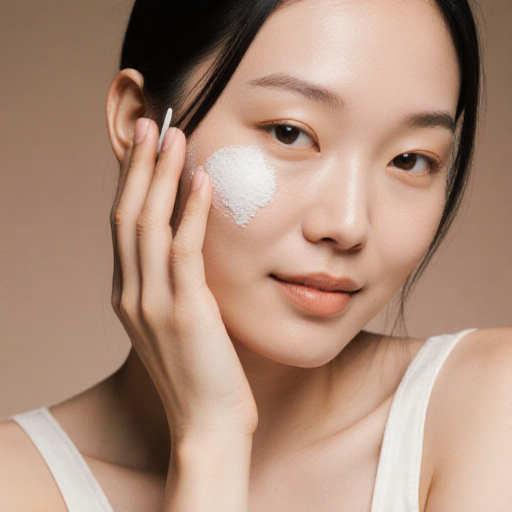
Beginner’s Guide to Reading Organic Skincare Certifications

Learning how to read certifications helps you confidently choose authentic organic skincare products that are safe, transparent, and genuinely beneficial for your skin. Certifications act as trusted third-party verification, ensuring brands follow strict ingredient sourcing and production guidelines.


Why Organic Skincare Certifications Matter

Organic skincare certifications exist to protect consumers from misleading marketing claims. Without certification standards, any brand could label a product “natural” or “green” without proof.

Certified organic products typically guarantee:

  • Restricted use of synthetic chemicals
  • Responsible ingredient sourcing
  • Environmentally friendly production
  • Ethical farming practices
  • Transparency in labeling

These standards ensure the product supports both skin health and environmental sustainability.


The Difference Between Organic, Natural, and Clean Labels

One of the biggest misconceptions is assuming these terms mean the same thing.

Organic Skincare
Contains ingredients grown without synthetic pesticides, herbicides, or GMOs and verified by certification bodies.

Natural Skincare
Derived from natural sources but may still include processed or synthetic components.

Clean Beauty
Marketing term suggesting safer ingredients but without standardized regulation.

Understanding these distinctions prevents consumers from paying premium prices for products that may not meet true organic standards.


Major Organic Skincare Certifications Explained

Several international certification organizations regulate organic skincare production.

COSMOS Organic

COSMOS is one of the most recognized global standards in Europe. Products must contain a high percentage of organic ingredients and follow strict environmental rules.

Key requirements:

  • Minimum organic ingredient percentage
  • Sustainable packaging expectations
  • Eco-conscious manufacturing processes

Ecocert

Ecocert certification ensures transparency across ingredient sourcing, formulation, and manufacturing.

Certified products must:

  • Use renewable resources
  • Avoid harmful petrochemicals
  • Maintain biodegradable formulations

USDA Organic

Originally developed for food products, USDA Organic certification also applies to skincare.

Certification levels include:

  • 100% Organic
  • Organic (95% organic ingredients)
  • Made with Organic Ingredients (70% minimum)

Soil Association Certification

Widely respected in the UK, this certification evaluates ethical sourcing, sustainability, and ingredient integrity.


How Certification Standards Protect Consumers

Certification bodies perform independent audits and inspections. Brands must submit ingredient documentation, supplier verification, and manufacturing details before approval.

This process ensures:

  • Ingredient traceability
  • Honest labeling
  • Reduced exposure to harmful substances
  • Greater consumer trust

Unlike marketing claims, certified products undergo continuous monitoring to maintain compliance.


Understanding Ingredient Percentages

Many shoppers misunderstand organic labeling percentages.

A product labeled “made with organic ingredients” does not necessarily mean fully organic.

Typical certification tiers include:

Label TypeOrganic Content Requirement
100% OrganicEntire formula organic
Certified OrganicMinimum 95% organic ingredients
Made with Organic IngredientsAt least 70% organic content
NaturalNo verified requirement

Reading ingredient percentages allows consumers to distinguish premium organic products from partially organic formulations.


How to Read Certification Labels on Packaging

When examining skincare packaging, look for:

  • Official certification logos
  • Ingredient list transparency
  • Botanical names (Latin names)
  • Clear percentage disclosures

Authentic certification logos are usually printed clearly on product labels. If certification information is missing, the product may rely solely on marketing terminology.


Common Misleading Marketing Terms

Many brands use attractive wording that sounds organic but lacks verification.

Watch out for phrases such as:

  • “Inspired by nature”
  • “Botanical blend”
  • “Green formula”
  • “Eco beauty”
  • “Pure ingredients”

These terms are not regulated certifications. Always verify official certification symbols rather than trusting branding language alone.

Understanding labeling practices complements learning how to read product labels like a professional, especially when evaluating ingredient transparency in organic beauty products.


Choosing Certified Products for Your Skin Type

Certification confirms ingredient quality, but choosing the right formulation still depends on your skin’s needs.

Sensitive Skin
Look for fragrance-free certified products with calming botanicals.

Oily or Acne-Prone Skin
Choose lightweight formulations containing balancing plant extracts.

Dry or Mature Skin
Prioritize certified oils, antioxidants, and nourishing botanical ingredients.

Certifications ensure ingredient integrity, but matching products to skin type maximizes effectiveness.


Mistakes Consumers Make When Buying Organic Skincare

Assuming Higher Price Means Certified

Premium pricing does not guarantee certification.

Ignoring Ingredient Lists

Even certified products vary in suitability for different skin concerns.

Following Trends Instead of Needs

Popular ingredients may not benefit every skin type.

Overlooking Expiry and Storage

Organic formulations often contain fewer preservatives and should be stored properly.

Avoiding these mistakes helps consumers build a reliable and effective skincare routine.


How Certifications Support Sustainable Beauty

Organic certifications extend beyond skincare benefits. They promote environmental responsibility and ethical production practices.

Certified brands often support:

  • Soil preservation
  • Biodiversity protection
  • Reduced chemical pollution
  • Cruelty-free testing standards
  • Sustainable agriculture

By choosing certified products, consumers indirectly contribute to healthier ecosystems while improving personal skin health.


Conclusion

Understanding organic skincare certifications empowers consumers to make informed decisions in a crowded beauty market. Certifications provide reliable proof that products meet strict standards for ingredient purity, sustainability, and ethical production.

Rather than relying on marketing claims alone, learning to recognize certification labels allows you to confidently select authentic organic skincare products aligned with both skin wellness and environmental values.

With proper knowledge of certification systems, ingredient percentages, and labeling practices, anyone can navigate the organic beauty industry with clarity and confidence.
Filed Under: organic skincare

How Long Does Organic Skincare Take to Show Results?

February 4, 2026 by admin

Table of Contents

  1. Introduction
  2. Why Organic Skincare Works Differently
  3. Understanding the Skin Renewal Cycle
  4. Typical Timeline for Visible Results
  5. Factors That Influence Skincare Results
  6. What Improvements to Expect at Each Stage
  7. Common Mistakes That Delay Results
  8. How to Speed Up Organic Skincare Progress Safely
  9. Signs Your Organic Skincare Routine Is Working
  10. When to Adjust Your Routine
  11. Conclusion

Introduction

Many people switch to organic skincare expecting immediate transformation, only to feel disappointed when results do not appear overnight. Unlike conventional products formulated for instant cosmetic effects, organic formulations focus on supporting the skin’s natural healing and renewal processes.

How Long Does Organic Skincare Take to Show Results

Understanding how long organic skincare takes to show results helps set realistic expectations and encourages consistency. Skin health improves gradually, and sustainable results often require patience, proper product selection, and daily commitment.

When choosing an effective organic skincare routine, it is important to recognize that true skin improvement happens beneath the surface before it becomes visible externally.


Why Organic Skincare Works Differently

Organic skincare products prioritize long-term skin health rather than short-term visual correction. Many conventional products rely on synthetic fillers, silicones, or harsh exfoliants that temporarily smooth or brighten the skin.

Organic formulations instead work by:

  • Supporting the skin barrier
  • Delivering plant-based nutrients
  • Reducing inflammation naturally
  • Encouraging balanced oil production
  • Protecting the microbiome

Because these processes restore skin function rather than masking concerns, improvements tend to appear progressively instead of instantly.


Understanding the Skin Renewal Cycle

One of the most important factors affecting skincare results is the skin’s natural renewal cycle.

Human skin regenerates approximately every 28 to 40 days, depending on age, lifestyle, and overall health. New skin cells form in deeper layers and gradually move upward before becoming visible on the surface.

This means:

  • Week 1 results are mostly internal adjustments.
  • Real visible changes usually occur after one full renewal cycle.
  • Long-term improvements build over several cycles.

Expecting dramatic results within a few days often leads people to abandon routines prematurely.


Typical Timeline for Visible Results

While everyone’s skin responds differently, most people experience a predictable progression when transitioning to organic skincare.

Week 1–2: Adjustment Phase

During the first two weeks, the skin adapts to new ingredients.

Possible experiences include:

  • Slight dryness or oil balancing
  • Minor breakouts as pores clear
  • Increased hydration absorption

This stage is sometimes mistaken for products “not working,” but it is actually part of the adjustment process.


Week 3–4: First Visible Improvements

After one skin cycle, early results may include:

  • Improved hydration
  • Softer texture
  • Reduced irritation
  • More balanced oil levels

Complexion often begins looking calmer rather than dramatically different.


Week 5–8: Noticeable Skin Changes

Consistency begins to pay off during this phase.

You may observe:

  • Brighter skin tone
  • Reduced redness
  • Fewer breakouts
  • Improved elasticity

Many users report that friends or family start noticing positive changes at this stage.


Month 3 and Beyond: Long-Term Transformation

Sustained use produces deeper benefits:

  • Strengthened skin barrier
  • More even pigmentation
  • Smoother fine lines
  • Healthier overall glow

Organic skincare excels in delivering lasting improvements rather than temporary cosmetic effects.


Factors That Influence Skincare Results

Several variables determine how quickly results appear.

1. Skin Type

Oily skin may rebalance faster, while sensitive or damaged skin requires longer healing periods.

2. Age

Younger skin renews faster. Mature skin may need additional time but often benefits significantly from gentle botanical ingredients.

3. Lifestyle Habits

Sleep quality, hydration, diet, and stress levels directly influence skin recovery.

4. Product Consistency

Skipping routines or frequently changing products slows progress dramatically.

5. Existing Skin Conditions

Acne, rosacea, or barrier damage can extend the adjustment period before visible improvements emerge.


What Improvements to Expect at Each Stage

Organic skincare improvements often follow a predictable pattern:

TimelineExpected ChangesWhat It Means
2 WeeksSkin feels calmerBarrier adapting
4 WeeksTexture improvesRenewal cycle completed
6–8 WeeksTone evens outInflammation reduced
12 WeeksGlow and firmnessSkin health restored

These gradual developments signal genuine biological improvement rather than superficial correction.


Common Mistakes That Delay Results

Many people unknowingly slow their progress.

Switching Products Too Quickly

Changing routines before completing a full skin cycle prevents accurate evaluation.

Over-Exfoliating

Natural ingredients still require balance. Excess exfoliation weakens the skin barrier.

Using Too Many Products

Minimal, consistent routines often outperform complicated multi-step systems.

Expecting Instant Results

Organic skincare emphasizes healing, not cosmetic masking.

For guidance on building a balanced routine, understanding proper product layering can help prevent setbacks. You may refer to this detailed guide on layering products effectively:
https://purete.sg/organic-skincare/the-ultimate-guide-to-layering-organic-skincare-products-for-maximum-effectiveness/


How to Speed Up Organic Skincare Progress Safely

While results cannot be rushed dramatically, certain habits support faster improvement.

Maintain consistency
Use products morning and night without skipping steps.

Support skin internally
Hydration, nutrition, and adequate sleep enhance cellular renewal.

Protect your skin from sun exposure
UV damage slows repair and reverses progress.

Avoid harsh treatments during transition
Allow natural ingredients time to rebalance the skin.


Signs Your Organic Skincare Routine Is Working

Even before dramatic visual changes, subtle indicators suggest success:

  • Skin feels comfortable without tightness
  • Makeup applies more smoothly
  • Breakouts heal faster
  • Reduced sensitivity
  • Natural glow without heavy products

These signals show improved skin function, which is the true goal of organic skincare.


When to Adjust Your Routine

If no improvement appears after 8 to 12 weeks, consider adjustments.

You may need to:

  • Switch formulations for your skin type
  • Reduce active ingredients
  • Introduce targeted treatments slowly
  • Simplify your routine

However, avoid frequent experimentation. Stability allows the skin to rebuild resilience effectively.


Conclusion

Organic skincare delivers results through restoration rather than quick cosmetic fixes. While patience is necessary, the long-term rewards often include healthier, stronger, and more balanced skin.

Most people begin seeing noticeable improvements within four to eight weeks, with significant transformation appearing after several months of consistent care. By understanding the natural skin renewal cycle and maintaining realistic expectations, users can fully appreciate the gradual yet powerful benefits of organic skincare.

Consistency, gentle care, and time remain the true foundations of lasting skin health.

Filed Under: organic skincare

How to Build a Minimalist Skincare Routine with Natural Ingredients

January 29, 2026 by admin

In 2026, minimalist skincare is more than a trend—it’s a philosophy. By focusing on essential, high-quality natural ingredients, you can simplify your routine while achieving healthier, radiant skin. A minimalist approach reduces the risk of irritation, saves time, and ensures that every product serves a clear purpose.

How to Build a Minimalist Skincare Routine with Natural Ingredients

Table of Contents

  1. What Is a Minimalist Skincare Routine?
  2. Benefits of Minimalist Skincare
  3. Key Principles for Choosing Natural Ingredients
  4. Essential Steps in a Minimalist Routine
  5. Optional Add-Ons for Targeted Care
  6. Tips for Maintaining Consistency
  7. Mistakes to Avoid in Minimalist Skincare
  8. Conclusion

1. What Is a Minimalist Skincare Routine?

Minimalist skincare focuses on using fewer, highly effective products that address your skin’s core needs. Instead of layering numerous serums and creams, the routine prioritizes quality over quantity. Minimalist routines often rely on natural, plant-based ingredients that are gentle yet powerful.


2. Benefits of Minimalist Skincare

  • Reduces irritation: Fewer products mean less chance of reactions.
  • Saves time and money: Simplifying routines cuts unnecessary purchases.
  • Supports skin health: Encourages natural balance without overloading the skin.
  • Environmentally friendly: Less packaging and waste.

Minimalist skincare encourages mindful choices and focuses on ingredients that truly benefit your skin.


3. Key Principles for Choosing Natural Ingredients

When selecting natural ingredients for a minimalist routine:

  • Multi-functional ingredients: Use items like aloe vera (hydrates and soothes) or green tea (antioxidant and anti-inflammatory).
  • Gentle yet effective actives: Avoid harsh chemicals or unnecessary additives.
  • Sustainably sourced: Choose brands that prioritize ethical sourcing and environmental responsibility.
  • Skin type compatibility: Match ingredients to your specific skin needs (dry, oily, sensitive, or combination).

These principles help you create a routine that is simple, effective, and safe.


4. Essential Steps in a Minimalist Routine

Step 1: Cleanser

Use a gentle natural cleanser, such as one with aloe vera, oatmeal, or chamomile, to remove impurities without stripping natural oils.

Step 2: Moisturizer

A lightweight moisturizer with ingredients like jojoba oil or shea butter maintains hydration and strengthens the skin barrier.

Step 3: Sunscreen

A broad-spectrum natural sunscreen protects against UV damage, a key contributor to premature aging.

Optional serums or treatments can be incorporated for specific concerns, but the focus remains on simplicity.


5. Optional Add-Ons for Targeted Care

  • Antioxidant serum: Green tea or vitamin C serums help combat free radical damage.
  • Hydrating mask: Aloe vera or honey masks for extra moisture once or twice a week.
  • Spot treatment: Tea tree oil or calendula-based treatments for acne-prone areas.

Minimalist routines only add products when there is a clear, targeted purpose.


6. Tips for Maintaining Consistency

  • Stick to the essential steps daily to build a habit.
  • Monitor how your skin responds and adjust products accordingly.
  • Avoid changing multiple products at once to identify what works best.
  • Store products in a cool, dry place to maintain ingredient potency.

Consistency and simplicity are key to achieving long-term results.


7. Mistakes to Avoid in Minimalist Skincare

  • Overloading with unnecessary products: Even natural ingredients can irritate if overused.
  • Skipping sunscreen: UV protection is non-negotiable for healthy skin.
  • Ignoring hydration: A moisturizer suited to your skin type is essential.
  • Neglecting gentle cleansing: Over-cleansing can strip natural oils and compromise the skin barrier.

Avoiding these mistakes ensures that your minimalist approach remains effective.


8. Conclusion

A minimalist skincare routine with natural ingredients provides an effective, gentle, and sustainable approach to healthy skin. By focusing on essential steps and multi-functional, plant-based ingredients, you can simplify your routine while maintaining hydration, protection, and skin balance.

For guidance on building a natural, minimalist routine tailored to your skin, explore Minimalist Skincare with Natural Ingredients.

Filed Under: organic skincare

Understanding the Difference Between Organic Skincare and Natural Skincare

January 25, 2026 by admin

With the growing popularity of clean beauty, many consumers encounter the terms organic skincare and natural skincare. While they may seem interchangeable, there are important differences in how products are formulated, certified, and regulated. Understanding these distinctions in 2026 helps you make informed choices for healthy, effective skincare routines.


Table of Contents

  1. What Is Natural Skincare?
  2. What Is Organic Skincare?
  3. Key Differences Between Organic and Natural Products
  4. Certifications and Regulatory Standards
  5. Benefits of Choosing Organic Skincare
  6. How to Choose Between Organic and Natural Skincare
  7. Common Misconceptions
  8. Conclusion

1. What Is Natural Skincare?

Natural skincare products are made from ingredients sourced from plants, minerals, or other naturally occurring substances. Common natural ingredients include:

  • Aloe vera
  • Chamomile
  • Coconut oil
  • Green tea extract

However, natural skincare does not require certification, meaning formulations may still include synthetic preservatives, fragrances, or additives alongside natural ingredients. The focus is primarily on using naturally derived ingredients rather than strict ingredient purity.


2. What Is Organic Skincare?

Organic skincare products must meet stringent criteria regarding ingredient sourcing and production. Key aspects include:

  • Ingredients grown without synthetic pesticides, herbicides, or GMOs
  • Minimal processing to retain natural properties
  • Compliance with organic certification standards, such as USDA Organic, COSMOS, or Ecocert

Organic products often emphasize purity and sustainability, ensuring that both the ingredients and the final product maintain integrity.


3. Key Differences Between Organic and Natural Products

FeatureNatural SkincareOrganic Skincare
Ingredient sourcingDerived from nature, may include syntheticsCertified organic ingredients, no synthetic pesticides or GMOs
CertificationNot requiredRequired (USDA, COSMOS, Ecocert)
Environmental impactVaries depending on ingredient sourcingTypically lower due to sustainable practices
Product purityMay contain synthetic additivesFocus on high purity with minimal processing
CostOften more affordableMay be premium due to certification and sourcing

Understanding these distinctions ensures you select products that align with your ethical, environmental, and skincare goals.


4. Certifications and Regulatory Standards

Certifications provide a reliable way to differentiate products:

  • USDA Organic: Ensures at least 95% organic ingredients
  • COSMOS Organic: European standard with strict ingredient criteria
  • Ecocert: Internationally recognized certification for organic and natural products

Always check product labels and certification logos to verify claims.


5. Benefits of Choosing Organic Skincare

Organic skincare offers several advantages over standard natural products:

  1. Reduced chemical exposure: No synthetic pesticides or GMOs
  2. Higher potency of active ingredients: Minimal processing preserves botanical benefits
  3. Environmental sustainability: Organic farming methods reduce pollution and support biodiversity
  4. Transparency: Certifications and ingredient sourcing provide peace of mind

These benefits make organic skincare an attractive option for health-conscious and environmentally aware consumers.


6. How to Choose Between Organic and Natural Skincare

When deciding between the two:

  • Consider your skin needs: Sensitive or reactive skin may benefit more from certified organic products.
  • Check ingredient lists: Look for key botanicals and avoid unnecessary synthetics.
  • Evaluate ethical priorities: Organic certifications often indicate a commitment to sustainability and cruelty-free practices.
  • Budget: Natural skincare can be more accessible, while organic products may carry a premium cost.

Selecting products that align with your values and skin requirements ensures long-term satisfaction and skin health.


7. Common Misconceptions

  • “Natural is the same as organic” – Not true; natural products may still contain synthetic ingredients.
  • “Organic always works better” – Effectiveness depends on formulation and active ingredients, not just certification.
  • “All natural products are safe for sensitive skin” – Some natural ingredients, like essential oils, can cause irritation.
  • “Organic products are always cruelty-free” – Most are, but it’s important to verify certifications for ethical standards.

Clearing these misconceptions helps consumers make informed and confident choices.


8. Conclusion

Understanding the difference between organic and natural skincare empowers you to select products that are safe, effective, and aligned with your values. Organic skincare offers higher ingredient purity, sustainability, and transparency, while natural skincare provides gentle plant-based options at a broader range of price points.

For a comprehensive guide on choosing the right products for your skin, explore Organic vs Natural Skincare.


Filed Under: organic skincare

How to Choose Cruelty-Free Organic Skincare Brands That Actually Work

January 22, 2026 by admin

Choosing cruelty-free organic skincare is becoming increasingly important for conscious consumers. In 2026, more people are seeking products that are effective, gentle on the skin, and ethically produced. With so many brands on the market, it can be challenging to determine which products truly meet cruelty-free and organic standards while delivering real results.

How to Choose Cruelty-Free Organic Skincare Brands That Actually Work

Table of Contents

  1. What “Cruelty-Free” Really Means
  2. Understanding Organic Certifications
  3. Key Ingredients to Look For
  4. How to Verify a Brand’s Cruelty-Free Claims
  5. Evaluating Product Effectiveness
  6. Tips for Building a Cruelty-Free Skincare Routine
  7. Common Misconceptions About Cruelty-Free Organic Products
  8. Conclusion

1. What “Cruelty-Free” Really Means

Cruelty-free skincare products are those that are not tested on animals at any stage of development. This includes ingredients, formulas, and final products. Look for certifications from recognized organizations such as:

  • Leaping Bunny
  • PETA’s Beauty Without Bunnies
  • Choose Cruelty-Free (CCF)

A cruelty-free label ensures ethical practices, but it does not automatically guarantee that a product is organic or effective.


2. Understanding Organic Certifications

Organic skincare uses ingredients grown without synthetic pesticides, GMOs, or harmful chemicals. Certifications to look for include:

  • USDA Organic
  • COSMOS Organic
  • Ecocert

These certifications verify that the product contains a significant percentage of organic ingredients, providing cleaner, safer formulations for your skin.


3. Key Ingredients to Look For

Effective cruelty-free organic skincare often includes potent plant-based actives:

  • Aloe Vera: Hydrates and soothes skin naturally
  • Rosehip Oil: Supports collagen production and elasticity
  • Green Tea Extract: Antioxidant-rich to protect against environmental stress
  • Chamomile & Calendula: Calm irritation and sensitive skin
  • Jojoba & Argan Oil: Provide moisture without clogging pores

Selecting products with science-backed ingredients ensures you get both ethical and effective skincare.


4. How to Verify a Brand’s Cruelty-Free Claims

  • Check official certifications: Look for Leaping Bunny or PETA logos on packaging.
  • Review brand policies: Check the website for their stance on animal testing.
  • Research ingredient suppliers: Cruelty-free brands often ensure all ingredient sources follow the same principles.
  • Read trusted reviews: Customers often share experiences regarding product efficacy and ethical practices.

Verifying claims helps avoid “greenwashing,” where brands falsely market themselves as ethical.


5. Evaluating Product Effectiveness

Cruelty-free organic products should still deliver visible results. Consider:

  • Skin type compatibility: Match products to your skin’s needs (dry, oily, sensitive, acne-prone).
  • Key actives and concentrations: Ingredients like antioxidants, hyaluronic acid, and botanical oils matter more than labels alone.
  • Consistency of use: Natural ingredients often require consistent application to show benefits.
  • Multi-purpose formulas: Many organic products offer hydration, repair, and protection in one, making routines simpler and effective.

By focusing on results, you ensure that ethical choices do not compromise skin health.


6. Tips for Building a Cruelty-Free Skincare Routine

  1. Start with the basics: Cleanser, toner, moisturizer, sunscreen
  2. Add targeted serums: Incorporate antioxidants, adaptogens, or plant-based anti-aging actives
  3. Use gentle exfoliation: Natural exfoliants like oatmeal or rice powder avoid irritation
  4. Incorporate masks weekly: Clay or botanical masks enhance hydration and remove impurities
  5. Simplify your routine: Fewer, high-quality products often outperform complex routines

A thoughtful approach balances efficacy, ethics, and skin health.


7. Common Misconceptions About Cruelty-Free Organic Products

  • “Natural means ineffective”: Many plant-based ingredients are scientifically proven to deliver results.
  • “Cruelty-free is more expensive”: While some brands are premium, affordable and effective options exist.
  • “Organic doesn’t need preservatives”: Properly formulated organic products use safe, natural preservatives to maintain stability and safety.
  • “All certified brands are fully ethical”: Verify certifications and ingredient sources to ensure true compliance.

Understanding these misconceptions helps consumers make informed choices.


8. Conclusion

Selecting cruelty-free organic skincare brands requires awareness, research, and a focus on effective ingredients. By prioritizing verified ethical certifications, plant-based actives, and routines tailored to your skin, you can enjoy both results and peace of mind.

For those seeking guidance on starting a responsible and effective skincare routine, explore Organic Skincare for tips, product recommendations, and expert advice.


Filed Under: organic skincare

The Science of Anti-Aging with Plant-Based Skincare Ingredients

January 18, 2026 by admin

As the demand for natural and organic skincare grows, plant-based anti-aging solutions are becoming increasingly popular. Unlike synthetic products, plant-based ingredients harness nature’s compounds to support skin elasticity, hydration, and overall youthful appearance. In 2026, understanding the science behind these ingredients helps you choose products that effectively combat signs of aging while being gentle on your skin.


Table of Contents

  1. Why Plant-Based Anti-Aging Skincare Matters
  2. How Aging Affects the Skin
  3. Key Plant-Based Ingredients for Anti-Aging
  4. How These Ingredients Work at the Cellular Level
  5. Incorporating Plant-Based Anti-Aging Skincare into Your Routine
  6. Morning vs. Night Application Strategies
  7. Complementary Lifestyle Habits for Youthful Skin
  8. Conclusion
The Science of Anti-Aging with Plant-Based Skincare Ingredients

1. Why Plant-Based Anti-Aging Skincare Matters

Plant-based anti-aging skincare offers a natural alternative to chemical actives, minimizing irritation and providing long-term benefits. Benefits include:

  • Gentle yet effective: Reduces inflammation without harsh chemicals
  • Antioxidant-rich: Protects against free radical damage
  • Supports skin barrier: Maintains hydration and prevents moisture loss
  • Holistic care: Improves overall skin health, not just cosmetic appearance

Choosing plant-based anti-aging products aligns with clean beauty trends while delivering tangible skin benefits.


2. How Aging Affects the Skin

Skin naturally ages due to intrinsic and extrinsic factors:

  • Intrinsic aging: Genetic factors leading to slower cell turnover, reduced collagen, and fine lines
  • Extrinsic aging: Environmental stressors like UV rays, pollution, and lifestyle habits
  • Oxidative stress: Free radicals damage skin cells, accelerating wrinkles and dullness

Plant-based ingredients combat these mechanisms by neutralizing free radicals, supporting collagen production, and improving hydration.


3. Key Plant-Based Ingredients for Anti-Aging

1. Green Tea Extract

Rich in polyphenols, green tea protects skin from UV damage and reduces inflammation.

2. Rosehip Oil

Contains vitamin C and essential fatty acids that support collagen formation and improve elasticity.

3. Aloe Vera

Hydrates and promotes repair, reducing fine lines and irritation.

4. Ginseng

Stimulates circulation, energizes dull skin, and supports regeneration.

5. Reishi Mushroom

Boosts skin resilience and combats oxidative stress with natural antioxidants.

6. Bakuchiol

Plant-derived alternative to retinol, reduces wrinkles and improves skin texture without irritation.

These ingredients are scientifically backed for their ability to maintain youthful, healthy skin when used consistently.


4. How These Ingredients Work at the Cellular Level

Plant-based compounds interact with skin cells to:

  • Neutralize free radicals: Prevents oxidative damage to collagen and elastin
  • Stimulate collagen synthesis: Improves skin firmness and elasticity
  • Enhance hydration: Humectants draw moisture into the skin for plumpness
  • Calm inflammation: Reduces redness and protects the skin barrier

By targeting aging mechanisms directly, these ingredients offer both preventative and corrective benefits.


5. Incorporating Plant-Based Anti-Aging Skincare into Your Routine

Step 1: Cleanse

Use a gentle plant-based cleanser to remove impurities without stripping natural oils.

Step 2: Tone

Hydrating toners with botanical extracts prepare the skin for active ingredients.

Step 3: Serum

Apply anti-aging serums containing adaptogens, antioxidants, or bakuchiol for targeted effects.

Step 4: Moisturizer

Lock in hydration with plant-based creams or oils like rosehip or jojoba.

Step 5: Sunscreen (Daytime)

Protects against UV-induced aging, crucial for maintaining long-term skin health.


6. Morning vs. Night Application Strategies

  • Morning: Focus on antioxidants and protection, such as green tea, ginseng, and sunscreen.
  • Night: Emphasize repair and regeneration with hydrating oils, bakuchiol, and adaptogen-rich serums.

Timing ensures the skin is protected during the day and repaired overnight, maximizing the anti-aging benefits of plant-based ingredients.


7. Complementary Lifestyle Habits for Youthful Skin

  • Maintain a balanced diet rich in antioxidants
  • Stay hydrated throughout the day
  • Practice stress-reducing activities like meditation or yoga
  • Get sufficient sleep to support skin regeneration
  • Avoid smoking and excessive alcohol consumption

Combining plant-based skincare with a healthy lifestyle enhances results and promotes long-term skin resilience.


8. Conclusion

Plant-based anti-aging skincare provides a scientifically backed, gentle approach to maintaining youthful, healthy skin. By choosing natural ingredients like green tea, rosehip oil, bakuchiol, and adaptogens, you can protect, repair, and restore your skin without harsh chemicals.

For a detailed guide on effective routines using these natural ingredients, explore Plant-Based Anti-Aging Skincare.

Filed Under: organic skincare

  • « Go to Previous Page
  • Page 1
  • Page 2
  • Page 3
  • Page 4
  • Interim pages omitted …
  • Page 12
  • Go to Next Page »

Pureté offers a luxurious experience that nurtures and enhances your skin’s natural radiance.

Useful Links

Privacy Policy
Terms of Service
Shipping & Delivery
FAQs
Disclaimers

Our Products

1. Cleanser
2. Serum
3. Day Cream
4. Toner

©2025. Pureté All Rights Reserved.