Table of Contents
- Why Sensitive Skin Is Increasing in Singapore
- What Makes Skin Sensitive?
- Why Singapore’s Climate Makes Sensitivity Worse
- The Problem with Conventional Skincare
- Why Organic Skincare Is Different
- Ingredients That Calm Sensitive Skin Naturally
- Ingredients Sensitive Skin Should Avoid
- How to Build a Gentle Organic Routine
- Common Mistakes That Keep Sensitive Skin Irritated
- Final Thoughts
Why Sensitive Skin Is Increasing in Singapore
Sensitive skin has become one of the most common skincare concerns in Singapore. Many people who never considered themselves to have sensitive skin now experience redness, stinging, dryness, itchiness, or unexpected breakouts after using products that previously caused no problems.
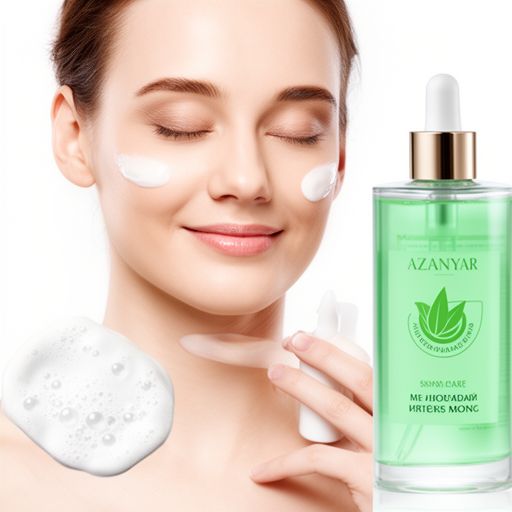
Part of this increase comes from modern skincare trends. Today’s consumers use more products than ever before—multiple cleansers, exfoliating acids, retinol, vitamin C, toners, serums, masks, and spot treatments. While each product may promise better skin, combining too many active ingredients often weakens the skin’s natural protective barrier.
Singapore’s environment adds another challenge. Every day, skin experiences intense UV exposure, high humidity, pollution, perspiration, and repeated transitions between outdoor heat and cold indoor air-conditioning. This constant environmental stress gradually weakens even healthy skin.
When the skin barrier becomes compromised, almost every product begins to sting. Even water can feel uncomfortable.
This is why restoring skin health—not simply treating symptoms—has become increasingly important.
What Makes Skin Sensitive?
Sensitive skin is not actually a skin type.
Instead, it describes skin whose protective barrier has become less effective.
Healthy skin acts like a brick wall. Skin cells form the bricks while natural lipids function as the mortar holding everything together. This barrier keeps moisture inside while preventing irritants, bacteria, allergens, and pollutants from entering.
When this barrier weakens, several things happen simultaneously.
Moisture escapes more easily.
Environmental irritants penetrate deeper.
Inflammation becomes easier to trigger.
The skin’s nerve endings become more exposed, causing burning and stinging sensations.
People often assume they suddenly became allergic to skincare products when, in reality, their barrier simply became too damaged to tolerate ingredients that previously caused no issues.
Repairing this barrier should always be the first priority.
Why Singapore’s Climate Makes Sensitivity Worse
Living in Singapore creates unique challenges for sensitive skin that many global skincare brands fail to address.
Outdoor temperatures regularly exceed 32°C while humidity remains above 80 percent.
Inside shopping malls, offices and public transport, powerful air-conditioning removes moisture from the air.
Your skin may transition between these two environments dozens of times every day.
Each transition forces your skin to rapidly adjust its moisture balance.
At the same time, ultraviolet radiation generates free radicals that slowly damage skin cells.
Air pollution deposits microscopic particles onto the skin surface, contributing to oxidative stress.
Sweat mixes with sebum, sunscreen and environmental debris, increasing the need for cleansing.
Frequent cleansing, however, can further weaken the skin barrier if harsh products are used.
This cycle repeats every single day.
The result is skin that remains in a constant state of mild inflammation.
Organic skincare that focuses on supporting the barrier rather than aggressively treating the skin is particularly valuable under these conditions.
The Problem with Conventional Skincare
Many conventional skincare products prioritise immediate cosmetic results over long-term skin health.
Foaming cleansers create the satisfying feeling of deep cleansing but often remove protective lipids.
Alcohol-based toners feel refreshing but accelerate moisture loss.
Synthetic fragrance makes products smell luxurious but contributes nothing to skin health while increasing irritation risk.
Strong preservatives extend shelf life but may trigger reactions in already compromised skin.
Artificial colours improve appearance but offer no skincare benefit whatsoever.
Many products also contain multiple active ingredients at high concentrations.
Consumers often assume stronger products work better.
In reality, skin rarely benefits from constant exposure to powerful exfoliating acids, retinoids and high-dose actives without adequate recovery.
For sensitive skin, gentler formulations consistently outperform aggressive routines.
Why Organic Skincare Is Different
Organic skincare takes a fundamentally different approach.
Instead of forcing rapid changes through aggressive ingredients, organic formulations focus on helping the skin restore its natural balance.
Plant-based ingredients contain complex combinations of vitamins, antioxidants, amino acids and natural lipids that support multiple skin functions simultaneously.
Organic aloe vera hydrates while calming inflammation.
Chamomile helps reduce redness.
Calendula encourages skin recovery.
Green tea provides antioxidant protection.
Instead of relying heavily on synthetic fragrances, artificial colours and unnecessary fillers, many certified organic formulations minimise ingredients that commonly trigger irritation.
This simpler ingredient philosophy reduces the chance of overwhelming already sensitive skin.
Organic skincare does not mean every natural ingredient is automatically safe.
Essential oils, for example, can still irritate some individuals.
The best organic skincare combines naturally derived ingredients with evidence-based formulation rather than simply replacing synthetic ingredients with botanical alternatives.
Ingredients That Calm Sensitive Skin Naturally
Certain natural ingredients consistently perform well for sensitive skin living in Singapore.
Aloe Vera
Aloe vera provides immediate hydration while reducing inflammation.
It absorbs quickly without leaving a greasy finish, making it ideal for humid climates.
Oat Extract
Colloidal oatmeal helps soothe itching, redness and irritation.
It supports the skin barrier while reducing water loss.
Centella Asiatica
Centella has become one of the most researched botanical ingredients for barrier repair.
It encourages healing while reducing inflammation.
Calendula
Calendula extract has long been used to calm irritated skin.
It supports recovery after sun exposure and environmental stress.
Chamomile
Chamomile provides anti-inflammatory compounds that reduce redness and calm reactive skin.
Green Tea
Rich in polyphenols, green tea helps protect against oxidative stress caused by UV exposure and pollution.
Jojoba Oil
Although technically a wax ester rather than an oil, jojoba closely resembles the skin’s natural sebum.
It moisturises without feeling heavy or clogging pores.
Ingredients Sensitive Skin Should Avoid
Some ingredients appear frequently in skincare yet commonly trigger irritation.
These include:
- Alcohol Denat
- Synthetic fragrance
- Artificial colouring
- High concentrations of glycolic acid
- Excessive salicylic acid
- Harsh physical scrubs
- Sulfates in cleansers
- High concentrations of essential oils
- Multiple exfoliating acids used together
Avoiding these ingredients often produces greater improvement than continuously adding new soothing products.
Sometimes the best skincare routine simply removes what is damaging the skin.
How to Build a Gentle Organic Routine
Sensitive skin benefits from consistency rather than complexity.
A practical routine includes only a few carefully selected products.
Morning
- Gentle organic cleanser
- Hydrating toner
- Lightweight calming serum
- Moisturiser
- Broad-spectrum sunscreen
Evening
- Gentle cleanser
- Hydrating toner
- Barrier-repair serum
- Nourishing moisturiser
Once your skin barrier becomes healthy again, you can gradually introduce targeted treatments if needed.
However, many people discover they no longer require complicated routines once inflammation has settled.
Common Mistakes That Keep Sensitive Skin Irritated
Many people unknowingly prolong sensitivity through everyday habits.
Changing skincare too frequently prevents the skin from adapting.
Testing several new products simultaneously makes it impossible to identify the true cause of irritation.
Over-cleansing strips away protective oils.
Skipping moisturiser because skin feels oily often worsens dehydration.
Exfoliating multiple times each week weakens the barrier further.
Ignoring sunscreen allows UV damage to continuously trigger inflammation.
Using products recommended by influencers without considering Singapore’s tropical climate often results in routines designed for completely different environments.
Healthy skin rarely comes from following trends.
It comes from understanding what your skin actually needs.
Final Thoughts
Sensitive skin is becoming increasingly common in Singapore, but it does not have to become permanent.
Most sensitivity develops because the skin barrier has been gradually weakened by environmental stress, over-treatment, and products containing unnecessary irritants.
Organic skincare offers a gentler approach by supporting the skin’s natural repair processes instead of forcing rapid change through harsh ingredients.
Combined with a simple, consistent routine designed for Singapore’s tropical climate, carefully formulated organic products can help restore hydration, strengthen the skin barrier, reduce redness, and improve long-term skin resilience.
Healthy skin is rarely achieved through using more products. More often, it comes from choosing better ones.