
Table of Contents
- Why Toner Is the Most Misunderstood Step in Skincare
- The Old Toner vs the New Toner
- What Tropical Heat Does to Your Skin Between Steps
- What a Hydrating Toner Actually Does
- Key Ingredients to Look for in a Tropical Climate Toner
- Ingredients That Do Not Belong in Your Toner
- How to Apply a Hydrating Toner Correctly
- When to Use It — Morning, Evening, or Both
- Final Thoughts
Why Toner Is the Most Misunderstood Step in Skincare
Ask ten people what a toner does and you will get ten different answers. Some say it removes leftover cleanser residue. Others say it balances skin pH. Many skip it entirely because a previous toner left their skin feeling tight and irritated. A few use it only at night, or only in summer, or only when they remember.
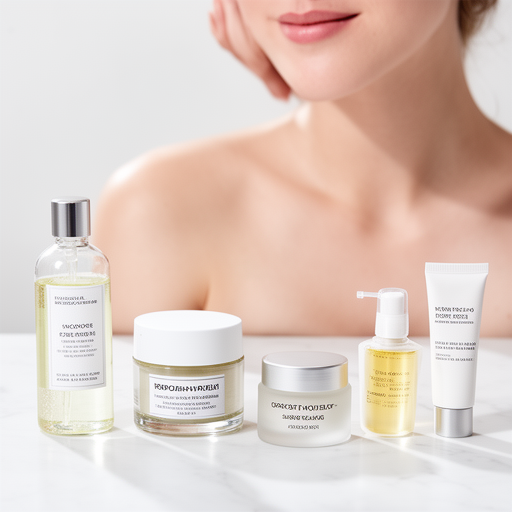
This confusion exists because the word “toner” covers an enormous range of products that behave almost nothing like each other. A toner from ten years ago and a toner sold today may share a name but serve completely opposite purposes.
If you live in Singapore and you are not using a hydrating toner, or if you are using the wrong kind, you are missing one of the simplest and most effective steps you can add to your routine. In a climate where your skin moves constantly between humid outdoor air and dry air-conditioned interiors, a well-chosen toner does work that no other product in your routine can replicate.
The Old Toner vs the New Toner
The original purpose of toner, dating back decades, was to remove traces of cold cream and soap-based cleansers that left a residue on the skin. Those early toners were loaded with alcohol, astringents, and acidic ingredients designed to strip the skin surface clean and temporarily shrink the appearance of pores.
They worked, after a fashion, in that specific context. But they also stripped the skin’s natural moisture and disrupted the skin barrier with daily use. The tight, squeaky-clean feeling they produced was not a sign of clean skin — it was a sign of damaged skin.
Modern skincare has moved decisively away from that model. Today’s hydrating toners — sometimes called essences, skin softeners, or first treatments depending on the brand’s origin — are water-based formulations designed to deliver lightweight hydration and active ingredients immediately after cleansing, before the rest of your routine.
The goal has shifted from stripping to replenishing. And for skin that lives in Singapore’s climate, that shift matters enormously.
What Tropical Heat Does to Your Skin Between Steps
Here is something most skincare guides do not address directly: in Singapore’s heat, your skin begins losing moisture the moment you finish cleansing.
After you wash your face, you pat it dry, and then you reach for your serum or moisturiser. That process takes anywhere from thirty seconds to a few minutes. In a temperate climate, that gap is largely inconsequential. In Singapore’s heat, particularly if you are standing in a warm bathroom or near an open window, transepidermal water loss begins immediately on freshly cleansed, barrier-exposed skin.
By the time your serum reaches your face, your skin may already be drier than it was a minute ago. This is one of the reasons why people in tropical climates often feel that their serums and moisturisers do not absorb as well as reviews suggest, or that their routine feels less effective than it should.
A hydrating toner applied immediately after cleansing solves this problem directly. It creates a thin layer of moisture on the skin surface that not only replenishes what was just lost but also prepares the skin to receive and absorb subsequent products more effectively.
What a Hydrating Toner Actually Does
A well-formulated hydrating toner performs three distinct functions that are particularly relevant to skin living in a tropical climate.
First, it restores surface hydration rapidly after cleansing. Water-based and loaded with humectants, it delivers lightweight moisture within seconds without any of the occlusion risk of a cream or serum.
Second, it supports and prepares the skin barrier. Cleansing, even with a gentle cleanser, temporarily disrupts the skin’s acid mantle — the slightly acidic surface layer that protects against bacteria and environmental stressors. A hydrating toner with the right pH helps restore that protective environment quickly.
Third, it enhances the absorption and effectiveness of everything applied on top of it. A hydrated skin surface is more receptive to active ingredients. Your serum works better. Your moisturiser spreads more evenly. The entire routine becomes more efficient when the skin is properly prepared.
Key Ingredients to Look for in a Tropical Climate Toner
Hyaluronic acid is the most effective humectant available in skincare. It attracts and holds water molecules against the skin surface, providing immediate hydration that continues working throughout the day. In a toner, it delivers this benefit in a lightweight, fast-absorbing format perfectly suited to humid conditions.
Aloe vera provides hydration alongside genuine anti-inflammatory benefit. It soothes skin that is stressed by heat, sweat, and environmental exposure, and absorbs instantly without any residue. For skin that regularly transitions between outdoor heat and indoor air-conditioning, aloe vera in a toner is genuinely useful rather than decorative.
Panthenol (provitamin B5) strengthens the skin barrier while attracting moisture. It is particularly valuable for skin that has been weakened by previous use of stripping toners or harsh cleansers.
Centella asiatica extract calms redness and supports barrier repair. In Singapore’s climate, where heat and pollution regularly cause low-grade skin inflammation, centella in your toner provides a meaningful calming effect with every application.
Niacinamide at low concentrations in a toner helps regulate sebum production and supports the skin barrier without the potential irritation risk of higher-concentration treatments. For oily and combination skin types common in tropical climates, this is a practical and well-tolerated active.
Botanical waters and plant hydrosols — including rose water, green tea water, and chamomile hydrosol — provide gentle hydration alongside antioxidant and soothing properties. In an organic formulation, these replace the synthetic fillers and preservatives found in conventional toners.
Ingredients That Do Not Belong in Your Toner
Alcohol denat remains the most common problematic ingredient in toners sold globally. It creates an immediate sensation of freshness and tightness that many people mistake for efficacy. In reality it disrupts the skin barrier, accelerates moisture loss, and triggers rebound oil production — the opposite of what tropical skin needs.
Synthetic fragrance has no functional skincare benefit and is among the most common causes of contact sensitivity. In a product applied twice daily directly to the skin surface, fragrance is an unnecessary and significant irritation risk.
Strong acids at high concentrations — glycolic acid, salicylic acid, lactic acid — have their place in skincare but not in a daily hydrating toner. Products marketed as toners but functioning as exfoliants serve a different purpose and should be used with appropriate frequency and caution, not as a daily hydration step.
Witch hazel in high concentrations was a staple of older toner formulations for its astringent effect. While it has some antioxidant properties, high concentrations are drying and irritating, particularly for barrier-compromised skin.
How to Apply a Hydrating Toner Correctly
Application method makes a meaningful difference to how well your toner performs.
The most effective approach is to apply your toner with clean hands, pressing it gently into the skin rather than wiping it across the surface. Pour a small amount — roughly the size of a ten-cent coin — into your palms, press your hands together briefly to warm the product, and then press it onto your face in gentle patting motions across your cheeks, forehead, nose, and chin.
This method minimises product waste and maximises absorption. It avoids the dragging motion of cotton pads, which can cause friction on freshly cleansed skin and absorbs a significant portion of the product into the pad rather than delivering it to your skin.
If your skin is particularly dehydrated, you can apply two or three thin layers of toner in succession, allowing each layer to absorb briefly before applying the next. This technique, common in Korean skincare routines, is particularly useful for Singapore’s air-conditioned environments where skin loses moisture rapidly throughout the day.
When to Use It — Morning, Evening, or Both
A hydrating toner belongs in both your morning and evening routines.
In the morning, it prepares your skin for the day ahead — replenishing any moisture lost overnight, supporting your barrier before sun exposure and outdoor humidity, and creating the ideal surface for your serum and SPF to perform at their best.
In the evening, it is the first step in your skin’s overnight recovery. After cleansing away the day’s sunscreen, oil, sweat, and pollution, your skin barrier needs immediate replenishment. A hydrating toner applied right after your evening cleanse begins that repair process before your serum and moisturiser continue it.
For natural skincare that works with Singapore’s climate rather than against it, consistency matters more than complexity. A simple routine applied twice daily with the right products outperforms an elaborate routine used inconsistently.
Final Thoughts
A hydrating toner is not an optional extra or a legacy step carried over from outdated skincare routines. In Singapore’s tropical climate — where your skin is simultaneously managing outdoor humidity, indoor air-conditioning, UV exposure, and urban pollution — it is one of the most practical and high-impact products you can add to your routine.
The right toner, applied correctly twice a day, keeps your skin barrier primed, your hydration consistent, and your subsequent products working at their full potential. In a climate that tests your skin every single day, that foundation makes everything else work better.