Table of Contents
- Introduction
- Why Organic Beauty Marketing Can Be Confusing
- Myth 1: Natural Means Organic
- Myth 2: Expensive Products Are Always Better
- Myth 3: Organic Skincare Works Instantly
- Myth 4: All Chemicals Are Harmful
- Myth 5: Organic Products Cannot Cause Breakouts
- Myth 6: More Products Equal Better Results
- Myth 7: DIY Skincare Is Always Safer
- Myth 8: Organic Skincare Has No Scientific Backing
- How to Identify Authentic Organic Brands
- Building a Smarter Organic Skincare Routine
- Conclusion
Introduction
The organic beauty industry has grown rapidly over the past decade as consumers become more conscious about ingredients, sustainability, and skin health. However, increased popularity has also brought widespread marketing confusion.
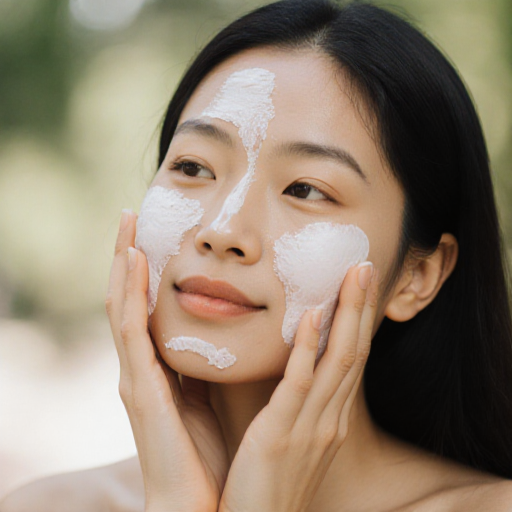
Many brands use attractive language that sounds trustworthy but does not always reflect product quality or authenticity. Understanding the truth behind common myths helps consumers make informed decisions when choosing organic skincare products.
Separating marketing claims from scientific reality ensures that skincare investments genuinely benefit both skin health and long-term wellness.
Why Organic Beauty Marketing Can Be Confusing
Unlike pharmaceutical products, skincare marketing often relies heavily on branding, emotional messaging, and lifestyle imagery. Terms like clean, green, natural, and pure are widely used but are not always regulated.
Consumers are frequently influenced by:
- Social media trends
- Influencer endorsements
- Luxury packaging
- Viral ingredient hype
Without understanding certification standards or formulation science, it becomes difficult to distinguish authentic organic skincare from clever marketing.
Myth 1: Natural Means Organic
One of the biggest misconceptions is assuming natural products are automatically organic.
Natural skincare simply means ingredients originate from nature. However, these ingredients may still be chemically processed or grown using pesticides.
Organic skincare, on the other hand, follows strict agricultural and production standards verified by certification bodies.
A product labeled natural may contain only small amounts of plant-derived ingredients while still including synthetic additives. Understanding the difference between organic skincare vs natural skincare helps consumers avoid misleading labels and choose products aligned with true organic principles.
Myth 2: Expensive Products Are Always Better
Price does not always reflect formulation quality.
Luxury branding often increases costs due to:
- Marketing campaigns
- Packaging design
- Celebrity endorsements
Many smaller certified organic brands invest more in ingredient sourcing than advertising. A reasonably priced product with transparent certification may outperform expensive products relying primarily on brand image.
Consumers should prioritize ingredient integrity rather than price perception.
Myth 3: Organic Skincare Works Instantly
Modern marketing encourages expectations of immediate transformation. However, authentic organic skincare focuses on restoring skin health gradually.
Plant-based ingredients support:
- Skin barrier repair
- Reduced inflammation
- Balanced oil production
- Improved hydration retention
Because these improvements occur biologically, visible results typically appear after several skin renewal cycles rather than overnight.
Quick fixes often rely on temporary cosmetic effects rather than genuine skin improvement.
Myth 4: All Chemicals Are Harmful
The word “chemical” is frequently used as a negative marketing term, but scientifically, everything is made of chemicals — including water and botanical extracts.
Organic skincare avoids harmful synthetic chemicals, not all chemistry itself.
Safe skincare depends on:
- Ingredient concentration
- Formulation balance
- Skin compatibility
Many plant-derived compounds undergo safe processing to enhance stability and effectiveness while remaining skin-friendly.
Understanding this distinction prevents unnecessary fear and promotes informed product choices.
Myth 5: Organic Products Cannot Cause Breakouts
Another common myth is that organic skincare works perfectly for everyone.
Even natural ingredients can trigger reactions if they do not suit individual skin types.
Possible causes include:
- Rich botanical oils clogging pores
- Allergies to essential oils
- Transition periods as skin detoxifies
Organic skincare reduces irritation risk overall but still requires selecting products appropriate for personal skin needs.
Myth 6: More Products Equal Better Results
The beauty industry often promotes multi-step routines involving numerous products. However, excessive layering can overwhelm the skin.
Overloading routines may lead to:
- Barrier damage
- Increased sensitivity
- Product incompatibility
- Breakouts
Many dermatology experts now support minimalist routines that allow skin to function naturally. Organic skincare performs best when focused on quality rather than quantity.
Myth 7: DIY Skincare Is Always Safer
Homemade skincare recipes have gained popularity online, but natural ingredients are not automatically safe without proper formulation knowledge.
DIY products often lack:
- Preservation systems
- pH balancing
- Stability testing
- Contamination control
Improper mixtures may irritate skin or grow bacteria. Professionally formulated organic skincare undergoes testing to ensure safety and effectiveness.
Myth 8: Organic Skincare Has No Scientific Backing
A persistent myth suggests organic skincare is purely trend-driven without scientific support.
In reality, research continues to confirm the effectiveness of many plant-based ingredients, including:
- Antioxidant-rich botanicals
- Anti-inflammatory plant extracts
- Microbiome-supporting oils
- Naturally derived vitamins
Modern organic skincare combines traditional botanical knowledge with contemporary dermatological science to achieve balanced formulations.
How to Identify Authentic Organic Brands
To avoid marketing traps, consumers should look for:
- Recognized certification logos
- Transparent ingredient lists
- Clear sourcing information
- Minimal exaggerated claims
- Educational content rather than hype
Brands focused on education often demonstrate stronger commitment to authenticity than those relying solely on promotional messaging.
Building a Smarter Organic Skincare Routine
A thoughtful approach to organic skincare includes:
- Understanding your skin type
- Selecting certified products
- Maintaining routine consistency
- Avoiding frequent product switching
- Supporting skin health through lifestyle habits
Long-term skin improvement comes from steady care rather than chasing trends or viral ingredients.
Conclusion
The organic beauty industry offers tremendous benefits, but marketing myths can easily mislead consumers. Understanding the difference between genuine organic formulations and promotional claims allows individuals to make smarter skincare choices.
Organic skincare is not about instant perfection or luxury branding — it is about supporting the skin’s natural balance through safe, responsibly sourced ingredients. By recognizing common misconceptions and focusing on education over hype, consumers can confidently build routines that deliver lasting skin health and sustainable beauty results.