Choosing skincare products can be confusing, especially when labels use terms such as organic, natural, plant-based, botanical and clean beauty. While these terms may sound similar, they can have different meanings depending on the product and its ingredients.
If you are looking for gentler alternatives to conventional beauty products, understanding the difference between organic skincare and natural skincare can help you make more informed choices.
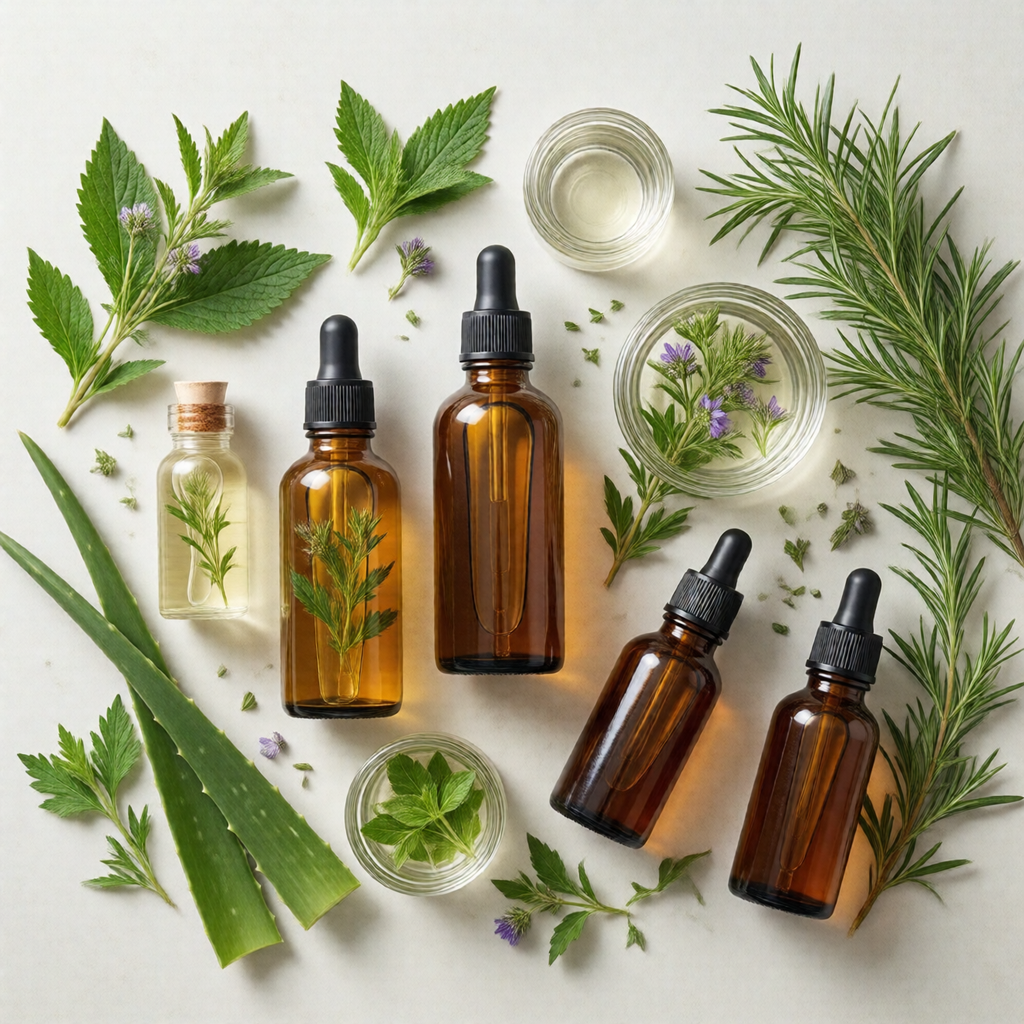
This guide explains what organic and natural skincare mean, how they differ, their potential benefits, and what to consider when choosing products for your daily routine.
Table of Contents
- What Is Organic Skincare?
- What Is Natural Skincare?
- Organic Skincare vs Natural Skincare
- Benefits of Organic Skincare
- Benefits of Natural Skincare
- Which Ingredients Should You Look For?
- How to Choose the Right Skincare Products
- Organic and Natural Skincare in Singapore
- Conclusion
What Is Organic Skincare?
Organic skincare generally refers to skincare products made using ingredients that are grown or produced according to organic farming standards.
Organic ingredients may come from plants such as aloe vera, chamomile, lavender, rose, green tea and various botanical extracts. Depending on the certification and regulations involved, organic farming typically focuses on reducing the use of certain synthetic pesticides, fertilisers and genetically modified organisms.
However, it is important to understand that the word “organic” on a skincare product does not automatically mean that every ingredient is organic.
Some products may contain a mixture of organic, natural and other cosmetic ingredients. If organic certification is important to you, look for recognised certification information and check the ingredient list carefully.
What Is Natural Skincare?
Natural skincare usually refers to products formulated with ingredients derived from natural sources.
These may include plant extracts, botanical oils, minerals, clays, seeds, fruits and other naturally sourced ingredients.
For example, natural skincare products may contain ingredients such as coconut oil, jojoba oil, shea butter, aloe vera, green tea extract or rose water.
However, “natural” does not necessarily mean that a product is organic. An ingredient can be naturally derived without being produced using organic farming practices.
This distinction is important when comparing different skincare products.
Organic Skincare vs Natural Skincare
The main difference is generally related to how the ingredients are sourced and produced.
Natural skincare focuses primarily on ingredients that originate from natural sources. Organic skincare goes a step further by focusing on ingredients that are produced according to organic agricultural or production standards.
For example, two skincare products could both contain aloe vera. One may use conventionally grown aloe vera, while another may use certified organic aloe vera.
Both ingredients can be naturally derived, but only the second may qualify as organic depending on the relevant certification requirements.
It is also possible for a skincare product to contain both organic and natural ingredients.
Therefore, rather than relying only on marketing terms, it is useful to read the ingredient list and look for certification information where applicable.
Benefits of Organic Skincare
Many people choose organic skincare because they prefer products made with organically produced botanical ingredients.
1. Focus on Organic Ingredients
Organic skincare can provide an option for consumers who specifically want ingredients sourced from organic agriculture.
This can be particularly appealing to people who prefer a more natural approach to their beauty routine.
2. Botanical-Based Formulations
Many organic skincare products feature botanical ingredients such as plant oils, flower extracts, herbs and fruit-derived ingredients.
These ingredients can provide different properties that may support a well-rounded skincare routine.
3. A More Conscious Beauty Choice
Consumers are increasingly interested in knowing where their skincare ingredients come from.
Choosing certified organic ingredients can provide greater transparency regarding agricultural production methods when reliable certification is available.
4. Suitable for a Minimalist Routine
Organic skincare can work well for people who prefer a simple routine built around a smaller number of carefully selected products.
Instead of constantly changing products, you can focus on basic skincare steps such as cleansing, moisturising and sun protection.
Benefits of Natural Skincare
Natural skincare also has several reasons for its growing popularity.
1. Naturally Derived Ingredients
Natural skincare products often use ingredients derived from plants, minerals or other natural sources.
Common examples include botanical oils, plant extracts, clays and natural butters.
2. Wide Range of Botanical Ingredients
There are many natural ingredients available for different skincare needs.
Aloe vera is commonly used in soothing formulations, while plant oils and natural butters can be used in moisturising products.
3. Variety of Product Options
Natural skincare is not limited to one type of product. You can find natural cleansers, moisturisers, facial oils, masks, serums and body care products.
This makes it possible to create a natural-focused routine according to your individual preferences.
Which Ingredients Should You Look For?
When choosing organic or natural skincare products, consider looking for ingredients that match your skin’s needs rather than simply choosing products because they contain a long list of botanical ingredients.
Aloe Vera
Aloe vera is widely used in skincare formulations and is popular for its lightweight and soothing properties.
It is commonly found in gels, moisturisers and products designed for refreshing the skin.
Jojoba Oil
Jojoba oil is a popular botanical oil used in moisturisers and facial care products.
It has a lightweight texture and can be incorporated into different skincare formulations.
Shea Butter
Shea butter is commonly used in moisturising products because of its rich texture.
It can be especially useful in formulations designed to provide additional moisture to dry areas of the skin.
Green Tea
Green tea extract is frequently used in skincare because of its antioxidant properties.
It can be found in cleansers, serums, creams and other facial care products.
Botanical Extracts
Ingredients such as chamomile, calendula, rose and lavender are commonly included in natural skincare formulations.
However, botanical does not automatically mean suitable for everyone. Even natural ingredients can cause irritation or sensitivity in some individuals.
How to Choose the Right Skincare Products
Choosing between organic and natural skincare should begin with your own skin needs.
First, identify whether your skin tends to be dry, oily, combination or sensitive.
Next, consider the products you actually need. A basic routine may include a gentle cleanser, moisturiser and sunscreen.
Rather than choosing a product simply because it contains many natural ingredients, check the complete ingredient list and pay attention to ingredients that your skin may not tolerate.
If you have sensitive skin, introducing one new product at a time can make it easier to identify potential reactions.
A patch test can also be useful before applying a new product more widely.
Most importantly, remember that natural does not automatically mean better for every person. Skincare effectiveness depends on the specific formulation, ingredient concentration and how your individual skin responds.
Organic and Natural Skincare in Singapore
Singapore’s warm and humid climate can influence how skincare products feel on the skin.
Heavy creams and oils may feel uncomfortable for some people during hot weather, while lightweight moisturisers and easily absorbed formulations may be preferred.
When choosing organic skincare or natural skincare in Singapore, consider products that fit your skin type and daily environment.
For oily or combination skin, lightweight formulations may be more comfortable. For dry skin, richer moisturising products may be more suitable.
Sun protection should also remain an important part of any skincare routine. Natural or organic skincare products do not replace the need for appropriate sun protection.
A simple routine that is easy to maintain consistently is often more useful than using too many products at once.
Conclusion
Organic skincare and natural skincare are closely related, but they are not exactly the same.
Natural skincare generally focuses on ingredients derived from natural sources, while organic skincare places additional emphasis on ingredients produced according to organic standards.
Neither category is automatically the best choice for everyone. The most suitable products depend on your skin type, personal preferences, ingredient sensitivities and skincare goals.
When shopping for skincare, look beyond the front label. Check the ingredient list, understand the claims being made and choose products that fit your individual routine.
Whether you prefer organic skincare, natural skincare or a combination of both, a simple and consistent approach can help you build a more thoughtful daily beauty routine.