
You invested in beautiful organic skincare. The ingredients are clean, the packaging is elegant, and the formula feels luxurious on your skin. But unlike conventional products loaded with synthetic preservatives, your organic treasures have a shorter lifespan. Understanding when to use them, when to toss them, and how to store them properly is essential for getting the full benefit—and avoiding the irritation that expired products can cause.
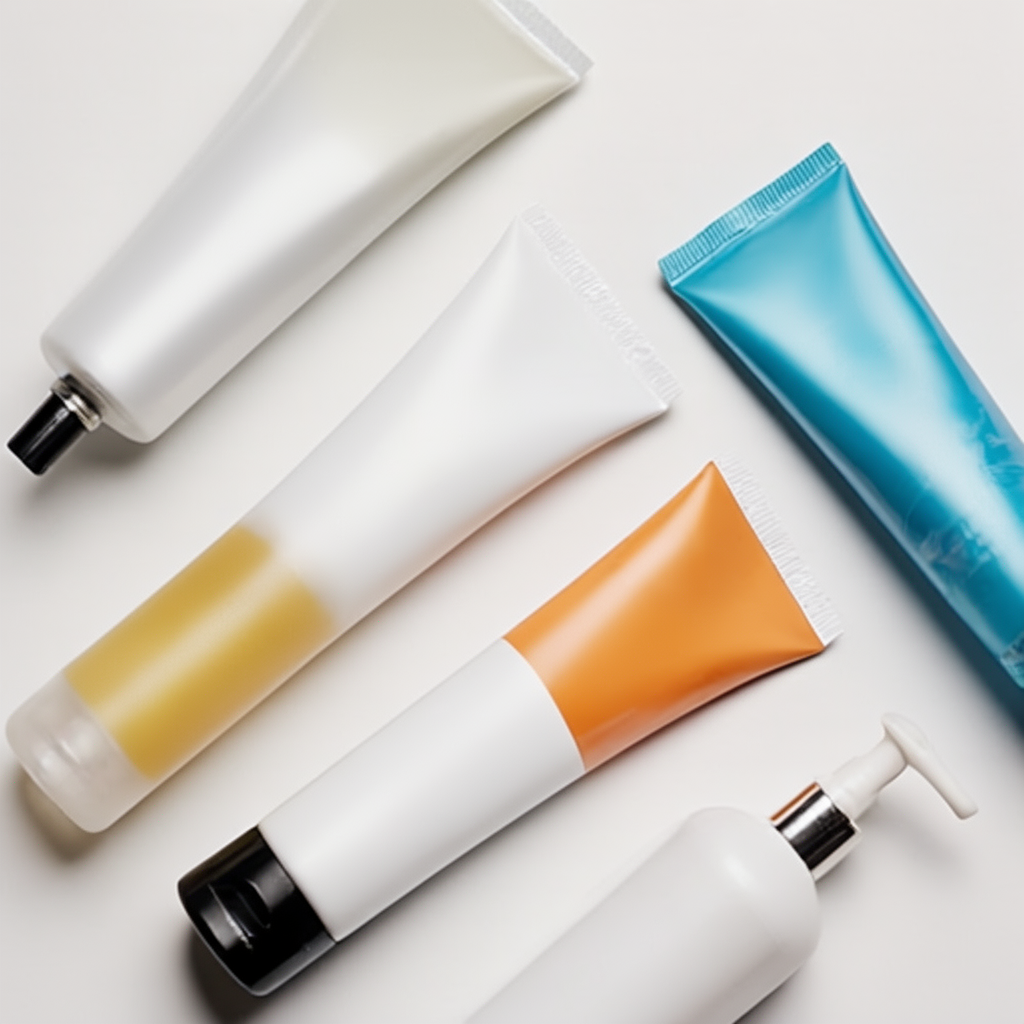
Why Organic Products Expire Faster
Organic skincare is formulated without synthetic preservatives like parabens, phenoxyethanol, or formaldehyde-releasing agents. While this is exactly what makes it appealing to health-conscious consumers, it also means the products are more vulnerable to bacterial growth, mold, and oxidation . Natural ingredients such as plant extracts, essential oils, and cold-pressed butters degrade faster than their synthetic counterparts, especially when exposed to air, light, and heat .
Water-based organic products—lotions, creams, and serums—are particularly susceptible. Water creates an environment where bacteria and fungi thrive, and without robust synthetic preservatives, these products can spoil within months rather than years . Oil-based products fare slightly better, but even they are not immune to rancidity when natural antioxidants break down.
How Long Do Organic Products Really Last?
Shelf life varies dramatically depending on formulation, packaging, and storage. Here is a realistic guide to what you can expect:
| Product Type | Unopened Shelf Life | Opened Shelf Life | Why It Spoils |
|---|---|---|---|
| Water-based creams & lotions | 6–12 months | 3–6 months | Bacterial growth, emulsion separation |
| Serums with active ingredients | 6–12 months | 3–6 months | Oxidation, light sensitivity |
| Oil-based balms & serums | 12–18 months | 6–12 months | Rancidity from oxidation |
| Clay masks | 12 months | 6 months | Drying out, bacterial contamination |
| Cleansers | 12–18 months | 6–12 months | Preservative breakdown |
| Toners & mists | 6–12 months | 3–6 months | Water content, microbial growth |
| Sunscreen (mineral-based) | 2–3 years | 6–12 months | Active ingredient degradation |
These timelines are significantly shorter than conventional skincare, which can last two to three years unopened and one to two years after opening . The trade-off is purity: you are choosing freshness and clean ingredients over chemical longevity.
Reading the Signs: Has Your Product Gone Bad?
Your eyes and nose are your best tools for detecting expired organic skincare. Unlike synthetic products that can hide degradation with stabilizers and fragrances, organic formulas show their age honestly .
Visual changes are the most obvious warning. Separation of oil and water layers, color darkening or yellowing, and the appearance of mold spots—black, green, or blue—mean the product is no longer safe . Texture changes such as clumping, graininess, or an unusual thinness indicate that the emulsion has broken down . Odor shifts are equally telling. A sour, rancid, or fermented smell means oils have oxidized or bacteria have colonized the formula .
If you notice any of these signs, discard the product immediately. Using spoiled organic skincare is not just ineffective—it can introduce bacteria to your skin, causing irritation, rashes, or breakouts .
The Period After Opening Symbol: Your Best Friend
Every skincare product should display a small jar symbol with a number followed by an “M”—this is the Period After Opening (PAO) indicator . A “6M” means use within six months of opening; “12M” means one year. For organic products, treat these numbers as maximums, not suggestions. If a product has no PAO symbol, write the opening date on the container yourself and track it diligently .
Some organic brands also include batch numbers that allow you to check manufacturing dates through online batch code checkers . This is especially useful for products purchased from smaller artisanal makers who may not use standardized PAO labeling.
Smart Storage: Extending Your Product’s Life
How you store organic skincare matters as much as how you use it. Heat, light, humidity, and air are the four enemies of natural formulations .
Keep it cool and dry. The ideal storage temperature is between 15°C and 25°C . Avoid bathrooms, where steam and temperature fluctuations create a perfect breeding ground for bacteria . Instead, store products in a bedroom drawer, a closet shelf, or even the refrigerator for especially sensitive formulas like vitamin C serums or probiotic-based products.
Protect from light. UV rays degrade active ingredients and accelerate oxidation . Choose products in opaque or amber glass bottles, and keep them away from windowsills. If your favorite serum comes in a clear container, store it in its original box or a dark cabinet.
Minimize air exposure. Every time you open a jar, oxygen rushes in and begins breaking down delicate botanicals . Airless pump bottles and squeeze tubes are far superior to wide-mouth jars. If you must use a jar, never dip your fingers directly into the product—always use a clean spatula or spoon to prevent contamination .
Tighten lids immediately. Leaving a cap loose invites moisture and airborne microbes into the formula. Make it a habit to secure lids right after use .
Special Cases: Refrigeration and Travel
Certain organic products benefit from refrigeration. Formulas containing probiotics, fresh plant juices, or highly unstable antioxidants like vitamin C stay potent longer when chilled . However, not everything belongs in the fridge—cold temperatures can cause oils to solidify and emulsions to separate. When in doubt, follow the brand’s specific storage instructions.
When traveling, avoid leaving organic skincare in hot cars or checked luggage that sits on tarmacs. Pack products in insulated bags and keep carry-on items with you in climate-controlled cabins. Travel-sized containers are convenient, but transfer only what you will use within a few weeks to prevent repeated opening and closing of your main supply.
The Cost of Holding On Too Long
It is tempting to stretch a beloved product past its prime, especially if it was expensive or hard to find. But expired organic skincare offers diminishing returns at best and real harm at worst. Active ingredients lose potency, meaning your anti-aging serum no longer fights wrinkles and your brightening treatment no longer fades spots . More seriously, bacterial contamination can trigger contact dermatitis, acne flare-ups, or eye infections .
The FDA notes that eye-area cosmetics in particular have shorter shelf lives because the risk of serious infection is higher . If your organic eye cream smells off or has changed texture, discard it without hesitation—your vision is not worth the risk.
Building a Rotation Habit
The key to never wasting organic skincare is mindful purchasing and consistent use. Buy only what you can reasonably finish within the opened shelf life. If you love sampling new products, keep your core routine small—a cleanser, moisturizer, and sunscreen—and rotate treatment serums one at a time. This prevents half-used bottles from expiring in your drawer and ensures every product delivers its full benefit while fresh.
Label your products with opening dates, schedule quarterly shelf audits, and commit to using what you have before buying more. Organic skincare is an investment in your health, and like any investment, it rewards careful management.
Final Thoughts: Freshness Is the Point
Organic skincare’s shorter shelf life is not a flaw—it is a feature. It reflects the absence of synthetic chemicals designed solely to keep products sitting on shelves for years. When you choose organic, you are choosing vitality, potency, and a closer connection to nature’s rhythms. Treat your products with the same care that went into formulating them, and they will reward you with results that synthetic alternatives simply cannot replicate.
Ready to refresh your routine with truly fresh organic skincare? Explore our full collection of organic skincare and discover products crafted for purity and performance. To make informed choices from day one, learn how to read organic skincare labels like a pro.