
Table of Contents
- Introduction
- Understanding Acne-Prone Skin
- Common Triggers of Acne
- Why Organic Skincare Helps Acne
- Key Organic Ingredients for Acne Control
- Building an Acne-Friendly Organic Routine
- Morning Routine for Acne-Prone Skin
- Evening Routine for Acne-Prone Skin
- Lifestyle Factors Supporting Clear Skin
- Spot Treatments and Masks
- Avoiding Common Skincare Mistakes
- Conclusion
Introduction
Acne is one of the most common skin concerns, particularly for teenagers and young adults. Hormonal changes, stress, environmental pollutants, and improper skincare can exacerbate breakouts. Traditional acne treatments often rely on harsh chemicals, which can irritate and dry out the skin.
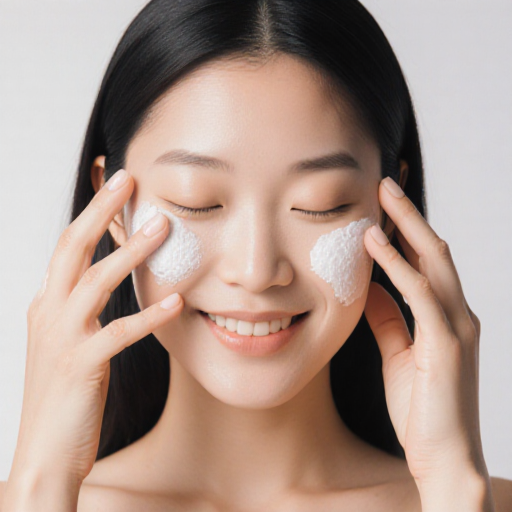
Organic skincare offers gentle, plant-based solutions that balance oil production, soothe inflammation, and maintain the skin’s natural barrier. By adopting organic skincare specifically designed for acne-prone skin, you can support long-term skin health while managing blemishes effectively.
Understanding Acne-Prone Skin
Acne-prone skin is characterized by:
- Overactive sebaceous (oil) glands
- Clogged pores due to excess sebum and dead skin cells
- Inflammation and redness
- Occasional cystic lesions in severe cases
Recognizing the underlying causes is crucial for developing an effective organic skincare routine.
Common Triggers of Acne
Acne can be triggered by multiple factors:
- Hormonal fluctuations (puberty, menstrual cycles, stress)
- Comedogenic skincare or makeup products
- Poor diet high in sugar or processed foods
- Environmental pollutants and humidity
- Over-cleansing or using harsh treatments
Minimizing these triggers while supporting the skin naturally reduces breakouts.
Why Organic Skincare Helps Acne
Organic skincare benefits acne-prone skin because it:
- Avoids harsh chemicals that strip or irritate skin
- Uses natural anti-inflammatory ingredients
- Maintains skin hydration without clogging pores
- Supports a balanced skin microbiome
This gentle approach reduces the risk of rebound breakouts often caused by aggressive treatments.
Key Organic Ingredients for Acne Control
Ingredients commonly found in acne-friendly organic products include:
- Tea Tree Oil: Antibacterial and anti-inflammatory properties
- Aloe Vera: Soothes redness and irritation
- Green Tea Extract: Reduces oxidative stress and inflammation
- Witch Hazel (alcohol-free): Helps control excess oil
- Chamomile and Calendula: Calm inflamed or sensitive skin
These ingredients work synergistically to target acne while supporting skin health.
Building an Acne-Friendly Organic Routine
Consistency and simplicity are key. Focus on:
- Gentle cleansing to remove dirt and oil without over-stripping
- Moisturizing with lightweight, non-comedogenic products
- Sun protection with mineral-based organic sunscreen
Adding serums or spot treatments for stubborn blemishes is optional but effective when used properly.
Morning Routine for Acne-Prone Skin
- Cleanse with a gentle, pH-balanced cleanser
- Apply an antioxidant or soothing serum
- Moisturize with a lightweight, oil-free moisturizer
- Protect with mineral sunscreen
A simple, consistent morning routine prevents excess oil buildup while shielding the skin from UV damage.
Evening Routine for Acne-Prone Skin
- Double cleanse if wearing makeup or sunscreen
- Apply calming or acne-targeting serum with ingredients like tea tree or green tea extract
- Moisturize lightly to maintain hydration
- Optional: spot treat active blemishes
Evening routines help repair skin and reduce inflammation overnight.
Lifestyle Factors Supporting Clear Skin
External factors play a significant role in acne control:
- Maintain a balanced diet rich in antioxidants
- Stay hydrated to support barrier function
- Manage stress to reduce hormonal flare-ups
- Get sufficient sleep to allow skin repair
- Avoid touching or picking at blemishes
Combining a healthy lifestyle with organic skincare enhances results and prevents recurrence.
Spot Treatments and Masks
Natural spot treatments and masks can complement a daily routine:
- Clay masks: Absorb excess oil and impurities
- Honey masks: Antibacterial and hydrating
- Aloe vera gels: Calm irritation and speed healing
Use these treatments 1–2 times a week or as needed for targeted concerns.
Avoiding Common Skincare Mistakes
- Over-washing or scrubbing aggressively
- Using multiple harsh treatments simultaneously
- Ignoring hydration while treating acne
- Switching products too frequently
These mistakes can worsen acne and compromise skin barrier health.
Conclusion
Organic skincare offers effective, gentle solutions for acne-prone skin. By focusing on plant-based, anti-inflammatory, and non-comedogenic ingredients, you can manage breakouts while maintaining overall skin health.
For practical guidance on building routines that protect and balance skin, explore how to transition teens to organic skincare safely to see how targeted organic routines help reduce breakouts and support clear, healthy skin.