Table of Contents
- Why the Natural vs Synthetic Debate Matters
- What Is Natural Skincare?
- What Is Synthetic Skincare?
- Are Natural Ingredients Always Better?
- Why Many People Prefer Organic Skincare
- Choosing Products for Singapore’s Climate
- How to Read a Skincare Label
- Final Thoughts
Why the Natural vs Synthetic Debate Matters
Walk into any beauty store and you’ll quickly notice labels such as “Natural”, “Organic”, “Clean Beauty”, “Plant-Based”, and “Dermatologist Tested.” While these terms sound reassuring, they don’t always tell the whole story.
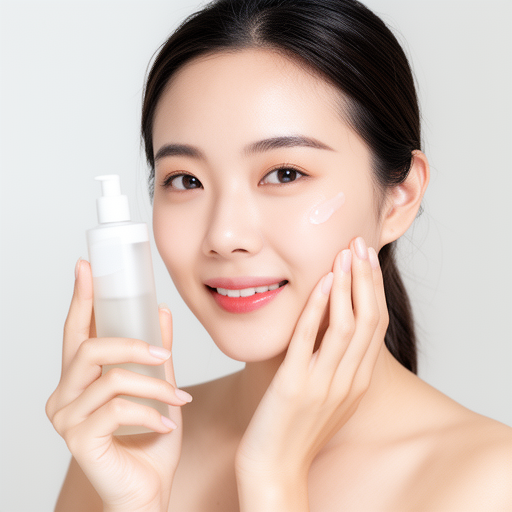
Consumers today are becoming more conscious about what they apply to their skin. Many people want products made with fewer artificial ingredients and more naturally derived botanicals. Others simply want skincare that is gentle enough for daily use without unnecessary chemicals or fragrances.
The reality is that not every natural ingredient is automatically safe, and not every synthetic ingredient is harmful. What matters most is how the product is formulated and whether it supports healthy skin over the long term.
At Pureté Singapore, we believe effective skincare starts with carefully selected organic ingredients that work together to nourish the skin naturally while remaining suitable for Singapore’s tropical climate.
What Is Natural Skincare?
Natural skincare generally refers to products made primarily from ingredients derived from plants, minerals or other naturally occurring sources.
These ingredients may include:
- Aloe vera
- Green tea
- Chamomile
- Calendula
- Rose water
- Jojoba oil
- Shea butter
- Coconut-derived cleansers
- Botanical extracts
Natural skincare focuses on supporting the skin rather than aggressively changing it.
Many organic formulations also avoid unnecessary synthetic fragrances, artificial colours and harsh detergents that may increase irritation.
For people seeking a simple daily routine, natural ingredients often provide hydration, antioxidant protection and barrier support in a gentle way.
What Is Synthetic Skincare?
Synthetic skincare uses ingredients manufactured or modified in laboratories.
Some synthetic ingredients are created to improve stability, preserve products safely, enhance texture or increase the effectiveness of active ingredients.
Examples include:
- Synthetic preservatives
- Artificial fragrance
- Silicone-based ingredients
- Laboratory-produced peptides
- Synthetic emulsifiers
Not all synthetic ingredients are problematic.
Many are thoroughly researched and considered safe.
However, some synthetic additives exist primarily to improve shelf life, fragrance or appearance rather than provide benefits to the skin.
For people with sensitive skin, certain artificial fragrances, colours and harsh preservatives may increase the likelihood of irritation.
Are Natural Ingredients Always Better?
Not necessarily.
Nature produces many excellent skincare ingredients.
It also produces ingredients that can trigger allergies or irritation.
For example, some essential oils may cause reactions in sensitive skin despite being completely natural.
Likewise, some laboratory-created ingredients are extremely gentle and highly beneficial.
Instead of focusing only on whether an ingredient is natural or synthetic, ask these questions:
- Does it support the skin barrier?
- Is it suitable for daily use?
- Is it appropriate for Singapore’s climate?
- Is it present at an effective concentration?
- Does it have a history of safe use?
Well-formulated skincare combines good science with carefully selected ingredients.
The best products are chosen because they benefit your skin—not because they sound fashionable.
Why Many People Prefer Organic Skincare
Organic skincare offers several advantages, particularly for people looking to simplify their routine.
Organic botanical ingredients are naturally rich in antioxidants, vitamins and plant nutrients that help support healthy skin.
Many certified organic formulations also minimise unnecessary ingredients that contribute little to skin health.
This often means fewer:
- Artificial fragrances
- Synthetic colourants
- Harsh detergents
- Drying alcohols
For people living in Singapore, where heat, humidity and pollution constantly challenge the skin barrier, gentle formulations can help reduce unnecessary irritation while maintaining healthy hydration.
If your skin frequently becomes red or uncomfortable, you may also benefit from reading Why Organic Skincare Is Better for Sensitive Skin in Singapore’s Climate, where we explain how supporting your skin barrier often produces better long-term results than using increasingly aggressive treatments.
Choosing Products for Singapore’s Climate
Climate matters far more than many people realise.
Products designed for dry European winters often contain heavier oils and waxes that can feel greasy in Singapore’s humidity.
Instead, look for lightweight organic formulations containing ingredients such as:
- Aloe vera
- Hyaluronic acid
- Green tea
- Centella asiatica
- Jojoba oil
- Squalane
- Glycerin
These ingredients hydrate effectively while remaining comfortable in tropical weather.
A complete routine doesn’t need to be complicated.
Start with a hydrating toner suited to Singapore’s climate, follow with one lightweight serum, apply a suitable moisturiser, and finish with sunscreen every morning.
How to Read a Skincare Label
Ingredient lists can appear overwhelming at first, but learning a few basics helps you make better choices.
Ingredients are generally listed in descending order by concentration.
Look for beneficial ingredients appearing near the beginning of the list rather than only at the very end.
Be cautious of products that prominently advertise botanical ingredients while listing them after dozens of synthetic fillers.
Also pay attention to fragrance.
If fragrance appears high on the ingredient list, people with sensitive skin may wish to choose a gentler alternative.
Rather than focusing on marketing terms alone, evaluate the complete ingredient list and whether the formulation suits your skin type.
Final Thoughts
The question should not be whether skincare is completely natural or completely synthetic.
The better question is whether it helps your skin stay healthy.
For many people in Singapore, organic skincare provides a gentle, effective approach that supports the skin barrier while delivering hydration and antioxidant protection without unnecessary additives.
When combined with a simple daily routine and products formulated for tropical weather, carefully selected organic ingredients can help your skin remain balanced, comfortable and healthy throughout the year.
If you’re looking for naturally formulated skincare created for Singapore’s unique climate, explore Pureté Singapore’s organic skincare collection to discover gentle botanical products designed to nourish your skin every day.