
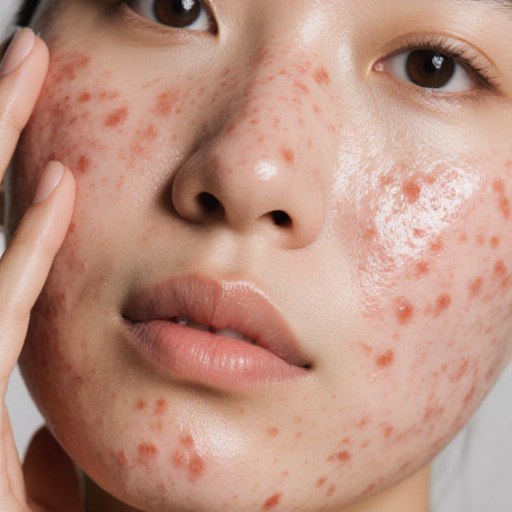
The pimple is gone, but the mark remains. Post-acne hyperpigmentation—those stubborn dark or red spots that linger long after a breakout heals—affects nearly everyone who has struggled with acne. In Singapore’s tropical climate, where UV exposure is relentless and humidity can worsen inflammation, these marks often feel like they take forever to disappear. The good news? You do not need harsh chemicals or prescription treatments to fade them. Nature provides powerful, clinically validated ingredients that can restore even tone and clarity without compromising your skin’s health.
Understanding Post-Acne Marks vs. True Scars
Before treating marks, it is essential to know what you are dealing with. Post-inflammatory hyperpigmentation (PIH) is flat discoloration caused by excess melanin production during the healing process . It appears as dark brown, purple, or red patches and typically fades over time with the right care. True acne scars, by contrast, involve textural changes—indentations, raised tissue, or pitted skin—that require different interventions .
Organic ingredients excel at addressing PIH because they work by inhibiting melanin production, accelerating cell turnover, and calming inflammation at the source. For deeper scars, professional treatments may eventually be needed, but fading the discoloration is an excellent first step that organic skincare handles beautifully.
The Most Effective Organic Ingredients for Fading Marks
Vitamin C: The Brightening Powerhouse
Vitamin C is one of the most effective natural ingredients for fading dark spots. As a potent antioxidant, it neutralizes free radicals that worsen hyperpigmentation while actively inhibiting tyrosinase—the enzyme responsible for melanin production . This dual action prevents new marks from forming while lightening existing discoloration.
For organic skincare, look for stable, plant-derived forms of vitamin C such as magnesium ascorbyl phosphate or kakadu plum extract, which contains the highest known concentration of vitamin C of any fruit . Regular morning application, followed by sunscreen, creates a protective brightening routine that delivers visible results over 8 to 12 weeks.
Kojic Acid: Fermented Rice Brilliance
Kojic acid is produced during the fermentation of rice and certain fungi. It works by blocking tyrosine, the amino acid required for melanin synthesis . By interrupting this production pathway, kojic acid gradually fades dark spots and prevents new ones from developing.
In organic formulations, kojic acid derived from fermented rice is particularly valuable because it also provides gentle exfoliation, loosening dead skin cells to reveal brighter skin beneath . It pairs beautifully with vitamin C for enhanced brightening and is safe for long-term daily use.
Licorice Root Extract: Nature’s Gentle Brightener
Licorice root contains glabridin, a compound that inhibits melanin production and disperses existing pigment clusters . Unlike harsh bleaching agents, licorice root soothes while it brightens, making it ideal for sensitive, post-acne skin that may still be recovering from inflammation.
This botanical has been used in traditional Chinese medicine for centuries and is now recognized by dermatologists as one of the most effective natural alternatives to hydroquinone . Look for organic serums and creams that feature licorice extract prominently in their ingredient lists.
Niacinamide: The Barrier-Supporting Brightener
While niacinamide is technically nature-identical rather than extracted directly from plants, its compatibility with organic skincare is undeniable. This form of vitamin B3 inhibits melanin transfer to skin cells, reducing the appearance of dark spots while strengthening the skin barrier and reducing inflammation .
At concentrations of 4 to 5 percent, niacinamide significantly improves hyperpigmentation without the irritation associated with stronger actives . For acne-prone skin, it offers the added benefit of regulating oil production and minimizing pore appearance.
Azelaic Acid: The Grain-Derived Multi-Tasker
Azelaic acid is naturally derived from grains like barley, wheat, and rye. It possesses both anti-inflammatory and antimicrobial properties that calm active breakouts while fading the marks they leave behind . As a natural botanical brightener, it addresses uneven skin tone and dark spots with a gentleness that makes it suitable even for sensitive skin and safe during pregnancy .
Rosehip Seed Oil: Regeneration from Nature
Rosehip seed oil is believed to be one of the most effective natural remedies for reducing acne scars and treating pigmentation . Rich in natural vitamin A compounds and essential fatty acids, it encourages cell turnover and collagen production, gradually smoothing texture and fading discoloration. Applied twice daily and massaged into affected areas, it supports the skin’s natural healing process without the harshness of synthetic retinoids .
Aloe Vera: Soothing Healing
Pure aloe vera gel contains aloin and aloesin, natural depigmenting compounds that can lighten skin and help treat hyperpigmentation . Its anti-inflammatory properties calm residual redness from recent breakouts, while its healing compounds support faster skin repair. For best results, apply pure aloe vera gel to pigmented areas before bedtime and rinse in the morning, repeating daily until skin tone evens out .
Building Your Organic Mark-Fading Routine
An effective organic approach to post-acne marks requires consistency, layering, and sun protection. Here is a framework:
Morning: Cleanse gently, apply a vitamin C serum or licorice root extract treatment, follow with niacinamide if using, moisturize, and finish with broad-spectrum SPF 30 or higher. Sunscreen is non-negotiable—UV exposure darkens PIH and undoes weeks of progress .
Evening: Cleanse, apply a kojic acid or azelaic acid treatment, follow with rosehip seed oil or a nourishing organic moisturizer. For enhanced regeneration, consider an aloe vera application before bed.
Weekly: Incorporate a gentle enzyme exfoliation using papaya or pineapple-derived enzymes to accelerate cell turnover without the irritation of physical scrubs.
Setting Realistic Expectations
Organic ingredients work with your skin’s natural renewal cycle, which takes approximately 28 days. Fading post-acne marks is not an overnight process—most people see noticeable improvement after 6 to 12 weeks of consistent use . The deeper or older the mark, the longer it takes. Patience and persistence are your greatest allies.
For marks that persist beyond six months of dedicated organic care, or for true acne scars involving texture changes, professional treatments such as microneedling or chemical peels may be worth considering as complementary options .
Final Thoughts: Nature’s Patience, Nature’s Results
Post-acne marks can feel like a cruel reminder of breakouts you thought were behind you. But with the right organic ingredients and a consistent approach, they do fade. Vitamin C brightens, kojic acid inhibits, licorice soothes, niacinamide supports, azelaic acid clarifies, rosehip regenerates, and aloe heals. Together, these botanical allies offer a comprehensive, gentle pathway to the clear, even-toned skin you deserve.
In Singapore’s challenging tropical climate, where the sun constantly tests your skin’s resilience, this organic approach is not just effective—it is sustainable. No harsh chemicals, no compromised barriers, just nature working in harmony with your skin.
Ready to fade your post-acne marks naturally? Explore our full collection of organic skincare and discover brightening formulations crafted for clear, radiant skin. To make informed choices from day one, learn how to read organic skincare labels like a pro.