Choosing skincare products based on your skin type can make it easier to build a routine that feels comfortable and is simple to maintain. With the growing popularity of botanical and plant-based beauty products, many consumers are also looking for organic skincare options that fit their individual needs.
However, not every organic skincare product is suitable for every person. A rich moisturiser may work well for dry skin but feel too heavy for oily skin, while a lightweight gel may be comfortable for oily skin but not provide enough moisture for someone with very dry skin.
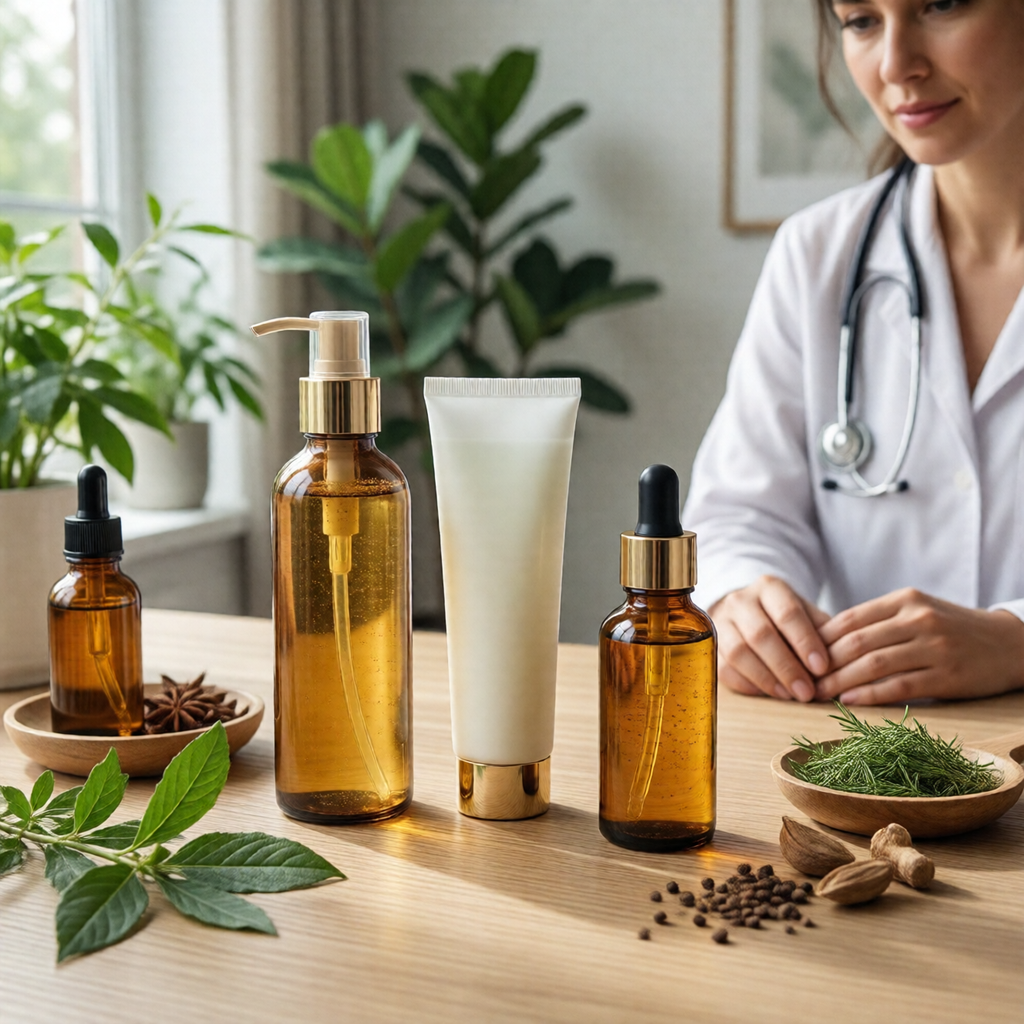
Understanding your skin type is therefore an important first step before choosing skincare products.
Table of Contents
- Why Your Skin Type Matters
- How to Identify Your Skin Type
- Organic Skincare for Dry Skin
- Organic Skincare for Oily Skin
- Organic Skincare for Combination Skin
- Organic Skincare for Sensitive Skin
- Organic Skincare for Normal Skin
- Ingredients to Consider
- Ingredients to Use With Care
- How to Build a Simple Routine
- Tips for Choosing Products
- Conclusion
Why Your Skin Type Matters
Skincare is not one-size-fits-all.
Everyone’s skin has different characteristics, and these can change over time because of age, weather, lifestyle, stress and environmental conditions.
For example, Singapore’s warm and humid climate may make heavy skincare products feel uncomfortable for some people, while frequent exposure to air conditioning may leave other people’s skin feeling dry.
Choosing products based on your skin type can help you avoid unnecessary discomfort and create a routine that is easier to follow consistently.
How to Identify Your Skin Type
The most common skin types are dry, oily, combination and normal. Some people also have sensitive skin, which can occur alongside any of these types.
Dry Skin
Dry skin may feel tight, rough or uncomfortable, particularly after cleansing.
It may also appear flaky or lack the soft, supple feeling associated with well-moisturised skin.
Oily Skin
Oily skin tends to produce more sebum.
You may notice excess shine, particularly around the forehead, nose and chin.
Combination Skin
Combination skin generally has both oily and dry areas.
The T-zone may appear oily while the cheeks or other areas feel more normal or dry.
Normal Skin
Normal skin is generally well balanced and does not tend to be excessively oily or dry.
Even normal skin still requires regular cleansing, moisturising and sun protection.
Sensitive Skin
Sensitive skin may react more easily to certain products or environmental conditions.
Signs can include redness, stinging, dryness or discomfort.
Organic Skincare for Dry Skin
If you have dry skin, focus on products that help provide and retain moisture.
Rich moisturisers containing ingredients such as shea butter, jojoba oil or suitable botanical oils may be useful.
A gentle cleanser can also help prevent unnecessary dryness.
Avoid using excessively harsh cleansing products or washing your face more frequently than necessary.
For dry skin, a simple routine could include a gentle cleanser, hydrating serum, rich moisturiser and sunscreen.
If your skin becomes particularly dry, you may prefer a richer moisturising product in the evening.
Organic Skincare for Oily Skin
Oily skin may benefit from lightweight skincare formulations.
A gentle cleanser can help remove excess oil without excessively stripping the skin.
Lightweight moisturisers and water-based or gel-type products may feel more comfortable than rich creams.
A common misconception is that oily skin does not need moisturiser. In reality, maintaining appropriate hydration remains an important part of a balanced skincare routine.
Look for products that provide hydration without leaving a heavy or greasy feeling.
Organic Skincare for Combination Skin
Combination skin requires a balanced approach because different areas may have different needs.
A lightweight moisturiser may work well across most of the face, while drier areas may benefit from additional moisture.
Avoid automatically treating your entire face as oily simply because your T-zone produces excess oil.
Similarly, applying a very rich cream across the entire face may not be comfortable if some areas are already oily.
A flexible routine can help you adjust the amount and texture of products depending on how different areas of your skin feel.
Organic Skincare for Sensitive Skin
Sensitive skin requires extra attention when choosing products.
Natural and organic ingredients can be appealing, but remember that natural does not automatically mean irritation-free.
Products with simple formulations and fewer potentially irritating ingredients may be easier to incorporate into a sensitive skincare routine.
You may also prefer products without strong fragrances or highly concentrated essential oils.
Introduce one new product at a time and consider patch testing before using it more extensively.
If your skin experiences persistent or severe irritation, seek professional medical advice.
Organic Skincare for Normal Skin
Normal skin is generally well balanced, but that does not mean it requires a complicated routine.
A basic cleanser, moisturiser and sunscreen may be sufficient for everyday care.
You can add other products according to your personal preferences and skincare goals.
If you enjoy botanical ingredients, you may choose products containing aloe vera, green tea, jojoba oil or other plant-derived ingredients.
The most important thing is to maintain a routine that is comfortable and easy to follow.
Ingredients to Consider
Different botanical ingredients can serve different purposes in skincare.
Aloe Vera
Aloe vera is commonly used in lightweight hydrating and soothing formulations.
It can be found in gels, moisturisers, masks and facial products.
Jojoba Oil
Jojoba oil is commonly used in moisturisers and facial oils.
Its relatively lightweight texture makes it suitable for many different formulations.
Shea Butter
Shea butter has a richer texture and is often included in moisturisers designed for dry skin.
Green Tea
Green tea extract is frequently used in skincare products because of its naturally occurring antioxidants.
It can be found in serums, cleansers and moisturisers.
Ingredients to Use With Care
Even when shopping for organic skincare, you should pay attention to the complete ingredient list.
Essential oils, fragrances and concentrated botanical extracts may not be suitable for everyone.
If you have sensitive skin, introducing products slowly can help you understand how your skin responds.
Do not assume that a product is suitable simply because its label contains words such as natural, organic or botanical.
The complete formulation matters.
How to Build a Simple Routine
A simple routine is usually easier to maintain than a complicated one.
Morning
Start with a gentle cleanser if needed.
Follow with a suitable moisturiser.
Finish with broad-spectrum sunscreen.
Evening
Cleanse the skin gently.
Apply a serum if one is appropriate for your needs.
Finish with your chosen moisturiser.
Additional products such as masks or facial oils can be added occasionally according to your preferences.
Tips for Choosing Products
When comparing products, look beyond the marketing claims.
Read the ingredient list and consider whether the product is appropriate for your skin type.
Choose products based on your actual needs rather than buying several products simply because they contain popular botanical ingredients.
If you are new to organic skincare, start with basic products before adding specialised treatments.
It is also useful to introduce new products individually. This makes it easier to identify which product your skin likes or dislikes.
Finally, consider the climate in which you live. In Singapore, lightweight formulations may be more comfortable during hot and humid conditions, while richer products may be useful when your skin feels dry.
Conclusion
Choosing the right skincare products starts with understanding your own skin.
Dry, oily, combination, normal and sensitive skin can all benefit from different approaches. Organic skincare provides a wide range of botanical ingredients and formulations, but the word organic alone does not determine whether a product is right for you.
Look at the complete ingredient list, consider the product’s texture and purpose, and introduce new products gradually.
A simple routine built around your skin’s needs can help you enjoy the benefits of natural and organic beauty products while keeping your everyday skincare practical and consistent.