• Skip to primary navigation
  • Skip to main content
  • HOME
  • SHOP
    • Cleanser
    • Serum
    • Day Cream
    • Toner
  • OUR STORY
  • BLOG
  • HOME
  • SHOP
    • Cleanser
    • Serum
    • Day Cream
    • Toner
  • OUR STORY
  • BLOG

organic skincare

The Science Behind Organic Skincare: How Botanicals Interact With Your Skin

August 7, 2025 by admin

Table of Contents

  1. Introduction
  2. The Skin: Your Body’s Protective Barrier
  3. Why Organic Skincare Is Different
  4. Key Botanical Ingredients and Their Benefits
    • Aloe Vera
    • Green Tea
    • Chamomile
    • Rosehip Oil
    • Shea Butter
  5. How Botanicals Work With Skin Biology
    • Antioxidant Protection
    • Anti-Inflammatory Effects
    • Hydration and Barrier Support
  6. Scientific Evidence Supporting Botanicals
  7. Choosing the Right Organic Skincare Products
  8. The Future of Organic Skincare Science
  9. Conclusion

1. Introduction

Organic skincare has moved far beyond a passing beauty trend. Today, many people are curious about how natural botanicals actually interact with skin on a biological level. While “organic” often makes us think of health and purity, science shows that plant-based ingredients can deliver measurable benefits to skin health. Understanding this interaction helps consumers make better choices and builds confidence that organic skincare is not just marketing—it is supported by real science.
The Science Behind Organic Skincare: How Botanicals Interact With Your Skin

2. The Skin: Your Body’s Protective Barrier

Before exploring botanicals, it is important to understand how skin functions. The skin is the body’s largest organ, acting as a barrier to protect against pollution, bacteria, and environmental damage. Its outermost layer, the stratum corneum, is made of dead skin cells and natural oils. When this barrier is disrupted, skin becomes dry, irritated, or prone to breakouts. Skincare products aim to strengthen this barrier, deliver nutrients, and support repair.


3. Why Organic Skincare Is Different

Conventional skincare often relies on synthetic fragrances, preservatives, and petrochemical derivatives. While effective in some ways, these ingredients can sometimes irritate sensitive skin or cause long-term concerns. Organic skincare focuses on plant-derived compounds grown without pesticides or synthetic fertilizers. These botanicals are naturally rich in vitamins, minerals, antioxidants, and fatty acids—nutrients the skin can recognize and use effectively.


4. Key Botanical Ingredients and Their Benefits

Aloe Vera

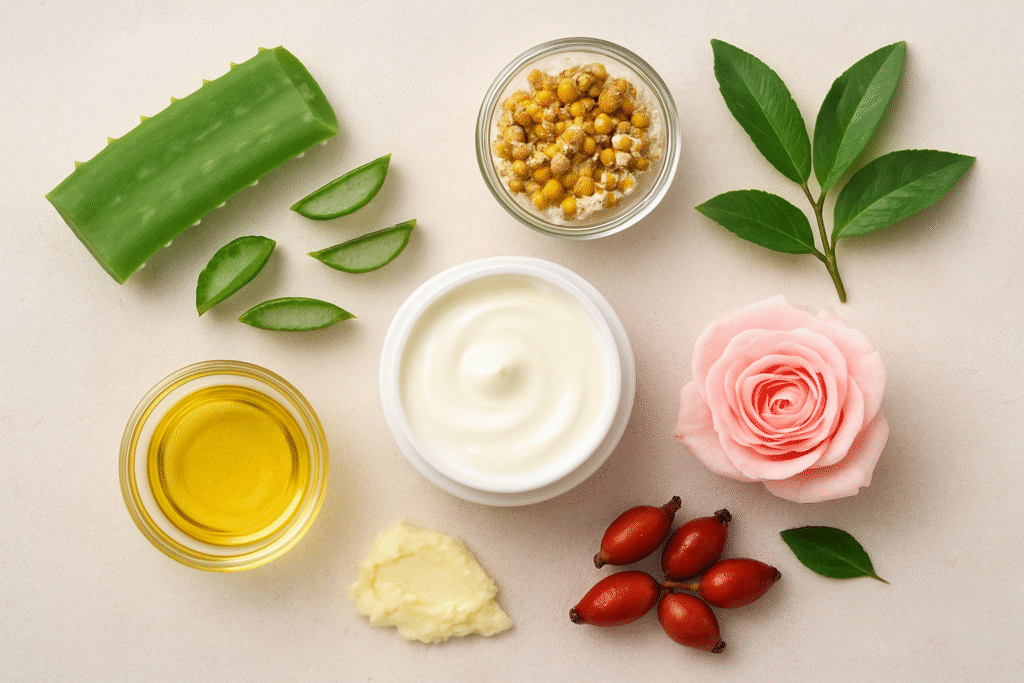
Aloe vera is widely studied for its soothing and healing properties. Its gel contains polysaccharides that hydrate the skin, while compounds like aloin help reduce redness and irritation. It is especially beneficial for sunburns, dryness, and sensitive skin.

Green Tea

Green tea extract is rich in polyphenols, particularly epigallocatechin gallate (EGCG). These compounds act as powerful antioxidants, neutralizing free radicals that accelerate skin aging. Research suggests that green tea can help reduce UV damage and calm inflammation.

Chamomile

Chamomile contains flavonoids and essential oils that have strong anti-inflammatory and calming effects. It is particularly effective for irritated or sensitive skin, helping to reduce redness, swelling, and discomfort.

Rosehip Oil

Rosehip oil is packed with vitamin C, vitamin A (as beta-carotene), and essential fatty acids. It supports collagen production, reduces fine lines, and improves skin elasticity. It is also known for reducing scars and hyperpigmentation.

Shea Butter

Shea butter is a natural emollient rich in fatty acids and vitamins E and A. It strengthens the skin barrier, locks in moisture, and protects against environmental stressors. It is especially helpful for dry or eczema-prone skin.


5. How Botanicals Work With Skin Biology

Antioxidant Protection

Our skin is constantly exposed to free radicals from UV rays, pollution, and stress. These unstable molecules damage skin cells, leading to premature aging. Botanicals like green tea and rosehip provide antioxidants that neutralize free radicals, slowing down the aging process and keeping skin healthier.

Anti-Inflammatory Effects

Inflammation is at the root of many skin issues, including acne, rosacea, and sensitivity. Botanicals such as chamomile and aloe vera contain bioactive compounds that calm irritation, reduce swelling, and balance skin tone.

Hydration and Barrier Support

Hydration is vital for skin health. Ingredients like aloe vera and shea butter supply humectants and lipids that restore the skin’s natural moisture barrier. A strong barrier prevents water loss and keeps skin resilient against environmental stressors.


6. Scientific Evidence Supporting Botanicals

Numerous studies back up the benefits of botanicals in skincare. For instance, green tea extract has been shown in clinical trials to reduce UV damage and photoaging. Aloe vera has documented wound-healing and hydrating properties. Rosehip oil has been linked to improved scar healing and increased skin elasticity. These findings demonstrate that the effectiveness of organic skincare is not just anecdotal—it has scientific validation.


7. Choosing the Right Organic Skincare Products

When shopping for organic skincare, it is important to look beyond marketing labels. Certifications such as USDA Organic or COSMOS Organic can ensure ingredient authenticity. Reading ingredient lists carefully allows consumers to identify botanical actives, avoid unnecessary fillers, and select products suited for their skin type. For example, someone with oily skin may benefit from green tea serums, while those with dry skin might prefer shea butter creams.


8. The Future of Organic Skincare Science

The beauty industry is increasingly investing in research that merges traditional botanical knowledge with modern science. Advances in extraction methods and formulation technology are improving the stability and potency of plant compounds. In the future, we can expect more targeted organic skincare solutions that deliver both immediate results and long-term skin health benefits.


9. Conclusion

Organic skincare is not simply about avoiding chemicals—it is about embracing the science of botanicals and their powerful interaction with the skin. From antioxidant protection to hydration and inflammation control, plant-based ingredients provide measurable benefits. As research continues to uncover the mechanisms behind these effects, organic skincare will gain even more credibility and effectiveness. For consumers seeking natural beauty with proven results, botanicals offer a path where science and nature work hand in hand.
Filed Under: organic skincare

The Truth About Organic Sunscreens: What to Look for and What to Avoid

July 27, 2025 by admin

Sun protection is a non-negotiable step in any skincare routine, especially if you’re aiming to prevent premature aging, sunburn, and the risk of skin cancer. But as awareness grows around the potential health and environmental risks of chemical sunscreens, more consumers are turning to organic sunscreens as a safer, more eco-conscious alternative. However, not all “organic” sunscreens are created equal. Some may still contain synthetic additives or offer inadequate protection.

The Truth About Organic Sunscreens: What to Look for and What to Avoid

In this article, we’ll explore the differences between organic and conventional sunscreens, how to read sunscreen labels like a pro, and what to look for (and avoid) when choosing an effective organic sunscreen for your daily routine.

Why Sunscreen Matters in Skincare

Ultraviolet (UV) radiation from the sun causes DNA damage in skin cells, leading to:

  • Premature aging (wrinkles, pigmentation, sagging)
  • Sunburn
  • Increased risk of skin cancer

Sunscreen forms a protective barrier, either by absorbing or reflecting UV rays, depending on the active ingredients used.

There are two main types of sunscreen:

  • Chemical sunscreens, which use synthetic compounds to absorb UV rays.
  • Physical (mineral) sunscreens, which use natural minerals to reflect UV rays.

Organic sunscreens typically fall under the latter category, though not always.

What Is an Organic Sunscreen?

An organic sunscreen generally refers to a product made with natural, plant-based, or mineral ingredients that avoid synthetic chemicals, parabens, artificial fragrances, and harsh preservatives. These sunscreens focus on skin health and environmental safety, particularly with reef-safe formulations.

Note: The term “organic” is often loosely regulated in cosmetics, so it’s important to go beyond marketing labels and read the ingredients list carefully.

Key Active Ingredients in Organic Sunscreens

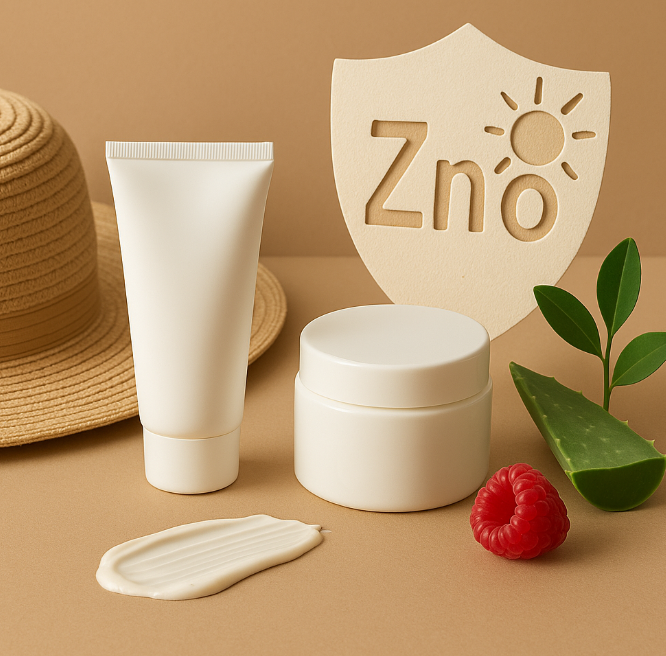
The most common and effective mineral-based ingredients in organic sunscreens are:

1. Zinc Oxide

  • Provides broad-spectrum protection (UVA and UVB).
  • Non-irritating and anti-inflammatory, making it ideal for sensitive skin.
  • Naturally photostable and safe for coral reefs.
  • Often leaves a white cast, though newer micronized formulas reduce this.

2. Titanium Dioxide

  • Primarily blocks UVB and short UVA rays.
  • Gentle on the skin and non-comedogenic.
  • Often used in combination with zinc oxide for fuller coverage.

These are the only two physical sunscreen ingredients approved by most regulatory agencies (including the FDA) and widely accepted in organic formulations.

Ingredients to Avoid in Sunscreens (Especially If You Want Organic)

Some chemical sunscreen ingredients are flagged for potential health and environmental concerns. Here’s what to watch out for:

1. Oxybenzone

  • Linked to hormone disruption and allergic skin reactions.
  • Harmful to coral reefs and marine ecosystems.

2. Octinoxate

  • Also environmentally damaging to coral reefs.
  • May interfere with thyroid function.

3. Homosalate, Octocrylene, Avobenzone

  • Concerns over stability, hormone disruption, and skin irritation.
  • Often used in conventional sunscreens for high SPF claims.

If a sunscreen claims to be “organic” but contains any of these, it’s best to avoid it.

How to Read Organic Sunscreen Labels

Don’t be misled by greenwashing. Here’s how to interpret the packaging:

  • SPF Rating: Choose at least SPF 30 for everyday use. SPF 50 is ideal for prolonged outdoor activity.
  • Broad Spectrum: Ensures protection from both UVA (aging) and UVB (burning) rays.
  • Reef-Safe: Indicates absence of coral-harming chemicals like oxybenzone and octinoxate.
  • Certified Organic: Look for certifications from USDA Organic, COSMOS, Ecocert, or NSF/ANSI 305. This confirms actual organic content.
  • Non-Nano: Non-nano zinc oxide means the particles are too large to penetrate the skin or harm marine life. Safer for both you and the planet.

Pros and Cons of Organic Sunscreens

Pros:

  • Safer for sensitive and acne-prone skin.
  • Environmentally friendly and reef-safe.
  • Free from synthetic chemicals and preservatives.
  • Often rich in nourishing ingredients like shea butter, aloe vera, and green tea extract.

Cons:

  • Can leave a white cast (especially on deeper skin tones).
  • May feel thicker or heavier than chemical sunscreens.
  • Requires more frequent reapplication, especially when sweating or swimming.

Best Practices for Using Organic Sunscreen

  • Apply generously: Most people under-apply sunscreen. Use about a teaspoon for the face and a shot-glass amount for the body.
  • Reapply every 2 hours: Especially after swimming, sweating, or towel-drying.
  • Layer with skincare: Apply sunscreen after your moisturizer and before makeup.
  • Use daily: UV rays penetrate clouds and windows. Make SPF part of your morning routine year-round.

Bonus: Organic Ingredients That Boost UV Defense

While not a replacement for sunscreen, certain organic ingredients provide mild UV protection and antioxidant support:

  • Raspberry seed oil: Offers natural UVB protection.
  • Carrot seed oil: Known for antioxidant-rich, anti-aging properties.
  • Green tea extract: Helps reduce UV-induced skin damage.
  • Aloe vera: Soothes and repairs sun-exposed skin.

These are often found in organic sunscreens or after-sun care products.

Conclusion

Choosing an organic sunscreen is not just a matter of protecting your skin—it’s also about protecting your health and the environment. Look for formulations with zinc oxide or titanium dioxide, avoid known irritants and reef-damaging chemicals, and always check for third-party certifications to ensure authenticity. With consistent use, a well-formulated organic sunscreen can help you maintain youthful, healthy skin while aligning with clean beauty values.

Filed Under: organic skincare

Seasonal Skincare Tips: Adapting Your Organic Routine for Humid and Dry Climates

July 20, 2025 by admin

Your skin’s needs change just like the weather. A routine that works well in dry, cool months may cause breakouts or oiliness in the summer, while products that feel perfect during humid weather may leave your skin parched in the winter. Adjusting your organic skincare routine based on climate—especially when traveling or during seasonal changes—is key to maintaining a healthy, balanced complexion. In this article, we explore how to adapt your organic skincare regimen for both humid and dry climates using natural, skin-friendly ingredients.

Seasonal Skincare Tips: Adapting Your Organic Routine for Humid and Dry Climates

Why Climate Affects Your Skin

Your skin is the first barrier between you and the environment, and it constantly reacts to temperature, humidity, wind, and sun exposure.

  • In humid climates, excess moisture in the air can lead to more sweat and oil production, clogged pores, and breakouts.
  • In dry climates, low humidity draws moisture out of your skin, causing flakiness, tightness, and increased sensitivity.

Because these environmental factors directly affect your skin’s moisture balance and barrier function, it’s important to rotate your skincare products and practices accordingly.

Core Principles of Climate-Adaptive Organic Skincare

  1. Listen to your skin – Daily observation helps you respond to subtle changes quickly.
  2. Simplify and swap – Don’t overhaul your entire routine; adjust a few key products based on what your skin is asking for.
  3. Use multipurpose organic products – Ingredients like aloe vera, jojoba oil, and rose water work across different conditions with some adjustments in how they’re used.

Now, let’s break it down by climate.


Skincare Tips for Humid Climates

In tropical or summer weather, humidity levels rise and your skin may feel greasy, sticky, or prone to congestion. The goal is to keep skin clean, balanced, and lightly hydrated without clogging pores.

1. Cleanse with a Lightweight Organic Gel or Foam

Look for gentle organic cleansers that contain tea tree oil, aloe vera, or cucumber. These ingredients cleanse effectively while calming irritation and preventing breakouts.

2. Use a Mild, Alcohol-Free Toner

Toners made from rose water or witch hazel can help control excess oil while refreshing the skin. Avoid toners with synthetic astringents, which may over-strip and trigger rebound oiliness.

3. Opt for Oil-Free Hydration

In humid weather, swap heavy creams for lighter textures. Use aloe vera gel, hyaluronic acid serums, or oil-free organic moisturizers with glycerin or green tea extract.

4. Exfoliate Regularly (But Gently)

With more sweat and oil production, gentle exfoliation is important to prevent clogged pores. Use fruit enzyme-based exfoliants (like papaya or pineapple) 1–2 times a week.

5. Use Non-Comedogenic Sunscreens

Choose mineral-based sunscreens (like zinc oxide) that are labeled non-comedogenic. Organic sunscreens with light textures and no synthetic fragrances are less likely to cause breakouts.


Skincare Tips for Dry Climates

Whether you’re facing cold winters or living in an arid environment, dry climates pull moisture from your skin. Your routine should focus on deep hydration, nourishment, and barrier repair.

1. Use a Creamy, Moisturizing Cleanser

Switch to a milk or oil-based organic cleanser containing ingredients like shea butter, calendula, or coconut oil. These cleanse gently without depleting moisture.

2. Apply a Hydrating Mist or Toner Immediately After Cleansing

Mists with rose water, lavender hydrosol, or chamomile are excellent for layering moisture. Spray onto damp skin to prep it for serums and creams.

3. Layer Moisture With Oils and Creams

In dry climates, layering is key. Start with a hydrating serum (e.g., hyaluronic acid), follow with a rich moisturizer, and seal it with a nourishing facial oil like argan, marula, or rosehip.

4. Introduce Night Masks or Balms

Organic overnight masks or balm-based moisturizers with beeswax or cocoa butter create a barrier that locks in hydration overnight.

5. Protect With Sunscreen and Humidify Indoors

Dry air doesn’t mean sun protection is optional. Use a mineral SPF daily. Consider using a humidifier at home to maintain ambient moisture, especially at night.


Transitioning Between Seasons

Many people experience “in-between” phases during spring and autumn where their skin can feel inconsistent. Here’s how to handle the transition:

  • Gradually shift products: Introduce new textures (e.g., from gel to cream) one at a time.
  • Use multipurpose ingredients: Aloe vera, jojoba oil, and honey can suit both dry and humid conditions depending on how you apply them.
  • Watch for signs: Tightness, dullness, or sudden breakouts are signals to reassess your climate strategy.

Sample Organic Routine for Humid vs Dry Climates

StepHumid ClimateDry Climate
CleanserAloe-based gel cleanserCalendula-infused cream cleanser
TonerWitch hazel or rose waterRose or chamomile hydrosol
SerumGreen tea or hyaluronic acidHyaluronic acid + vitamin E
MoisturizerOil-free gel moisturizerShea butter or cocoa-based rich cream
ExtraClay mask weekly, non-comedogenic SPFOvernight balm, hydrating mask weekly

Ingredients to Look for Based on Climate

Best for Humid Climates:

  • Aloe vera
  • Cucumber extract
  • Green tea
  • Witch hazel
  • Lightweight jojoba oil

Best for Dry Climates:

  • Shea butter
  • Coconut oil
  • Argan oil
  • Rosehip oil
  • Hyaluronic acid
  • Honey

Conclusion

Your skincare needs don’t remain static, and neither should your routine. By adjusting your organic skincare regimen to suit your climate—whether humid or dry—you can maintain balanced, healthy skin year-round. The power of organic skincare lies in its adaptability: with the right natural ingredients and mindful application, your skin can thrive in any environment. Let the seasons guide you, and listen to your skin—it knows what it needs.

Filed Under: organic skincare

Understanding Skin Microbiome: How Organic Skincare Supports Healthy Skin Flora

July 13, 2025 by admin

Our skin is not just a protective barrier—it’s also a living ecosystem. Covering every inch of our body is a complex community of microorganisms known as the skin microbiome. This diverse population includes bacteria, fungi, and even viruses that play a crucial role in maintaining healthy skin. When balanced, these microbes protect against harmful pathogens, regulate inflammation, and support the skin’s barrier function. But when disrupted, skin problems like acne, eczema, dryness, and sensitivity can arise. This is where organic skincare comes into play.

In this article, we explore what the skin microbiome is, why it’s essential for skin health, and how organic skincare products can help preserve and nurture this delicate balance.

Understanding Skin Microbiome: How Organic Skincare Supports Healthy Skin Flora

What Is the Skin Microbiome?

The skin microbiome refers to the trillions of microorganisms living on the surface of our skin. These microbes vary in type and function depending on the part of the body—oily areas like the forehead or back harbor different microbial populations than dry areas like the hands or forearms.

Rather than being harmful, most of these microbes are beneficial or neutral. They form a symbiotic relationship with us, contributing to:

  • Barrier protection: By occupying space and resources, beneficial microbes prevent colonization by harmful bacteria.
  • pH balance: Some microbes produce acids that help maintain the slightly acidic pH of the skin, discouraging harmful invaders.
  • Immune system training: A healthy microbiome teaches the skin’s immune system to respond appropriately, reducing chronic inflammation.

How the Skin Microbiome Affects Skin Health

When the microbiome is balanced, skin tends to appear smooth, hydrated, and resilient. But when it’s disrupted—by harsh products, over-cleansing, antibiotics, or environmental pollutants—it can lead to skin disorders and accelerate aging.

An imbalanced microbiome can:

  • Increase skin sensitivity
  • Trigger inflammation
  • Impair the skin barrier, leading to moisture loss
  • Make skin more susceptible to infections or flare-ups

Maintaining or restoring microbiome balance is essential for preventing these issues and supporting overall skin health.

Why Conventional Skincare Can Disrupt the Microbiome

Many conventional skincare products contain synthetic preservatives, harsh surfactants, or antimicrobial agents that can strip the skin of its natural oils and destroy both harmful and beneficial bacteria.

Common disruptors include:

  • Sulfates: These foaming agents can over-cleanse the skin.
  • Alcohol-based toners: While refreshing, they can dry out and disrupt microbial communities.
  • Synthetic fragrances: Known to irritate the skin and potentially affect the microbiome.
  • Broad-spectrum preservatives: These can eliminate good bacteria along with bad.

Over time, these ingredients may damage the skin’s ecosystem and contribute to chronic skin issues.

How Organic Skincare Supports the Microbiome

Organic skincare products are formulated with natural, plant-based ingredients and typically avoid harsh chemicals that disturb microbial balance. Here’s how they help:

1. Gentle Formulation

Organic cleansers and toners tend to be milder, avoiding sulfates and alcohols. Instead, they use ingredients like:

  • Aloe vera
  • Chamomile
  • Rose water
  • Coconut-derived surfactants

These cleanse without stripping natural oils, helping preserve the microbiome.

2. Prebiotics and Probiotics

Some organic formulations include prebiotics (ingredients that feed good bacteria) or probiotics (live beneficial bacteria). These can enhance the skin’s resilience and crowd out harmful microbes.

  • Prebiotic examples: Inulin, oat extract, plant sugars
  • Probiotic examples: Ferments like lactobacillus or bifida

These support the growth of beneficial microbes and restore balance after disruptions.

3. pH-Friendly Ingredients

The skin’s natural pH is slightly acidic (around 4.5 to 5.5), which supports the growth of good bacteria. Organic products often avoid alkaline ingredients and use natural acids (like fruit acids or vinegar) to maintain healthy pH levels.

4. Nutrient-Rich Oils

Cold-pressed, organic plant oils like jojoba, rosehip, and argan nourish the skin without clogging pores. These oils mimic the skin’s natural sebum, helping to maintain moisture and protect microbial habitats.

5. Fewer Irritants

Organic skincare usually avoids artificial preservatives, dyes, and synthetic fragrances—common irritants that can disrupt the skin barrier and microbiome. By minimizing these, organic skincare helps sensitive skin stay calm and balanced.

Building a Microbiome-Friendly Organic Skincare Routine

1. Cleanser

Use a sulfate-free organic cleanser that doesn’t leave your skin feeling tight. A milk or oil-based cleanser can be especially gentle.

2. Toner

Choose a hydrosol or botanical mist like rose or chamomile water. Avoid astringents with high alcohol content.

3. Serum or Moisturizer

Opt for products with natural oils, prebiotic ingredients, or soothing extracts like calendula or green tea. Look for pH-balanced formulations.

4. Weekly Treatments

Use a gentle clay mask once a week to detox without stripping, and consider fermented masks to reintroduce probiotics.

5. Sunscreen

A mineral-based sunscreen (like zinc oxide) protects without disrupting the microbiome like chemical sunscreens sometimes can.

Tips for Supporting Your Microbiome Beyond Skincare

  • Avoid over-washing: Washing too often, especially with hot water, can strip away beneficial microbes.
  • Be cautious with antibiotics: Topical or oral antibiotics can impact skin flora. Only use them when medically necessary.
  • Let your skin breathe: Go makeup-free when possible to allow your skin’s ecosystem to thrive.
  • Eat a diverse diet: A gut-healthy diet full of fiber and fermented foods supports overall microbiome health, including the skin.
  • Manage stress: Chronic stress can negatively affect the microbiome and worsen skin conditions.

Conclusion

Your skin’s microbiome plays a vital role in maintaining healthy, radiant skin. By switching to organic skincare, you can protect and support this delicate ecosystem. Organic products—rich in botanicals, free of harsh chemicals, and often formulated with microbiome-friendly ingredients—help create an environment where good bacteria can flourish. As science continues to reveal the connection between microbes and skin health, nurturing your skin flora may be one of the most powerful and natural ways to keep your skin looking its best.

Filed Under: organic skincare

How to Incorporate Organic Skincare Into Your Anti-Aging Routine

July 6, 2025 by admin

As we age, our skin undergoes a variety of changes that can include fine lines, wrinkles, loss of elasticity, and uneven tone. Many people turn to skincare products to combat these signs of aging, but increasingly, there is a growing interest in organic skincare as a natural, gentle, and effective alternative.

How to Incorporate Organic Skincare Into Your Anti-Aging Routine

Incorporating organic skincare into your anti-aging routine can help nourish your skin, protect it from environmental damage, and promote a youthful appearance without the use of harsh chemicals or synthetic ingredients. In this article, we will explore how to effectively integrate organic skincare products into your daily regimen for optimal anti-aging benefits.

Understanding Organic Skincare

Organic skincare products are made from ingredients that are grown without synthetic pesticides, fertilizers, or genetically modified organisms (GMOs). They often contain plant-based extracts, essential oils, vitamins, and antioxidants that work in harmony with the skin’s natural processes. Because organic products avoid many harsh chemicals commonly found in conventional skincare, they are less likely to cause irritation or adverse reactions, making them suitable for sensitive and aging skin.

The Benefits of Organic Skincare for Aging Skin

Aging skin requires extra care and gentle treatment. Organic skincare offers several benefits that make it especially well-suited for anti-aging routines:

  1. Rich in antioxidants: Organic ingredients like green tea, vitamin C, and rosehip oil provide antioxidants that protect the skin from free radical damage, which accelerates aging.
  2. Hydrating and nourishing: Natural oils such as jojoba, argan, and almond oil deeply moisturize the skin, helping to maintain elasticity and prevent dryness.
  3. Gentle exfoliation: Organic acids from fruits (like lactic acid from fermented milk or glycolic acid from sugar cane) can gently remove dead skin cells to reveal a brighter complexion without harsh irritation.
  4. Stimulating collagen production: Certain plant extracts, such as aloe vera and calendula, can support collagen synthesis, which is vital for maintaining skin firmness and reducing wrinkles.
  5. Reducing inflammation: Ingredients like chamomile and calendula soothe irritated skin and reduce redness, which is important for maintaining an even tone as skin ages.

Steps to Incorporate Organic Skincare into Your Anti-Aging Routine

Step 1: Cleanse with a Gentle Organic Cleanser

Start your routine with a cleanser that removes dirt, oil, and makeup without stripping your skin of its natural moisture. Look for organic cleansers formulated with gentle ingredients such as aloe vera, chamomile, or calendula. Avoid harsh sulfates or synthetic fragrances, which can dry out and irritate aging skin.

Step 2: Exfoliate Regularly but Gently

Exfoliation is key to removing dead skin cells and promoting cell turnover, which can help diminish the appearance of fine lines and improve skin texture. Choose an organic exfoliant that uses natural fruit acids (AHAs) or enzymes derived from papaya or pineapple for mild exfoliation. Limit exfoliation to 1-2 times per week to prevent over-exfoliating, which can damage delicate aging skin.

Step 3: Apply an Organic Toner or Hydrosol

An organic toner or floral water can help balance the skin’s pH and provide additional hydration. Ingredients like rose water or witch hazel are common in organic toners and offer soothing and antioxidant properties. Applying toner after cleansing prepares your skin for better absorption of serums and moisturizers.

Step 4: Use Targeted Organic Serums

Serums are concentrated formulas that deliver active ingredients deep into the skin. For anti-aging, look for organic serums rich in vitamin C, hyaluronic acid, peptides, or botanical extracts known for their anti-aging effects. Vitamin C serums derived from natural sources can brighten skin and boost collagen production. Hyaluronic acid is a powerful hydrator that plumps the skin and smooths wrinkles.

Step 5: Moisturize with Organic Oils and Creams

Moisturizing is essential to keep aging skin hydrated and supple. Opt for organic moisturizers that contain natural oils like argan, rosehip, or avocado, which are rich in fatty acids and antioxidants. These oils help to reinforce the skin barrier and improve elasticity. Creams made with shea butter or aloe vera also provide soothing hydration.

Step 6: Don’t Forget Sunscreen

Sun exposure is one of the primary causes of premature skin aging. Incorporate an organic sunscreen with mineral-based active ingredients such as zinc oxide or titanium dioxide to protect your skin from harmful UV rays. Organic sunscreens tend to be less irritating and free from synthetic chemicals found in conventional sunscreens.

Step 7: Weekly Treatments and Masks

Consider adding a weekly organic mask or treatment that addresses specific aging concerns. Clay masks with kaolin or bentonite can detoxify and brighten the skin, while hydrating masks with ingredients like honey, aloe vera, or cucumber can soothe and nourish.

Lifestyle Tips to Enhance Your Organic Anti-Aging Routine

While a well-curated skincare routine is important, lifestyle factors also play a critical role in maintaining youthful skin:

  • Stay hydrated by drinking plenty of water daily.
  • Maintain a balanced diet rich in antioxidants from fruits, vegetables, and healthy fats.
  • Get adequate sleep to allow your skin to repair and regenerate.
  • Avoid smoking and excessive alcohol consumption, which accelerate aging.
  • Manage stress through mindfulness or relaxation techniques, as stress can negatively impact skin health.
  • Exercise regularly to improve circulation and skin vitality.

Choosing the Right Organic Products

When selecting organic skincare products, look for reputable brands that are certified organic by recognized organizations. Check ingredient lists carefully to avoid hidden synthetic additives or fillers. Patch test new products to ensure compatibility with your skin.

Conclusion

Incorporating organic skincare into your anti-aging routine offers a gentle and effective way to nourish your skin and combat the signs of aging naturally. By choosing products rich in antioxidants, natural oils, and botanical extracts, and by following a consistent daily regimen tailored to your skin’s needs, you can promote a radiant, youthful complexion. Remember to complement your skincare routine with healthy lifestyle habits for the best overall results. With patience and care, organic skincare can be a powerful ally in your journey toward timeless beauty.

Filed Under: organic skincare

How Stress Affects Your Skin and the Natural Remedies That Can Help

June 26, 2025 by admin

Stress is an unavoidable part of modern life. Whether it’s work pressure, personal challenges, or the fast pace of daily living, everyone experiences stress at some point. While the mental and emotional impacts of stress are well known, its effects on physical health—especially skin health—are often underestimated. The connection between stress and skin conditions is powerful, and understanding this link can lead to more effective skincare and wellness routines. In this article, we explore how stress affects your skin and natural remedies that can help soothe both skin and mind.

How Stress Affects Your Skin and the Natural Remedies That Can Help

The Science Behind Stress and Skin Health

When the body experiences stress, it triggers the release of hormones such as cortisol and adrenaline. These stress hormones prepare the body for a “fight or flight” response by increasing heart rate, blood pressure, and energy supplies. However, chronic stress keeps cortisol levels elevated, which has several downstream effects on the skin.

Cortisol and Skin Barrier Disruption

Cortisol can impair the skin’s natural barrier function. The skin barrier is responsible for retaining moisture and protecting against environmental aggressors like bacteria, pollutants, and allergens. When this barrier is compromised, skin becomes more prone to dryness, irritation, and sensitivity. High cortisol levels also reduce the production of natural oils, which further dehydrates the skin.

Inflammation and Acne Flare-ups

Stress-induced cortisol spikes increase inflammation throughout the body, including the skin. This inflammation can trigger or worsen skin conditions such as acne, eczema, psoriasis, and rosacea. For instance, cortisol encourages the skin’s oil glands to produce more sebum, leading to clogged pores and breakouts. Moreover, stress can impair the immune system, reducing the skin’s ability to heal and fight infections.

Delayed Skin Healing and Premature Aging

Chronic stress can slow down the skin’s ability to repair itself. Elevated cortisol inhibits collagen production—the protein responsible for skin’s firmness and elasticity. Over time, this can lead to premature wrinkles, sagging, and a dull complexion. Additionally, stress contributes to oxidative stress, where harmful free radicals damage skin cells and accelerate aging.

Common Skin Problems Linked to Stress

  • Acne: Stress-induced hormone imbalances stimulate excess oil production and inflammation.
  • Eczema (Atopic Dermatitis): Stress worsens flare-ups by weakening the skin barrier and triggering immune reactions.
  • Psoriasis: Stress can cause or intensify the rapid skin cell turnover that leads to scaly plaques.
  • Rosacea: Stress is a known trigger for facial redness and flushing episodes.
  • Dryness and Sensitivity: Cortisol disrupts hydration and weakens the skin’s protective barrier.

Understanding the root causes helps in choosing targeted natural remedies to manage stress-related skin issues.

Natural Remedies to Soothe Stress-Impacted Skin

1. Adaptogens for Skin and Mind Balance

Adaptogens are a group of herbs and plants known for their ability to help the body adapt to stress and restore balance. Popular adaptogens like ashwagandha, holy basil (tulsi), rhodiola, and ginseng are increasingly used in natural skincare and wellness routines.

  • Ashwagandha: Known for reducing cortisol levels, ashwagandha can help calm inflammation and oxidative stress in the skin.
  • Holy Basil: This herb has anti-inflammatory and antibacterial properties that soothe irritated skin and prevent acne.
  • Rhodiola: It promotes skin resilience against environmental stressors by supporting antioxidant activity.

Adaptogens can be taken as supplements or applied topically in serums and creams designed to calm stressed skin.

2. Essential Oils for Relaxation and Skin Healing

Essential oils extracted from plants offer aromatic and therapeutic benefits that can reduce stress and support skin health.

  • Lavender Oil: Famous for its calming scent, lavender also has anti-inflammatory and antimicrobial properties that soothe redness and irritation.
  • Chamomile Oil: Gentle and anti-inflammatory, chamomile can reduce skin redness and calm eczema flare-ups.
  • Rose Oil: Rich in antioxidants, rose oil hydrates dry skin and promotes a radiant complexion.
  • Frankincense: Known for its rejuvenating effects, frankincense may help reduce signs of aging caused by stress.

These oils can be used in diffusers for aromatherapy or diluted in carrier oils and applied to the skin.

3. Herbal Infusions and Tonics

Drinking herbal teas rich in antioxidants and calming compounds can support overall stress reduction, which in turn benefits skin health.

  • Green Tea: Contains powerful antioxidants (catechins) that reduce inflammation and protect skin cells.
  • Chamomile Tea: Soothes the nervous system and has anti-inflammatory benefits.
  • Peppermint Tea: Refreshes and relaxes, helping to ease tension headaches often linked with stress.
  • Lemon Balm: A natural sedative herb that promotes calmness and supports skin healing.

Regular consumption of these herbal infusions helps balance hormones and reduces systemic inflammation that affects the skin.

4. Mindful Skincare Rituals

Stress often leads to neglecting self-care. Incorporating a mindful skincare routine can help break this cycle by promoting relaxation and skin nourishment.

  • Gentle Cleansing: Use mild, fragrance-free cleansers to avoid irritating sensitive, stressed skin.
  • Hydrating Masks: Natural masks containing aloe vera, honey, or oatmeal can replenish moisture and soothe irritation.
  • Facial Massage: Using fingers or tools like jade rollers to gently massage the face stimulates circulation and lymphatic drainage, reducing puffiness and stress-induced tension.
  • Consistent Moisturizing: Maintaining skin hydration supports barrier repair and reduces dryness caused by cortisol.

This ritual can become a daily moment of calm, reducing cortisol spikes and improving skin resilience.

5. Lifestyle Changes for Long-Term Skin Health

Addressing stress holistically involves lifestyle habits that benefit both mental wellbeing and skin condition.

  • Regular Exercise: Physical activity releases endorphins, reduces cortisol, and promotes blood flow, delivering nutrients to the skin.
  • Adequate Sleep: Sleep is critical for skin repair and hormone regulation.
  • Balanced Diet: Consuming antioxidant-rich fruits, vegetables, omega-3 fatty acids, and staying hydrated supports skin structure and reduces inflammation.
  • Mindfulness and Meditation: Practices like meditation, deep breathing, and yoga lower stress hormones and improve overall skin appearance.

Integrating these habits with natural skincare enhances results and fosters a healthy skin-mind connection.

Conclusion

Stress has undeniable effects on skin health, from triggering breakouts to accelerating aging. However, by understanding how stress hormones affect the skin and adopting natural remedies—such as adaptogens, essential oils, herbal teas, and mindful self-care—you can protect and nourish your skin while calming your mind. The key is a holistic approach that treats the body and mind as one, fostering balance and resilience that shows in your skin’s natural glow. Embracing natural, gentle care paired with stress management techniques can transform your skincare routine into a powerful tool for overall wellness.

Filed Under: organic skincare

  • « Go to Previous Page
  • Page 1
  • Interim pages omitted …
  • Page 7
  • Page 8
  • Page 9
  • Page 10
  • Page 11
  • Page 12
  • Go to Next Page »

Pureté offers a luxurious experience that nurtures and enhances your skin’s natural radiance.

Useful Links

Privacy Policy
Terms of Service
Shipping & Delivery
FAQs
Disclaimers

Our Products

1. Cleanser
2. Serum
3. Day Cream
4. Toner

©2025. Pureté All Rights Reserved.