• Skip to primary navigation
  • Skip to main content
  • HOME
  • SHOP
    • Cleanser
    • Serum
    • Day Cream
    • Toner
  • OUR STORY
  • BLOG
  • HOME
  • SHOP
    • Cleanser
    • Serum
    • Day Cream
    • Toner
  • OUR STORY
  • BLOG

organic skincare

DIY Natural Skincare Masks Using Everyday Kitchen Ingredients

January 15, 2026 by admin

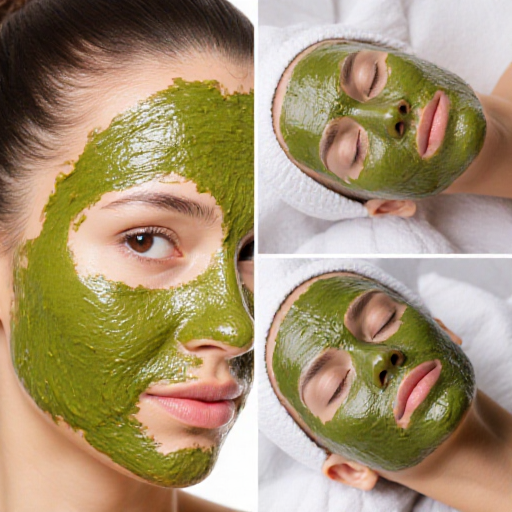
Creating your own natural skincare masks at home is a simple, cost-effective way to nourish your skin with fresh, chemical-free ingredients. In 2026, DIY natural skincare has gained popularity as people seek personalized solutions tailored to their skin type and concerns. Using ingredients you already have in your kitchen, you can create masks that hydrate, brighten, and protect your skin naturally.


Table of Contents

  1. Why Choose DIY Natural Skincare Masks
  2. Key Benefits of Kitchen-Based Ingredients
  3. How to Prepare Your Skin Before Masking
  4. Easy DIY Masks for Hydration
  5. DIY Masks for Brightening and Radiance
  6. Masks for Acne-Prone or Oily Skin
  7. Soothing Masks for Sensitive Skin
  8. Tips for Maximizing Results
DIY Natural Skincare Masks Using Everyday Kitchen Ingredients

1. Why Choose DIY Natural Skincare Masks

DIY natural skincare masks offer several advantages:

  • Freshness: Ingredients are used immediately, ensuring maximum potency.
  • Customization: Recipes can be adjusted to your skin type and concerns.
  • Cost-effectiveness: No need for expensive commercial products.
  • Transparency: You know exactly what is going onto your skin.

By using kitchen-based ingredients, you avoid unnecessary chemicals, preservatives, and synthetic fragrances that can irritate the skin.


2. Key Benefits of Kitchen-Based Ingredients

Common kitchen ingredients provide specific skin benefits:

  • Honey: Natural humectant, antibacterial, and soothing.
  • Yogurt: Contains lactic acid for gentle exfoliation and hydration.
  • Oatmeal: Calms irritation and absorbs excess oil.
  • Avocado: Rich in healthy fats and vitamins to nourish dry skin.
  • Turmeric: Anti-inflammatory and brightening properties.
  • Cucumber: Cooling, hydrating, and reduces puffiness.

Using these ingredients in DIY masks harnesses their natural properties to improve skin health.


3. How to Prepare Your Skin Before Masking

For maximum absorption and benefits:

  1. Cleanse your skin: Remove dirt, oil, and makeup.
  2. Exfoliate lightly (optional): Helps the mask penetrate deeper.
  3. Warm your skin: Steam or use a warm towel to open pores.

Proper preparation ensures the nutrients in your mask reach the skin effectively.


4. Easy DIY Masks for Hydration

Honey and Yogurt Mask

  • 1 tablespoon honey
  • 1 tablespoon plain yogurt

Mix and apply to face for 10–15 minutes. Rinse with lukewarm water. Benefits: deeply hydrates, soothes, and restores softness.

Avocado and Oatmeal Mask

  • ½ ripe avocado
  • 1 tablespoon finely ground oatmeal

Blend into a smooth paste and apply for 15 minutes. Rinse with water. Benefits: nourishes dry skin, improves elasticity.


5. DIY Masks for Brightening and Radiance

Turmeric and Yogurt Mask

  • 1 teaspoon turmeric powder
  • 1 tablespoon yogurt

Mix into a paste and leave on skin for 10–15 minutes. Rinse carefully to avoid staining. Benefits: evens skin tone, reduces dullness.

Lemon and Honey Mask (For Non-Sensitive Skin)

  • 1 teaspoon lemon juice
  • 1 tablespoon honey

Apply for 5–10 minutes. Rinse thoroughly. Benefits: brightens skin and provides gentle antibacterial effect.


6. Masks for Acne-Prone or Oily Skin

Oatmeal and Honey Mask

  • 1 tablespoon oatmeal
  • 1 teaspoon honey
  • Optional: a few drops of tea tree oil

Mix into a paste and apply for 10–15 minutes. Rinse with lukewarm water. Benefits: absorbs excess oil, reduces inflammation, and soothes acne-prone skin.

Aloe Vera and Green Tea Mask

  • 2 tablespoons aloe vera gel
  • 1 tablespoon cooled green tea

Blend and apply for 10–15 minutes. Benefits: antibacterial, anti-inflammatory, and balances oil production.


7. Soothing Masks for Sensitive Skin

Cucumber and Oatmeal Mask

  • ¼ cucumber, blended
  • 1 tablespoon oatmeal

Apply for 10–15 minutes. Rinse with cool water. Benefits: reduces redness, hydrates, and calms irritation.

Chamomile and Yogurt Mask

  • 1 tablespoon cooled chamomile tea
  • 1 tablespoon yogurt

Mix and apply for 10 minutes. Benefits: soothing, anti-inflammatory, and gentle for sensitive skin.


8. Tips for Maximizing Results

  • Always patch test new masks on a small area before applying fully.
  • Use fresh ingredients and avoid storing mixtures for long periods.
  • Apply 1–2 times per week for consistent results.
  • Follow with a gentle moisturizer to lock in hydration.
  • Avoid harsh scrubbing when removing masks to prevent irritation.

By incorporating these DIY natural skincare masks into your routine, you can achieve healthier, radiant skin without relying on synthetic chemicals.
Filed Under: organic skincare

Organic Skincare for Urban Environments: Protecting Skin from Pollution and City Stress

January 11, 2026 by admin

Living in urban areas exposes your skin to pollution, UV rays, stress, and blue light from digital devices. In 2026, organic skincare has become a key solution for urban dwellers seeking to protect, nourish, and restore their skin naturally. Using plant-based ingredients specifically formulated for city stressors can help maintain skin health and radiance despite environmental challenges.


Table of Contents

  1. The Unique Challenges of Urban Skin
  2. How Pollution Affects Your Skin
  3. Key Ingredients in Organic Skincare for Urban Protection
  4. Daily Routine Recommendations for City Living
  5. Protecting Against Blue Light and Digital Stress
  6. Anti-Pollution Masks and Treatments
  7. Lifestyle Tips to Complement Your Skincare
  8. Conclusion

1. The Unique Challenges of Urban Skin

Urban environments bring a combination of factors that stress the skin:

  • Air pollution: Particles and chemicals that trigger inflammation and dullness.
  • UV exposure: Sunlight reflects off buildings, increasing UV damage.
  • Stress: Commuting, work pressure, and lifestyle affect hormone balance and skin.
  • Digital devices: Blue light exposure can contribute to oxidative stress.

Organic skincare helps by providing gentle, plant-based antioxidants and barrier-supporting ingredients to counteract these stressors.


2. How Pollution Affects Your Skin

Air pollution can:

  • Accelerate aging and cause fine lines
  • Trigger acne or breakouts due to clogged pores
  • Cause uneven skin tone and pigmentation
  • Weaken the skin barrier, reducing natural protection

Using organic skincare products rich in antioxidants, anti-inflammatory botanicals, and hydrating compounds can reduce these negative effects.


3. Key Ingredients in Organic Skincare for Urban Protection

Certain natural ingredients are particularly beneficial for city dwellers:

  • Green tea extract: Rich in antioxidants to fight free radicals.
  • Reishi mushroom: Calms inflammation and protects skin from oxidative stress.
  • Aloe vera: Hydrates and soothes irritated skin.
  • Sea buckthorn oil: Supports barrier repair and improves elasticity.
  • Vitamin C from kakadu plum: Brightens and protects against environmental damage.

Look for products that combine multiple protective ingredients for maximum effectiveness.


4. Daily Routine Recommendations for City Living

Morning Routine:

  1. Cleanser: Gentle organic cleanser to remove nighttime impurities.
  2. Toner: Hydrating and balancing, preparing skin for serums.
  3. Serum: Antioxidant-rich serum to neutralize free radicals.
  4. Moisturizer: Lightweight, hydrating moisturizer.
  5. Sunscreen: Organic broad-spectrum SPF to protect against UV and reflected light.

Evening Routine:

  1. Cleanser: Double cleanse if exposed to heavy pollution.
  2. Toner: Balances pH and refreshes skin.
  3. Treatment Serum: Adaptogens or anti-inflammatory botanicals to repair damage.
  4. Moisturizer/Oil: Rich, hydrating formulations to restore the skin barrier overnight.

Consistency is key to keeping your skin resilient against urban stressors.


5. Protecting Against Blue Light and Digital Stress

Digital devices emit blue light that contributes to oxidative stress and potential premature aging. Organic skincare strategies include:

  • Antioxidant serums to neutralize free radicals
  • Adaptogen-infused moisturizers to strengthen skin resilience
  • Night creams to repair and restore skin barrier post-exposure

Limiting screen time and using protective formulations together enhance your skin’s natural defenses.


6. Anti-Pollution Masks and Treatments

Weekly treatments help remove accumulated pollutants:

  • Clay masks: Draw out impurities while gently exfoliating.
  • Botanical sheet masks: Deliver hydration and antioxidants deep into the skin.
  • Overnight repair masks: Strengthen the barrier and promote cellular repair.

Regular treatments complement your daily routine and give the skin a reset from environmental stress.


7. Lifestyle Tips to Complement Your Skincare

Skincare alone is not enough. Urban dwellers should consider:

  • Drinking plenty of water to maintain hydration
  • Eating antioxidant-rich foods like berries, leafy greens, and nuts
  • Reducing stress with mindfulness, exercise, or yoga
  • Avoiding excessive caffeine and alcohol that dehydrate skin

A holistic approach ensures your skin is resilient and glowing, even in city environments.


8. Conclusion

Urban living presents unique challenges to skin health, but organic skincare provides gentle, effective solutions. By using plant-based antioxidants, barrier-supporting botanicals, and consistent daily routines, you can protect your skin from pollution, blue light, and stress while maintaining a healthy, radiant complexion.

For more tips on urban skincare solutions, explore our Organic Skincare Blog.

Filed Under: organic skincare

The Role of Adaptogens in Natural Skincare: Calm, Protect, and Restore Your Skin

January 8, 2026 by admin

Adaptogens, long celebrated in herbal medicine, have entered the world of natural skincare. These plant-based compounds help the skin cope with environmental stressors, balance inflammation, and support overall skin health. In 2026, adaptogen-infused skincare is increasingly recognized for its ability to calm, protect, and restore the skin naturally.


Table of Contents

  1. What Are Adaptogens?
  2. How Adaptogens Work on the Skin
  3. Common Adaptogens in Natural Skincare
  4. Benefits of Using Adaptogen Skincare
  5. How to Incorporate Adaptogens into Your Routine
  6. Morning vs. Night Applications
  7. Precautions and Considerations
  8. Conclusion
The Role of Adaptogens in Natural Skincare: Calm, Protect, and Restore Your Skin

1. What Are Adaptogens?

Adaptogens are naturally occurring plant compounds that help the body adapt to stress. Historically used in herbal medicine for their anti-inflammatory, antioxidant, and restorative properties, adaptogens in skincare target external and internal stressors that affect the skin.

Unlike synthetic actives, adaptogens promote balance rather than aggressively targeting a single skin concern. They work harmoniously with the skin’s natural processes, making them ideal for sensitive and reactive skin types.


2. How Adaptogens Work on the Skin

Adaptogens support skin health in several ways:

  • Calming inflammation: Botanical adaptogens like ashwagandha and holy basil reduce redness and irritation.
  • Protecting against environmental stress: Reishi mushrooms, rhodiola, and ginseng contain antioxidants that neutralize free radicals from pollution and UV exposure.
  • Restoring balance: Adaptogens help maintain hydration, regulate oil production, and reinforce the skin barrier.

These effects make adaptogens particularly useful for urban environments where pollution, blue light, and stress negatively impact skin.


3. Common Adaptogens in Natural Skincare

Several adaptogens are commonly found in 2026 natural skincare formulations:

  • Ashwagandha: Reduces oxidative stress and supports skin elasticity.
  • Reishi Mushroom: Contains antioxidants that protect and soothe skin.
  • Holy Basil (Tulsi): Anti-inflammatory and antibacterial properties.
  • Rhodiola Rosea: Boosts resilience against environmental stress.
  • Ginseng: Energizes dull skin and improves circulation.

Many products combine multiple adaptogens to create a synergistic effect, enhancing overall skin health.


4. Benefits of Using Adaptogen Skincare

Adaptogen skincare offers a range of benefits for daily skin maintenance:

  1. Calms stressed skin: Ideal for sensitive, reactive, or acne-prone skin.
  2. Fights premature aging: Antioxidants combat free radical damage.
  3. Boosts radiance: Improves skin tone and overall vibrancy.
  4. Supports barrier function: Enhances hydration and strengthens protective layers.
  5. Compatible with natural routines: Works well with other organic and plant-based ingredients.

By incorporating adaptogens, your skin becomes more resilient to both environmental and lifestyle-induced stressors.


5. How to Incorporate Adaptogens into Your Routine

Adaptogens can be applied through various natural skincare products:

  • Serums: Concentrated adaptogen extracts deliver targeted benefits.
  • Moisturizers: Hydrating creams with adaptogens soothe and nourish.
  • Face masks: Overnight or weekly masks help calm and restore stressed skin.
  • Cleansers: Gentle cleansers with adaptogens maintain balance while cleansing.

For optimal results, layer adaptogen products after cleansing and toning but before heavier oils or creams.


6. Morning vs. Night Applications

  • Morning: Use antioxidant-rich adaptogens like ginseng or reishi to protect against pollution and free radicals.
  • Night: Apply calming adaptogens like ashwagandha or tulsi to support skin repair and reduce inflammation while you sleep.

Tailoring adaptogen use to the time of day enhances their effectiveness in supporting skin resilience and overall health.


7. Precautions and Considerations

While adaptogens are gentle, consider the following:

  • Patch test new products before full-face application.
  • Avoid combining too many strong actives that may overwhelm sensitive skin.
  • Use adaptogen-based products consistently for visible results, as their effects build over time.

Choosing certified natural or organic products ensures that the adaptogens are sustainably sourced and free from harsh chemicals.


8. Conclusion

Adaptogens in natural skincare provide a holistic approach to maintaining healthy, balanced skin. By calming inflammation, protecting against environmental damage, and restoring skin function, adaptogens help your skin adapt to daily stressors naturally.

For those looking to enhance their skincare routine, exploring natural skincare can be a game-changer, supporting long-term skin health while staying aligned with clean, plant-based principles.

Filed Under: organic skincare

How to Layer Organic Skincare Products for Maximum Absorption and Results

January 4, 2026 by admin

Layering skincare products might seem like a complicated ritual, but when done correctly, it ensures your skin receives the full benefits of each product. In 2026, organic skincare has evolved with innovative formulations that deliver potent natural ingredients. Understanding how to layer your products effectively can transform your routine and optimize results.


Table of Contents

  1. Why Layering Organic Skincare Matters
  2. Basic Principles of Product Layering
  3. Step-by-Step Guide to Layering Organic Skincare
  4. Morning vs. Night Routine Differences
  5. Common Mistakes in Skincare Layering
  6. How to Customize Layers for Different Skin Types
  7. Tips to Maximize Absorption of Organic Ingredients
  8. Conclusion

1. Why Layering Organic Skincare Matters

Layering organic skincare products ensures that each active ingredient reaches your skin in the most effective way. Unlike synthetic products, organic formulations rely on botanical extracts, oils, and plant-based compounds that interact gently with the skin. When layered properly:

  • Hydrating ingredients penetrate deeper
  • Serums deliver active nutrients efficiently
  • Moisturizers lock in benefits
  • Sunscreen protection remains effective

Proper layering also prevents product wastage and avoids overwhelming your skin with too many active ingredients at once.


2. Basic Principles of Product Layering

The general rule for layering is “lightest to heaviest”. This means starting with products that have the thinnest consistency and moving to thicker, more occlusive formulations. Key principles include:

  1. Consistency matters: Water-based products go before oil-based products.
  2. Active ingredients first: Serums and treatments should be applied before moisturizers.
  3. Wait time: Allow each layer to absorb fully before applying the next.
  4. Target skin concerns: Use specific actives for your skin concerns, such as antioxidants, hyaluronic acid, or plant extracts.

Following these principles ensures each product is absorbed optimally, enhancing your organic skincare routine’s effectiveness.


3. Step-by-Step Guide to Layering Organic Skincare

Here’s a practical sequence to follow for a standard organic skincare routine:

Step 1: Cleanser

Start with a gentle organic cleanser to remove impurities, sweat, and excess oil. Use lukewarm water to preserve your skin’s natural oils. Look for plant-based cleansers containing chamomile, aloe vera, or green tea.

Step 2: Toner

A toner balances your skin’s pH and prepares it for better absorption of subsequent products. Hydrating toners with rose water, witch hazel, or aloe vera are ideal.

Step 3: Serum

Apply your targeted organic serum next. Serums are concentrated formulations designed to address specific skin concerns like dullness, pigmentation, or fine lines. Popular plant-based ingredients include vitamin C from kakadu plum, hyaluronic acid from botanicals, or niacinamide alternatives from rice extract.

Step 4: Eye Cream

Organic eye creams are usually lightweight and contain gentle ingredients like chamomile, cucumber, or sea buckthorn oil. Dab lightly around the orbital bone.

Step 5: Moisturizer

A moisturizer seals in hydration and helps protect your skin barrier. For layering, choose a lightweight organic gel or lotion in the morning and a richer cream at night. Look for natural oils like jojoba, argan, or shea butter.

Step 6: Facial Oil (Optional)

If your skin needs extra hydration, add a few drops of organic facial oil. Oils should always be applied last to lock in water-based layers underneath.

Step 7: Sunscreen (Daytime Only)

Sunscreen is the final step in your morning routine. Organic sunscreens with zinc oxide or titanium dioxide protect the skin without harsh chemicals. Always wait a few minutes after your moisturizer to allow absorption before applying sunscreen.


4. Morning vs. Night Routine Differences

While the layering sequence is similar, the morning and night routines differ in products used:

  • Morning: Focus on protection. Antioxidant serums and sunscreen are key. Light moisturizers and gels are preferred to avoid heaviness.
  • Night: Focus on repair. Incorporate richer serums, oils, or overnight masks. Avoid sunscreen, but emphasize hydration and anti-aging actives.

Proper timing ensures that your skin gets protection during the day and repair at night, maximizing the benefits of your organic skincare routine.


5. Common Mistakes in Skincare Layering

Even with good intentions, many people make layering mistakes that reduce effectiveness:

  1. Skipping the wait time: Applying products too quickly prevents proper absorption.
  2. Incorrect order: Heavier creams before serums can block active ingredients.
  3. Using too many products: Overloading the skin can cause breakouts or irritation.
  4. Ignoring compatibility: Some active botanicals may not work well together.

By avoiding these mistakes, your skin can fully benefit from the natural ingredients in your organic skincare products.


6. How to Customize Layers for Different Skin Types

For Oily Skin

  • Use lightweight, water-based moisturizers
  • Opt for gel serums and avoid heavy oils

For Dry Skin

  • Include rich creams and facial oils
  • Layer hydrating serums with humectants like aloe vera

For Sensitive Skin

  • Use calming botanical extracts like chamomile or calendula
  • Limit actives that can irritate, such as strong vitamin C or acids

Tailoring your routine ensures maximum absorption and avoids common issues like clogged pores or irritation.


7. Tips to Maximize Absorption of Organic Ingredients

  1. Pat, don’t rub: Gently pat products into your skin for better absorption.
  2. Use damp skin: Applying serums and moisturizers on slightly damp skin enhances penetration.
  3. Apply consistently: Regular morning and night routines yield the best results over time.
  4. Store products properly: Keep organic products away from sunlight and heat to maintain potency.

8. Conclusion

Layering your organic skincare products correctly transforms your routine from basic application into a powerful ritual. By following the “lightest to heaviest” principle, respecting wait times, and customizing for your skin type, you ensure maximum absorption and results.

For those looking to upgrade their routine or learn more about choosing effective products, check out Layering Organic Skincare for tips, product recommendations, and step-by-step guides.

A well-layered organic skincare routine not only nourishes your skin but also enhances the natural radiance and health that only plant-based ingredients can provide.

Filed Under: organic skincare

How Lifestyle Habits Influence Skin Health and Why Natural Skincare Works Better

December 31, 2025 by admin

Healthy skin is not built by skincare products alone. Daily lifestyle habits—from sleep patterns to diet and stress levels—play a powerful role in how skin looks and behaves. When these habits are aligned with gentle, plant-based routines, skin is better able to repair, protect, and renew itself.

How Lifestyle Habits Influence Skin Health and Why Natural Skincare Works Better

This article explores how lifestyle choices affect skin health and why natural skincare complements these habits more effectively than conventional approaches.


Table of Contents

  1. The Skin–Lifestyle Connection
  2. How Stress Shows Up on Your Skin
  3. Sleep and Skin Repair
  4. Diet, Hydration, and Skin Balance
  5. Environmental Exposure and Daily Damage
  6. Why Gentle Formulations Matter
  7. Aligning Daily Habits With Skincare
  8. Final Thoughts

1. The Skin–Lifestyle Connection

The skin is a reflection of internal health. Poor sleep, chronic stress, and nutrient deficiencies often manifest as dullness, breakouts, or sensitivity.

While skincare products support the skin externally, lifestyle habits determine how well the skin can respond and recover.


2. How Stress Shows Up on Your Skin

Stress increases cortisol levels, which can trigger inflammation, excess oil production, and flare-ups of conditions like acne or eczema.

Using calming routines and gentle formulations helps reduce external irritation, but managing stress through rest, movement, and mindfulness is equally important.


3. Sleep and Skin Repair

Skin regeneration peaks during deep sleep. Lack of rest slows collagen production and weakens the skin barrier, leading to premature aging and sensitivity.

Night routines that focus on hydration and repair work best when paired with consistent, quality sleep.


4. Diet, Hydration, and Skin Balance

What you eat directly affects skin health. Diets high in sugar and processed foods can increase inflammation, while antioxidant-rich foods support repair and glow.

Proper hydration also helps maintain elasticity and smooth texture, allowing skincare products to perform more effectively.


5. Environmental Exposure and Daily Damage

Pollution, UV radiation, and blue light exposure place constant stress on the skin. Over time, this leads to oxidative damage and uneven tone.

Supporting the skin with barrier-strengthening ingredients and antioxidant-rich routines helps minimize these effects.


6. Why Gentle Formulations Matter

Harsh chemicals may deliver quick results but often disrupt the skin’s natural balance, especially when lifestyle stressors are already present.

Well-formulated natural skincare works in harmony with the skin, supporting long-term resilience rather than forcing short-term change.


7. Aligning Daily Habits With Skincare

Consistency is key. Skincare routines should align with your lifestyle—simple enough to maintain daily, yet effective enough to support your skin’s needs.

When healthy habits and gentle skincare work together, results are more sustainable and noticeable over time.


8. Final Thoughts

Great skin is the result of synergy between mindful living and thoughtful skincare. By improving daily habits and choosing products that respect the skin’s natural processes, you create the ideal environment for lasting skin health.

A balanced lifestyle paired with gentle, nature-inspired care allows your skin to thrive—naturally.

Related Articles:

  1. Protecting Your Skin from Digital Damage: Can Organic Skincare Shield Against Blue Light?
  2. Organic Skincare for Acne-Prone Skin: Natural Solutions That Actually Work
  3. How to Incorporate Organic Skincare into Your Anti-Aging Routine
  4. The Role of pH Balance in Natural Skincare: Why It Matters for Healthy Skin

Filed Under: organic skincare

Common Mistakes to Avoid When Transitioning to Natural Skincare

December 27, 2025 by admin

Switching to natural skincare is a positive step toward healthier, more balanced skin. However, many people experience frustration during the transition because of common misconceptions and avoidable mistakes. Natural products work differently from conventional formulas, and understanding these differences can make the transition smoother and more effective.

Common Mistakes to Avoid When Transitioning to Natural Skincare

This article highlights the most common mistakes people make when moving to natural skincare—and how to avoid them.


Table of Contents

  1. Expecting Instant Results
  2. Switching Too Many Products at Once
  3. Ignoring the Adjustment Period
  4. Misunderstanding “Natural” Labels
  5. Over-Exfoliating the Skin
  6. Skipping Patch Testing
  7. Neglecting Sunscreen
  8. Final Thoughts

1. Expecting Instant Results

One of the biggest mistakes is expecting immediate transformation. Natural skincare focuses on restoring balance and supporting the skin’s natural processes rather than delivering overnight results.

It can take several weeks for the skin to adjust and show visible improvement. Patience and consistency are essential.


2. Switching Too Many Products at Once

Replacing an entire skincare routine all at once makes it difficult to identify what works and what doesn’t. It also increases the risk of irritation.

A better approach is to introduce products gradually, allowing the skin time to adapt before adding something new.


3. Ignoring the Adjustment Period

When transitioning, some people experience temporary breakouts or dryness. This adjustment period is normal as the skin recalibrates and sheds buildup from previous products.

Mistaking this phase for product failure often leads people to abandon natural skincare too soon.


4. Misunderstanding “Natural” Labels

Not all products labeled “natural” are created equal. Some still contain synthetic fragrances or harsh preservatives.

It’s important to read ingredient lists carefully and choose brands that are transparent and committed to genuinely clean formulations.


5. Over-Exfoliating the Skin

Natural exfoliants can still be abrasive if used too frequently. Over-exfoliation weakens the skin barrier and leads to sensitivity, redness, and breakouts.

Limiting exfoliation to once or twice a week helps maintain healthy skin renewal without damage.


6. Skipping Patch Testing

Even natural ingredients can cause reactions for some skin types. Skipping a patch test is a common and avoidable mistake.

Testing new products on a small area of skin before full use can prevent unnecessary irritation.


7. Neglecting Sunscreen

Some people assume natural skincare alone provides enough protection. This is not true.

Daily sun protection is essential to prevent premature aging and environmental damage, regardless of how clean or natural your routine is.


8. Final Thoughts

Transitioning to a cleaner routine should be a gradual, mindful process. By avoiding these common mistakes, you give your skin the time and support it needs to adapt and thrive.

Choosing well-formulated natural skincare products, using them consistently, and maintaining realistic expectations will lead to healthier, more resilient skin over time.

Related Articles:

  1. The Ultimate Guide to Layering Organic Skincare Products for Maximum Effectiveness
  2. How to Transition Teens to Organic Skincare Safely and Effectively
  3. Organic Skincare for Climate Adaptation: How to Adjust Your Routine in Singapore’s Humid Weather
  4. The Truth About Organic Face Oils: Myths, Benefits, and How to Choose the Right One for Your Skin Type

Filed Under: organic skincare

  • « Go to Previous Page
  • Page 1
  • Page 2
  • Page 3
  • Page 4
  • Page 5
  • Interim pages omitted …
  • Page 12
  • Go to Next Page »

Pureté offers a luxurious experience that nurtures and enhances your skin’s natural radiance.

Useful Links

Privacy Policy
Terms of Service
Shipping & Delivery
FAQs
Disclaimers

Our Products

1. Cleanser
2. Serum
3. Day Cream
4. Toner

©2025. Pureté All Rights Reserved.