• Skip to primary navigation
  • Skip to main content
  • HOME
  • SHOP
    • Cleanser
    • Serum
    • Day Cream
    • Toner
  • OUR STORY
  • BLOG
  • HOME
  • SHOP
    • Cleanser
    • Serum
    • Day Cream
    • Toner
  • OUR STORY
  • BLOG

organic skincare

Natural Skincare for Men: Simple, Effective Routines Without the Fuss

June 22, 2025 by admin

Skincare is no longer just a concern for women. More men are realizing the importance of taking care of their skin—not just for appearance but for long-term health. However, the world of skincare can feel overwhelming, especially with the endless product options and complex routines often marketed online. The good news is that natural skincare for men doesn’t have to be complicated. With a few simple steps and clean, natural ingredients, men can achieve healthy, clear, and balanced skin without the fuss.

This article breaks down an easy-to-follow natural skincare routine tailored specifically for men and explains why natural products are a smart, sustainable choice.

Natural Skincare for Men: Simple, Effective Routines Without the Fuss

Why Men Need Skincare, Too

Men’s skin is different from women’s. Thanks to higher testosterone levels, it tends to be thicker, oilier, and more prone to enlarged pores and blackheads. Shaving also introduces unique challenges like irritation, razor burn, and ingrown hairs. A proper skincare routine helps:

  • Reduce oiliness and breakouts
  • Soothe shaving-related irritation
  • Delay signs of aging
  • Keep the skin clean, hydrated, and protected

Opting for natural skincare helps avoid the harsh chemicals, artificial fragrances, and drying alcohols found in many mainstream men’s grooming products. Natural ingredients are often gentler, safer for sensitive skin, and more eco-friendly.


A Simple Natural Skincare Routine for Men

This routine includes just four essential steps, takes under 5 minutes, and uses minimal, multipurpose products.

1. Cleanse – Morning & Night

A good cleanser removes dirt, sweat, and excess oil without stripping the skin. Men who work out, live in humid climates, or have oily skin should pay special attention to this step.

What to use:

  • Natural gel or foam cleansers with tea tree oil, aloe vera, or charcoal
  • DIY option: Mix honey and aloe vera gel for a gentle, antibacterial cleanser

How to use:
Massage into damp skin for 30 seconds and rinse with lukewarm water.


2. Exfoliate – 1 to 2 Times a Week

Exfoliating removes dead skin cells, clears pores, and helps prevent ingrown hairs from shaving. Avoid rough scrubs, which can cause micro-tears.

What to use:

  • Natural exfoliants like ground oatmeal, coffee, or fruit enzyme masks
  • Ready-made exfoliators with salicylic acid from willow bark or gentle AHAs

How to use:
Apply with gentle, circular motions. Leave on for a few minutes if using a mask. Rinse thoroughly.


3. Moisturize – After Cleansing or Shaving

Even oily skin needs moisture. A lightweight, non-comedogenic (non-pore-clogging) moisturizer helps maintain hydration and balance.

What to use:

  • Jojoba oil, squalane, or aloe-based gel moisturizers
  • Shea butter or rosehip oil for dry or mature skin
  • Aftershave balms made with witch hazel and chamomile

How to use:
Apply a small amount to damp skin to lock in moisture.


4. Protect – Every Morning

Sun damage is one of the leading causes of premature aging, dark spots, and skin cancer. Daily SPF is non-negotiable—even on cloudy days.

What to use:

  • Mineral sunscreens with zinc oxide or titanium dioxide
  • Look for natural SPF moisturizers if you want to combine steps

How to use:
Apply a dime-sized amount to face and neck after moisturizing.


Natural Skincare Tips for Shaving

Shaving can irritate the skin, especially if your products contain synthetic fragrances or alcohol-based ingredients.

Before Shaving:

  • Wash your face with warm water to soften hairs
  • Use a natural shaving cream with aloe, coconut oil, or bentonite clay for smooth glide

After Shaving:

  • Apply a natural toner with witch hazel or rose water to calm the skin
  • Use a moisturizer or balm with chamomile, tea tree oil, or calendula to prevent redness and razor bumps

Best Natural Ingredients for Men’s Skin

Here are some hero ingredients in natural skincare that are especially effective for men:

  • Tea Tree Oil: Antibacterial and great for acne-prone skin
  • Aloe Vera: Soothes irritation and hydrates
  • Charcoal: Deep cleans and detoxifies
  • Witch Hazel: Tones and reduces inflammation
  • Jojoba Oil: Balances oil production and mimics skin’s natural sebum
  • Green Tea Extract: Reduces redness and fights free radical damage
  • Bentonite Clay: Excellent for oily or congested skin

Common Skin Concerns and Natural Fixes

Acne or Oily Skin:
Use a cleanser with charcoal or tea tree oil, and a clay mask once a week.

Dry or Flaky Skin:
Switch to cream-based cleansers, and use heavier oils like argan or shea butter.

Sensitive Skin or Razor Burn:
Avoid strong essential oils and alcohol. Use aloe, oat extract, and calendula.

Uneven Skin Tone or Dullness:
Try enzyme exfoliants, vitamin C serums from natural sources like kakadu plum, and regular hydration.


Grooming Tips That Improve Skin Health

  • Clean your razors and face towels regularly to prevent bacteria buildup.
  • Change your pillowcase every few days to avoid oil and dirt transfer.
  • Drink enough water and maintain a diet rich in whole foods to nourish skin from within.
  • Reduce stress—it contributes to breakouts and dull skin.
  • Don’t touch your face—your hands carry bacteria and oils that can clog pores.

What to Avoid in Skincare Products

Whether you’re buying or DIY-ing, steer clear of:

  • Sulfates (SLS, SLES) – harsh detergents that dry out skin
  • Synthetic fragrance – common irritant
  • Parabens – potential hormone disruptors
  • Alcohol (denatured or ethanol) – strips natural oils
  • Mineral oil or petroleum-based ingredients – clog pores

Always check ingredient labels, even if a product is labeled “natural.”


Conclusion

Skincare doesn’t have to be complicated—or filled with chemicals. With a simple routine and a few high-quality natural products, men can keep their skin healthy, clean, and protected without the extra fuss. By understanding your skin type and focusing on gentle, effective ingredients, you can build a grooming routine that supports both your skin and the planet. Whether you’re a complete beginner or just looking to clean up your current regimen, natural skincare is a smart, sustainable choice that delivers real results.
Filed Under: organic skincare

The Role of pH Balance in Natural Skincare: Why It Matters for Healthy Skin

June 19, 2025 by admin

When it comes to achieving healthy, glowing skin, we often think of hydration, exfoliation, or the benefits of organic ingredients. However, one key factor that is frequently overlooked is pH balance. The pH level of your skincare products—and your skin itself—can greatly influence how your skin looks, feels, and functions.

In the world of natural skincare, understanding and maintaining optimal pH balance is essential to preserving the skin’s protective barrier and preventing issues such as dryness, acne, and irritation. This article explores the importance of pH in skincare, how it affects your skin health, and how to ensure your natural skincare routine supports a balanced pH.

The Role of pH Balance in Natural Skincare: Why It Matters for Healthy Skin

What Is pH?

pH stands for “potential of hydrogen” and measures how acidic or alkaline a substance is on a scale from 0 to 14. A pH of 7 is neutral (like pure water), while anything below 7 is acidic, and anything above is alkaline.

The surface of your skin is naturally acidic, with a pH that typically ranges between 4.5 and 5.5. This slightly acidic environment is known as the “acid mantle”—a thin protective film made up of sebum, sweat, and dead skin cells. It helps defend the skin against harmful bacteria, environmental pollutants, and moisture loss.

Why pH Balance Is Crucial for Skin Health

Maintaining your skin’s natural pH is critical for:

  • Preserving the acid mantle: The acid mantle acts as a natural barrier to bacteria, viruses, and other potential contaminants.
  • Maintaining hydration: When pH is imbalanced, the skin barrier becomes compromised, resulting in dryness and increased transepidermal water loss.
  • Preventing irritation and inflammation: An alkaline pH can lead to sensitivity, redness, and itchiness.
  • Managing acne: A slightly acidic pH helps inhibit the growth of acne-causing bacteria.
  • Promoting cell turnover: Proper pH supports enzymatic activity that encourages healthy shedding of dead skin cells.

How Skincare Products Affect pH

Every product you apply to your skin—cleanser, toner, moisturizer, serum—has its own pH level. When a product is too alkaline or too acidic, it can disrupt the skin’s natural pH and lead to problems. Conventional soaps, for instance, often have a pH of 9 or above, which strips the skin of its natural oils and damages the acid mantle.

Natural and organic skincare products, on the other hand, are often formulated to be pH-balanced and gentler on the skin. But not all natural products are automatically pH-appropriate, especially if you’re making DIY products or using raw ingredients without formulation guidance.

Signs Your Skin’s pH Is Imbalanced

When your skin’s pH is too high (alkaline), you may experience:

  • Dryness or flakiness
  • Increased sensitivity
  • Redness or irritation
  • Tightness after cleansing

When your skin’s pH is too low (acidic), you may notice:

  • Inflammation
  • Increased oil production
  • Breakouts or clogged pores
  • Burning or stinging sensations when applying products

If you notice any of these symptoms consistently, your skincare routine may be disrupting your skin’s natural balance.

The Ideal pH for Skincare Products

The ideal pH range for most leave-on skincare products is between 4.5 and 6.5, which aligns closely with the skin’s natural pH. Cleansers can be slightly more acidic (around 5) to maintain the acid mantle, while toners, serums, and moisturizers should fall within a similar range.

Water-based products usually need to be pH balanced to avoid destabilizing the skin. Oil-based products, which do not have a pH (because they contain no water), do not affect skin pH directly but can influence barrier function depending on how they interact with other ingredients.

Testing the pH of Your Skincare

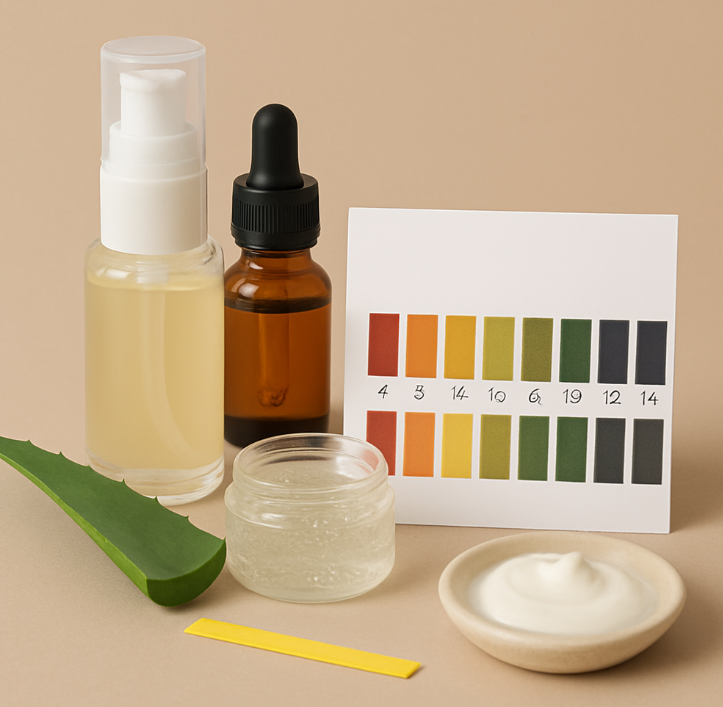
You can test the pH of your skincare products using pH strips, which are available at health stores or online. Simply apply a small amount of the product to the strip, wait a few seconds, and compare the color to the pH scale. This is especially helpful if you are formulating DIY products at home.

How to Maintain a pH-Balanced Natural Skincare Routine

1. Use a Gentle, pH-Balanced Cleanser

Cleansers have the biggest impact on your skin’s pH because they interact directly with your skin’s oils and barrier. Avoid bar soaps and harsh foaming cleansers that have high pH levels. Instead, choose gentle, non-stripping cleansers with natural ingredients like:

  • Aloe vera
  • Chamomile
  • Honey
  • Coconut milk

These ingredients cleanse without disrupting the acid mantle and are ideal for sensitive or dry skin types.

2. Incorporate a pH-Balancing Toner

Toners help restore pH balance after cleansing. Look for alcohol-free formulas containing ingredients like:

  • Rose water
  • Witch hazel (alcohol-free)
  • Green tea
  • Apple cider vinegar (diluted)

These toners can soothe irritation and prepare the skin to absorb moisturizers and serums more effectively.

3. Use Natural Moisturizers That Support the Skin Barrier

Moisturizers that contain ingredients like ceramides, fatty acids, and natural plant oils help maintain a healthy pH by reinforcing the skin’s lipid layer. Good natural choices include:

  • Jojoba oil
  • Shea butter
  • Rosehip oil
  • Squalane (plant-derived)

These ingredients seal in hydration and support the skin’s natural healing process.

4. Avoid Over-Exfoliating

Exfoliation can disrupt pH if overdone, especially with abrasive scrubs or acid peels. Stick to gentle, pH-balanced exfoliants like:

  • Lactic acid (for sensitive skin)
  • Enzyme masks (from papaya or pineapple)
  • Oatmeal scrubs

Limit exfoliation to 1–2 times a week and always follow with a soothing moisturizer.

5. Pay Attention to Product Layering

Layering products with drastically different pH levels can destabilize your skin. For example, applying an acidic serum (like vitamin C) right after an alkaline toner can neutralize both. Try to layer products from lowest to highest pH and allow each to absorb fully before applying the next.

6. Adjust Seasonally

Climate changes can also affect your skin’s pH. During colder months, opt for richer, more occlusive moisturizers. In hotter months, lightweight gels and humectants (like hyaluronic acid) help retain moisture without disrupting pH.

DIY Tips for pH-Friendly Natural Skincare

If you create your own skincare products, consider the pH of common natural ingredients:

  • Aloe vera gel: pH 4.5–5.5
  • Apple cider vinegar: pH 3 (dilute before using)
  • Baking soda: pH 9 (avoid use on skin)
  • Lemon juice: pH 2 (too acidic—can irritate)
  • Raw honey: pH 3.5–5.5 (soothing and antibacterial)

To formulate safe, effective DIY skincare, always test the pH and adjust if needed using buffers like citric acid (to lower pH) or sodium bicarbonate (to raise pH) in small, controlled amounts.

Conclusion

pH balance is a foundational element of healthy skin, yet it’s often ignored in favor of more visible or trendy ingredients. Whether you’re using store-bought natural products or formulating your own, understanding pH allows you to protect your skin’s natural barrier and avoid common problems like dryness, irritation, and breakouts.

A well-balanced natural skincare routine should cleanse gently, hydrate deeply, and maintain the skin’s optimal acidity. By choosing pH-appropriate ingredients and products, you create the ideal environment for your skin to thrive—naturally and beautifully.

Filed Under: organic skincare

Common Mistakes to Avoid When Switching to Organic Skincare Products

June 15, 2025 by admin

Switching to organic skincare is a wise decision for those seeking healthier, more sustainable beauty routines. With natural ingredients, fewer synthetic chemicals, and eco-conscious practices, organic products offer many benefits.

However, the transition from conventional to organic skincare can be tricky if not approached with the right knowledge. Many people expect immediate results or use the products incorrectly, leading to disappointment or skin issues.

In this article, we’ll explore common mistakes people make when switching to organic skincare and how to avoid them for a smoother, more successful journey.


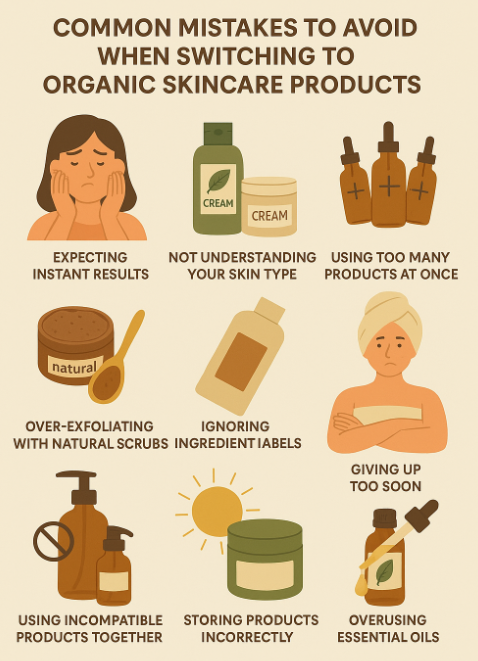
1. Expecting Instant Results

One of the biggest misconceptions about organic skincare is that results will appear overnight. In reality, natural ingredients tend to work more gently and gradually. Unlike synthetic ingredients that can deliver fast but superficial effects, organic skincare often focuses on long-term skin health.

What to do instead:
Be patient. Give your skin at least 4 to 6 weeks to adjust to new products and allow time for the natural ingredients to show visible effects.


2. Not Understanding Your Skin Type

Using organic products that are not suited for your skin type can cause breakouts, dryness, or irritation—just like with conventional skincare. For example, someone with oily skin might struggle with heavy plant oils, while someone with dry skin might find gel-based products too light.

What to do instead:
Identify your skin type (dry, oily, combination, sensitive, or normal) and choose organic products formulated to address its specific needs. If unsure, consult a dermatologist or start with a basic routine and adjust gradually.


3. Using Too Many Products at Once

Switching all your products at once or layering too many natural products can overwhelm your skin. Even organic ingredients can cause reactions when mixed incorrectly or introduced too quickly.

What to do instead:
Introduce new products one at a time, preferably one every 7–10 days. This way, you can monitor how your skin reacts and pinpoint any potential issues.


4. Over-Exfoliating with Natural Scrubs

DIY and store-bought natural exfoliants often use ingredients like sugar, coffee, or walnut shells. While effective, overuse or harsh scrubbing can damage the skin’s barrier, especially on sensitive skin.

What to do instead:
Limit exfoliation to 1–2 times per week. Choose gentle options like oatmeal or fruit enzyme masks. Always massage in light, circular motions and avoid scrubbing too hard.


5. Ignoring Ingredient Labels

Just because a product says “organic” or “natural” on the label doesn’t mean it’s 100% clean. Some products contain only a small percentage of organic ingredients and still include synthetic preservatives, fragrances, or alcohol.

What to do instead:
Read the full ingredient list. Look for certifications like USDA Organic, COSMOS, or Ecocert. Educate yourself on harmful ingredients to avoid, such as parabens, phthalates, SLS, and artificial fragrances.


6. Giving Up Too Soon

Your skin may go through a “purging” phase as it adjusts to new ingredients. This can include minor breakouts, dryness, or oil imbalance. Many people mistake this for a reaction and stop using the product too quickly.

What to do instead:
Know the difference between purging and irritation. If symptoms are mild and improve over a few weeks, your skin may just be adjusting. But if irritation worsens or persists, discontinue use.


7. Using Incompatible Products Together

Mixing conventional and organic products can lead to chemical reactions, especially if your synthetic product contains acids or retinol. This can result in irritation, dryness, or ineffectiveness.

What to do instead:
Try to stick to a fully organic routine, especially during the transition period. If you must combine products, research ingredient compatibility or consult a skincare expert.


8. Storing Products Incorrectly

Many organic skincare products contain fewer preservatives and can spoil faster if not stored properly. Exposure to sunlight, heat, or air can degrade natural ingredients.

What to do instead:
Keep your products in a cool, dry place away from direct sunlight. Some products, like natural serums or oils, may benefit from refrigeration. Always seal containers tightly after use.


9. Overusing Essential Oils

Essential oils are popular in organic skincare for their antibacterial and aromatherapeutic benefits. However, they are highly concentrated and can cause burns or allergic reactions if used improperly.

What to do instead:
Always dilute essential oils in a carrier oil before applying to the skin. Follow recommended usage guidelines, and never apply essential oils directly to your face unless the product is pre-formulated by a trusted brand.


10. Not Being Consistent

Like any skincare routine, organic products require consistency to be effective. Using products sporadically or skipping steps can limit their benefits.

What to do instead:
Stick to a daily routine that includes cleansing, moisturizing, and sun protection. Adjust your routine as needed based on your skin’s changes throughout the seasons.


Conclusion

Transitioning to organic skincare is a step toward healthier skin and a more sustainable lifestyle. But to truly enjoy its benefits, it’s important to approach the switch mindfully. Avoid common mistakes like expecting quick fixes, using the wrong products, or overwhelming your skin with too many changes.

Take time to understand your skin, read ingredient labels, and introduce products gradually. With patience and consistency, your skin will thank you—naturally and beautifully.

Filed Under: organic skincare

DIY Organic Skincare Recipes: Simple and Effective Treatments You Can Make at Home

June 12, 2025 by admin

Creating your own organic skincare products at home is a rewarding and cost-effective way to care for your skin. Not only do you gain complete control over the ingredients you use, but you also avoid synthetic additives, preservatives, and fragrances commonly found in commercial products. DIY organic skincare allows you to customize treatments to your unique skin type, using fresh, natural ingredients that are often already in your kitchen.

This article shares a selection of simple yet effective recipes for cleansers, masks, scrubs, and moisturizers—perfect for those looking to embrace a more natural, mindful skincare routine.

DIY Organic Skincare Recipes: Simple and Effective Treatments You Can Make at Home

Benefits of DIY Organic Skincare

  • Control Over Ingredients: You know exactly what goes into your products—no hidden chemicals or allergens.
  • Customizable: Tailor recipes to your skin’s specific needs—dryness, oiliness, acne, sensitivity, or dullness.
  • Sustainable: Reduces plastic waste and packaging by using reusable containers.
  • Affordable: Most ingredients are pantry staples or easily found at natural food stores.

Basic Guidelines Before You Start

  • Patch Test First: Even natural ingredients can cause reactions. Test new mixtures on a small area of skin.
  • Use Clean Tools: Sterilize all mixing tools, containers, and your hands to avoid contamination.
  • Small Batches Only: Homemade skincare doesn’t include preservatives, so make just enough for 1–2 uses unless refrigerating.
  • Store Properly: Keep products in airtight containers and refrigerate when needed. Discard if the scent or texture changes.

1. DIY Organic Facial Cleanser

Honey & Aloe Cleanser (for all skin types)

Ingredients:

  • 1 tbsp raw organic honey
  • 1 tbsp aloe vera gel (fresh or pure bottled)

Instructions:
Mix ingredients together in a small bowl. Apply to damp skin and massage in circular motions for 1–2 minutes. Rinse with warm water and pat dry.
Honey is naturally antibacterial and soothing, while aloe hydrates and calms irritation.


2. DIY Exfoliating Scrubs

Oatmeal & Yogurt Scrub (gentle exfoliation)

Ingredients:

  • 2 tbsp ground oats
  • 1 tbsp plain organic yogurt
  • 1 tsp raw honey

Instructions:
Mix into a paste and apply to the face in gentle circular motions. Leave on for 5 minutes before rinsing.
Oats calm the skin and remove dead cells, while yogurt contains lactic acid for mild exfoliation.

Coffee & Coconut Scrub (for body exfoliation)

Ingredients:

  • 2 tbsp organic coffee grounds
  • 1 tbsp coconut oil
  • 1 tbsp brown sugar

Instructions:
Mix well and scrub gently on damp skin in the shower. Rinse thoroughly.
This scrub improves circulation, removes rough patches, and leaves skin soft.


3. DIY Face Masks

Avocado & Banana Mask (for dry skin)

Ingredients:

  • ¼ ripe avocado
  • ½ banana
  • 1 tsp olive oil or jojoba oil

Instructions:
Mash all ingredients into a creamy paste. Apply evenly to face and leave on for 10–15 minutes. Rinse with lukewarm water.
This mask is ultra-hydrating and rich in vitamins A, E, and C.

Turmeric & Yogurt Mask (for brightening and acne)

Ingredients:

  • 1 tbsp plain yogurt
  • ½ tsp turmeric powder
  • 1 tsp honey

Instructions:
Mix well and apply a thin layer to the face. Leave on for 10 minutes, then rinse.
Turmeric is anti-inflammatory and brightens, yogurt calms, and honey heals.

Note: Turmeric may stain fair skin temporarily—do a patch test first.


4. DIY Moisturizers

Shea Butter & Rosehip Balm (for dry or mature skin)

Ingredients:

  • 2 tbsp unrefined shea butter
  • 1 tbsp rosehip oil
  • Optional: 2–3 drops lavender or frankincense essential oil

Instructions:
Melt shea butter using a double boiler. Remove from heat, stir in rosehip oil and essential oil. Let cool and whip into a balm. Store in a glass jar and use sparingly.
This balm deeply nourishes and helps improve skin elasticity.

Aloe & Jojoba Gel (for oily or acne-prone skin)

Ingredients:

  • 2 tbsp aloe vera gel
  • 1 tsp jojoba oil
  • 1–2 drops tea tree or rosemary essential oil

Instructions:
Blend ingredients and store in a pump bottle. Apply a small amount after cleansing.
It hydrates without clogging pores and helps reduce inflammation.


5. DIY Lip Balm

Coconut Oil & Beeswax Lip Balm

Ingredients:

  • 1 tbsp coconut oil
  • 1 tbsp beeswax pellets
  • 1 tsp almond oil
  • Optional: 1 drop peppermint essential oil

Instructions:
Melt beeswax and coconut oil in a double boiler. Stir in almond oil and essential oil. Pour into small tins or lip balm tubes. Let set.
Soothes chapped lips and locks in moisture naturally.


6. DIY Toner

Green Tea & Witch Hazel Toner (for all skin types)

Ingredients:

  • ¼ cup brewed green tea (cooled)
  • 1 tbsp organic witch hazel
  • 5 drops lavender essential oil (optional)

Instructions:
Mix and pour into a spray bottle. Shake before use.
This toner calms redness, balances oil, and tightens pores.


Tips for Sourcing Ingredients

  • Buy from local organic stores or certified online retailers.
  • Choose cold-pressed, unrefined oils and butters for best results.
  • Use pure essential oils (not fragrance oils).
  • For fresh ingredients (like aloe or avocado), ensure they’re organic and ripe.

Safety Notes

  • Avoid using citrus oils before sun exposure—they can increase photosensitivity.
  • Store oil-based products away from heat to prevent rancidity.
  • Discontinue use if irritation occurs.
  • Essential oils are potent—use sparingly and never directly on skin without dilution.

Conclusion

DIY organic skincare empowers you to take charge of your beauty routine in a natural, sustainable way. With a few fresh ingredients and simple techniques, you can create cleansers, masks, scrubs, and moisturizers that rival store-bought products—minus the harsh chemicals and wasteful packaging. Whether you’re looking to hydrate, soothe, exfoliate, or brighten, there’s a DIY recipe to suit your skin’s needs. It’s skincare that’s clean, conscious, and crafted with care—right in your own kitchen.

Filed Under: organic skincare

The Environmental Impact of Organic Skincare: Sustainable Beauty Practices You Can Adopt

June 8, 2025 by admin

Organic skincare isn’t just about protecting your skin—it’s also about protecting the planet. As consumers become more conscious of the environmental impact of their daily habits, the beauty industry has come under increasing scrutiny.

From plastic packaging and harmful chemicals to carbon footprints and unsustainable sourcing, conventional skincare products contribute significantly to environmental degradation. Fortunately, organic skincare offers a more sustainable alternative, supporting both personal wellness and environmental responsibility.

In this article, we’ll explore the environmental benefits of organic skincare and share practical tips you can follow to make your beauty routine more eco-friendly.

The Environmental Impact of Organic Skincare: Sustainable Beauty Practices You Can Adopt

Understanding the Environmental Problem with Conventional Skincare

Many conventional skincare products contain synthetic chemicals, petroleum-derived ingredients, and microplastics. These substances don’t just affect your skin—they also enter our waterways when washed down the drain. Wastewater treatment plants often cannot filter out microbeads, silicones, or sulfates, leading to water pollution and harm to marine life.

Additionally, the packaging used in mainstream skincare is often non-recyclable or non-biodegradable. Single-use plastics, complex pumps, laminated tubes, and metallic coatings may be visually appealing but are rarely sustainable. The result is millions of tons of beauty industry waste ending up in landfills or oceans every year.

Another often overlooked factor is the energy and carbon emissions used in manufacturing and transporting synthetic ingredients, often made in energy-intensive chemical processes. Coupled with unethical or unsustainable sourcing of natural ingredients like palm oil, conventional skincare can leave a massive environmental footprint.

How Organic Skincare Makes a Difference

1. Cleaner Ingredients = Cleaner Waterways

Organic skincare products use plant-based ingredients that are biodegradable and less likely to pollute rivers and oceans. Essential oils, botanical extracts, and natural preservatives break down easily and don’t leave behind toxins in the water or soil. This makes a significant difference for aquatic ecosystems.

2. Fewer Harsh Chemicals, Healthier Soil and Ecosystems

Synthetic pesticides and fertilizers used in non-organic farming damage the soil, kill beneficial insects, and lead to biodiversity loss. Organic skincare brands that use certified organic ingredients help promote responsible agriculture. These farms avoid toxic sprays and practice crop rotation, composting, and natural pest control methods that keep the soil fertile and ecosystems intact.

3. Eco-Friendly Packaging

Many organic skincare brands prioritize recyclable, biodegradable, or refillable packaging. Glass jars, aluminum tubes, and compostable cardboard are popular sustainable alternatives to plastic. Additionally, some companies offer refill stations or send products in minimal or zero-waste packaging.

4. Ethical Sourcing and Transparency

Responsible organic brands are often transparent about where and how they source ingredients. They avoid unsustainable practices like overharvesting or using endangered plants. Many also partner with fair-trade cooperatives, ensuring that local communities are treated fairly and that ecosystems aren’t exploited.

5. Lower Carbon Footprint

Organic skincare tends to involve fewer synthetic processes, which means less energy consumption and fewer greenhouse gas emissions. Brands that source locally, use renewable energy in manufacturing, and opt for carbon-neutral shipping options further reduce their environmental impact.

Sustainable Beauty Practices You Can Adopt

Even as a consumer, you play a powerful role in driving environmental change. By making small but meaningful changes in your skincare habits, you can contribute to a more sustainable world.

1. Choose Brands with Certified Organic Labels

Look for certifications like COSMOS Organic, USDA Organic, Ecocert, or Soil Association. These ensure that products meet strict standards for organic ingredient content, sustainability, and ethical practices.

2. Buy Less, Use More

The beauty industry thrives on overconsumption. Reduce waste by choosing multi-use products, finishing what you have before buying more, and avoiding impulse purchases. Minimalist skincare routines not only reduce your environmental impact—they’re also better for your skin.

3. Refill, Reuse, Recycle

Support brands that offer refillable packaging or containers you can reuse creatively. Wash and repurpose glass jars as travel containers, planters, or DIY storage. Recycle properly by cleaning out containers and checking your local recycling guidelines.

4. Go Waterless or Concentrated

Waterless skincare products—like balms, oils, powders, or solid cleansers—use less packaging, weigh less (lower shipping emissions), and often last longer. Concentrated formulas also require less frequent repurchasing and are easier to store or carry.

5. Support Local and Small-Batch Brands

Locally made products reduce the carbon footprint associated with long-distance transportation. Smaller brands often produce in smaller batches, which means less waste, better quality control, and more ethical practices.

6. Say No to Single-Use and Microbeads

Avoid products with microbeads, glitter, or polyethylene-based exfoliants. Opt for natural exfoliators like oatmeal, sugar, coffee grounds, or bamboo powder that biodegrade naturally.

7. Compost Where Possible

If your skincare products contain 100% natural and organic ingredients, you may be able to compost them—especially masks, scrubs, or residue from balms. Check the ingredients and local composting guidelines.

8. Educate and Share

Talk to friends and family about sustainable skincare. Share your experiences with eco-friendly brands, or even post reviews and social media content that support greener beauty choices.

Ingredients to Love in Eco-Friendly Organic Skincare

  • Aloe Vera – Easily grown and harvested, soothing and hydrating
  • Calendula – Naturally antibacterial and cultivated without pesticides
  • Shea Butter – Sourced sustainably from African cooperatives
  • Coconut Oil – Versatile and biodegradable
  • Jojoba Oil – Grown in arid regions with minimal water use
  • Essential Oils (lavender, tea tree, chamomile) – Natural preservatives and therapeutic benefits

Watch Out For Greenwashing

Be cautious of brands that market themselves as “natural” or “green” without certification or transparency. Look beyond the branding—read ingredient lists, check for third-party certifications, and do your research. Some products labeled “organic” may contain only one or two organic ingredients mixed with synthetic fillers.

Conclusion

The shift toward organic skincare isn’t just a personal wellness choice—it’s part of a larger movement toward environmental responsibility. By choosing products made with sustainable, biodegradable, and ethically sourced ingredients, you help reduce pollution, protect biodiversity, and support a healthier planet.

Small changes in your skincare habits—from reading labels to reusing containers—can add up to a big impact. The next time you reach for a moisturizer or cleanser, think not just about your skin, but about the environment it comes from and returns to. Sustainable beauty starts with mindful decisions—and organic skincare is a beautiful way to begin.

Filed Under: organic skincare

How to Customize Your Organic Skincare Routine for Different Climates and Seasons

June 5, 2025 by admin

Organic Skincare

Organic skincare has become increasingly popular as people seek safer, healthier alternatives to conventional beauty products. Using natural ingredients free from harsh chemicals, organic skincare not only nurtures your skin but also aligns with a more sustainable lifestyle.

However, one challenge many face is adapting their skincare routine to suit changing climates and seasons. Your skin’s needs vary greatly depending on humidity, temperature, and exposure to environmental elements. A routine that works perfectly in one season may cause dryness, oiliness, or irritation in another. To truly benefit from organic skincare, it is essential to customize your routine throughout the year.

This article explores how you can adjust your organic skincare regimen to stay radiant and healthy no matter the weather.

How to Customize Your Organic Skincare Routine for Different Climates and Seasons

Understanding Your Skin’s Seasonal Needs

Skin reacts to external conditions, and its behavior shifts with changes in climate and season. During cold, dry months, the skin tends to lose moisture faster, becoming tight, flaky, and prone to irritation. In contrast, hot and humid weather often leads to increased oil production, clogged pores, and sometimes breakouts. Spring and autumn can be transitional seasons where skin is more sensitive and needs gentle care.

In tropical climates where humidity is high year-round, the skin can struggle with excess sweat and oil, requiring lightweight but effective hydration and protection. Conversely, dry climates demand intense moisturizing and barrier repair. By understanding these variations, you can select organic products and adjust your routine to meet your skin’s changing demands.

Winter Skincare: Focus on Hydration and Barrier Protection

Cold winter air combined with indoor heating tends to strip moisture from the skin. This makes it essential to use rich, nourishing products that restore hydration and strengthen the skin barrier.

Start with a gentle, hydrating cleanser that does not strip natural oils. Avoid harsh exfoliants during winter as they can worsen dryness. Instead, opt for mild chemical exfoliants like lactic acid in low concentrations if needed.

Use a hydrating toner or facial mist containing soothing ingredients such as aloe vera or rose water to calm dry skin.

Moisturizers should be thicker and richer in texture during winter. Look for organic ingredients like shea butter, jojoba oil, almond oil, and hyaluronic acid to lock in moisture. These ingredients not only hydrate but also help repair the skin’s natural barrier.

Don’t forget a nourishing eye cream, as the delicate skin around the eyes is especially prone to dryness.

Sunscreen remains important even in winter to protect against UV rays. Choose mineral-based organic sunscreens with zinc oxide or titanium dioxide.

Spring Skincare: Gentle Renewal and Balancing

As the weather warms up, the skin begins to shed dry, dead cells accumulated during winter. This is the ideal time for gentle exfoliation and renewal.

Switch to a lighter cleanser that removes impurities without over-drying.

Incorporate a mild exfoliant such as fruit enzymes or gentle alpha hydroxy acids (AHAs) to encourage cell turnover and reveal fresh skin. Be careful not to over-exfoliate, as spring skin can be sensitive.

Hydration is still important but opt for lighter lotions or gel-based moisturizers with organic ingredients like aloe vera, cucumber extract, and green tea for soothing and antioxidant protection.

Spring also calls for antioxidant serums rich in vitamin C or niacinamide to combat environmental damage and brighten the complexion.

Continue using organic sunscreen daily to protect against stronger UV rays.

Summer Skincare: Lightweight Hydration and Oil Control

In hot and humid summer months, skin often produces excess sebum, leading to clogged pores and breakouts. The goal is to keep the skin hydrated without feeling heavy or greasy.

Use a gentle foaming cleanser or cleansing gel that removes sweat, oil, and dirt effectively.

Switch to lightweight, non-comedogenic moisturizers or serums with organic ingredients like aloe vera, chamomile, or witch hazel that soothe and hydrate without clogging pores.

Incorporate products containing natural oil absorbers such as kaolin clay or activated charcoal for occasional deep cleansing masks.

Daily sunscreen is crucial. Choose a lightweight, mineral-based organic sunscreen that feels comfortable in the heat and humidity.

Don’t forget to hydrate your body by drinking plenty of water and maintaining a balanced diet rich in fruits and vegetables.

Autumn Skincare: Repair and Preparation

Autumn is a transitional season where skin may feel sensitive due to fluctuating temperatures and humidity levels. Focus on restoring balance and repairing any damage from summer.

Switch back to a more nourishing cleanser if your skin feels dry or tight.

Introduce hydrating serums with organic hyaluronic acid or rosehip oil to replenish moisture.

Use a gentle exfoliant once or twice a week to remove dull skin cells and support renewal.

Moisturizers can be slightly richer to prepare skin for the upcoming colder months.

Keep using antioxidant serums and organic sunscreen daily to protect against environmental stressors.

Tips for Adapting Your Organic Skincare Routine Across Climates

  1. Listen to Your Skin: The most important guide is how your skin feels. If it’s dry, flaky, or tight, boost hydration and avoid harsh products. If it’s oily or congested, lighten up your routine and focus on gentle cleansing and balancing.
  2. Layer Smartly: Use serums and treatments under moisturizers to target specific concerns like redness, pigmentation, or dullness. Choose products that are seasonally appropriate in texture and ingredient concentration.
  3. Avoid Over-Exfoliating: Exfoliation should be gentle and adjusted according to your skin’s tolerance. Over-exfoliating can damage your skin barrier, making it more reactive to weather changes.
  4. Stay Consistent With Sunscreen: UV rays affect skin all year round. Even on cloudy or cold days, applying a broad-spectrum mineral sunscreen helps prevent premature aging and damage.
  5. Hydrate Inside and Out: Drinking enough water and eating a diet rich in antioxidants supports skin health alongside your topical routine.
  6. Patch Test New Products: When switching products seasonally, test them on a small skin area to avoid irritation or allergic reactions.

Organic Ingredients to Look for in Different Seasons

  • Winter: Shea butter, avocado oil, jojoba oil, honey, chamomile, calendula
  • Spring: Aloe vera, green tea extract, rose water, cucumber extract
  • Summer: Witch hazel, aloe vera, chamomile, kaolin clay, activated charcoal
  • Autumn: Rosehip oil, hyaluronic acid, vitamin E, calendula, argan oil

Conclusion

Customizing your organic skincare routine to fit the changing climates and seasons ensures your skin stays healthy, balanced, and radiant throughout the year. By understanding your skin’s needs in different conditions and selecting appropriate organic products, you can avoid common issues like dryness, oiliness, and sensitivity.

Do not forget that gentle cleansing, adequate hydration, sun protection, and antioxidant care form the foundation of any effective skincare regimen. With mindful adjustments and quality organic ingredients, you can enjoy the full benefits of natural skincare in every season.

Filed Under: organic skincare

  • « Go to Previous Page
  • Page 1
  • Interim pages omitted …
  • Page 8
  • Page 9
  • Page 10
  • Page 11
  • Page 12
  • Go to Next Page »

Pureté offers a luxurious experience that nurtures and enhances your skin’s natural radiance.

Useful Links

Privacy Policy
Terms of Service
Shipping & Delivery
FAQs
Disclaimers

Our Products

1. Cleanser
2. Serum
3. Day Cream
4. Toner

©2025. Pureté All Rights Reserved.