
Uneven skin tone is a common skincare concern. Some areas of the face may appear darker than others, while post-breakout marks, sun exposure and general changes in pigmentation can make the complexion look less uniform.
If you prefer organic or natural skincare, a consistent routine can focus on gentle cleansing, hydration, antioxidant-rich ingredients and daily sun protection. The objective is not to transform your skin overnight, but to support a healthy-looking complexion while avoiding unnecessary irritation.
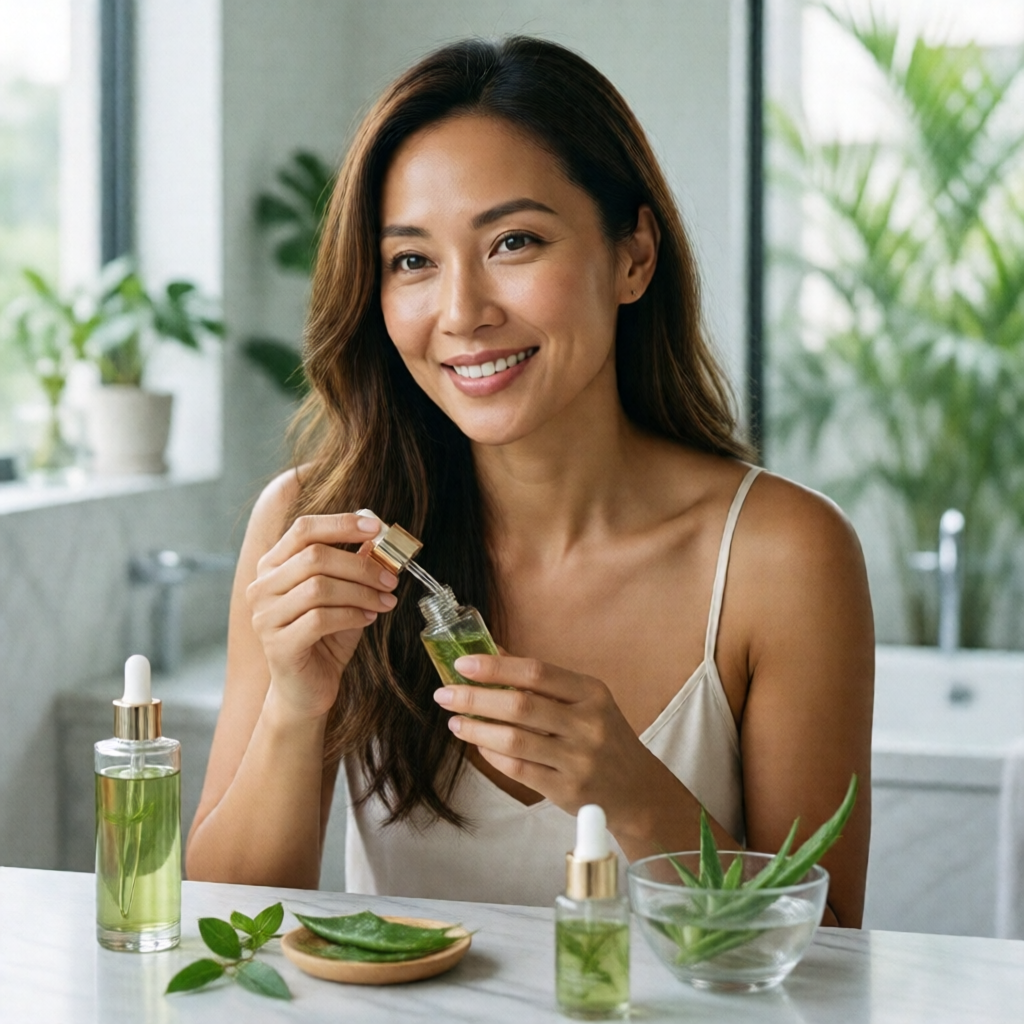
For people living in Singapore, sun exposure and a warm tropical climate make daily skincare habits particularly important. Choosing suitable products and maintaining consistency can help you build a practical routine for a more even-looking complexion.
Table of Contents
- What Causes Uneven Skin Tone?
- Why Gentle Skincare Matters
- Natural Ingredients Commonly Used for Uneven Tone
- The Importance of Antioxidants
- Why Sunscreen Should Be Part of Your Routine
- A Simple Organic Skincare Routine
- How to Avoid Making Uneven Tone Worse
- Uneven Skin Tone and Singapore’s Climate
- How Long Should You Expect to Wait for Results?
- Final Thoughts
1. What Causes Uneven Skin Tone?
Uneven skin tone can develop for several reasons.
Sun exposure is one of the most important environmental factors. Ultraviolet radiation can contribute to changes in pigmentation, particularly when skin is exposed repeatedly without adequate protection.
Post-breakout marks are another common reason that the complexion may appear uneven. After an area of skin becomes inflamed, temporary discoloration can remain even after the original blemish has disappeared.
Skin irritation can also affect the appearance of the complexion. Using too many strong products, exfoliating too frequently or repeatedly disturbing the skin can leave it looking red or uneven.
Other factors, including natural ageing and individual skin characteristics, can also influence pigmentation.
Understanding the possible cause is useful because skincare should focus on maintaining healthy skin rather than simply adding more brightening products.
2. Why Gentle Skincare Matters
When trying to improve the appearance of uneven skin tone, it can be tempting to use multiple exfoliants, brightening products and concentrated treatments at the same time.
However, more products do not necessarily mean better results.
A gentle routine can help you maintain your skin barrier while gradually introducing ingredients designed to support a brighter, more even-looking complexion.
Start with the basics:
- Gentle cleansing
- Adequate hydration
- Suitable moisturisation
- Daily sun protection
- Carefully selected treatment products
If your skin becomes irritated, reduce the number of active products and give your skin time to settle.
3. Natural Ingredients Commonly Used for Uneven Tone
Organic and natural skincare products can contain a wide range of botanical ingredients. Their suitability depends on the formulation and your individual skin.
Aloe Vera
Aloe vera is commonly used in hydrating skincare products. Keeping the skin comfortably hydrated can be useful when maintaining a simple skincare routine.
Licorice Root
Licorice-derived ingredients are frequently used in skincare products formulated for the appearance of uneven pigmentation and dullness.
Vitamin C
Vitamin C is an antioxidant commonly used in skincare formulations targeting the appearance of dull or uneven skin.
Different forms of vitamin C can vary considerably in stability and formulation, so the overall product matters rather than simply the ingredient name.
Green Tea
Green tea extracts are commonly used in skincare because they contain antioxidant compounds. They can be included in formulations designed to support skin exposed to everyday environmental stressors.
Rosehip Oil
Rosehip oil is a botanical oil used in many natural skincare formulations. It provides emollient properties and can help support a moisturising routine.
Natural ingredients can still cause sensitivity in some people. Always consider the complete formulation rather than assuming that plant-based products are automatically suitable for everyone.
4. The Importance of Antioxidants
Environmental exposure can contribute to oxidative stress in the skin. Antioxidants are therefore frequently included in skincare formulations designed to support healthy-looking skin.
Ingredients such as vitamin C and green tea extract are examples of antioxidants commonly found in skincare.
However, antioxidant skincare works best as part of a broader routine rather than as a replacement for sun protection.
A product containing antioxidants cannot compensate for consistently inadequate protection from ultraviolet exposure.
This is why a simple routine combining antioxidants, moisturisation and sunscreen can be more practical than relying on a single “brightening” product.
5. Why Sunscreen Should Be Part of Your Routine
Daily sun protection is one of the most important habits when caring for uneven-looking skin tone.
Without adequate protection, repeated ultraviolet exposure can contribute to pigmentation changes and make it harder to maintain an even-looking complexion.
In Singapore, sun protection can be relevant throughout the year because outdoor conditions are frequently bright and warm.
Apply sunscreen according to the product’s instructions and reapply when appropriate, particularly during prolonged outdoor activities.
Sun protection does not have to be complicated. Sunscreen can simply be the final step of your morning skincare routine.
Physical measures such as hats, umbrellas, shade and suitable clothing can also complement sunscreen when spending extended periods outdoors.
6. A Simple Organic Skincare Routine
A straightforward routine can help you remain consistent.
Morning
Start with a gentle cleanser or rinse your face if cleansing is not necessary.
Follow with a lightweight hydrating toner or serum if desired. You can then use a moisturiser suitable for your skin type.
Finish with sunscreen.
A simple morning routine could therefore look like:
Cleanser → Hydrating product → Moisturiser → Sunscreen
Evening
At night, remove sunscreen and other products with a suitable cleanser.
If you use a treatment product for uneven tone, apply it according to its instructions.
Follow with a moisturiser to support comfortable hydration.
A basic evening routine can be:
Cleanser → Treatment → Moisturiser
You do not need to use multiple treatment products simultaneously.
7. How to Avoid Making Uneven Tone Worse
One of the biggest mistakes is trying to correct uneven skin tone too aggressively.
Avoid Excessive Exfoliation
Exfoliation can be part of some skincare routines, but using exfoliating products too frequently may leave your skin uncomfortable or irritated.
Do Not Pick Breakouts
Picking or squeezing blemishes can increase irritation and may contribute to lingering marks.
Introduce Products Gradually
When adding a new skincare product, introduce it carefully rather than changing your entire routine at once.
This makes it easier to determine whether the product agrees with your skin.
Do Not Assume Natural Means Risk-Free
Essential oils, botanical extracts and other naturally derived ingredients can still cause reactions in some individuals.
Patch testing and careful product selection are useful precautions.
Avoid Constantly Changing Products
Give your routine time to become consistent. Switching products every few days makes it difficult to understand what is actually working.
8. Uneven Skin Tone and Singapore’s Climate
Singapore’s tropical environment creates several considerations for skincare.
High humidity and heat can increase perspiration and make heavy skincare products uncomfortable. At the same time, frequent exposure to air conditioning can make some people feel that their skin is drier.
A lightweight moisturiser can therefore be a practical daytime choice for many people.
Sun protection is another major consideration. If you spend significant time outdoors, sunscreen should be an important part of your morning routine.
After exercising or spending time outdoors, gently cleansing the skin can help remove sweat, sunscreen and surface impurities.
The key is to adapt your skincare routine without making it unnecessarily complicated.
9. How Long Should You Expect to Wait for Results?
Skincare is generally a gradual process.
The time required for changes in the appearance of uneven skin tone can vary significantly depending on the cause, the products being used and individual skin characteristics.
Rather than expecting dramatic changes within a few days, focus on maintaining consistent habits.
A routine that includes gentle cleansing, hydration and daily sun protection provides a useful foundation. If you are using a targeted skincare ingredient, follow the product’s recommended usage rather than increasing the frequency simply because results are not immediately visible.
If pigmentation is persistent, changing significantly or causing concern, consider speaking with a qualified dermatologist or healthcare professional for personalised advice.
10. Final Thoughts
Organic skincare can be incorporated into a routine designed to support a more even-looking complexion, but the process should focus on consistency rather than aggressive treatment.
Look for suitable botanical and naturally derived ingredients, keep your skin comfortably hydrated and avoid excessive exfoliation or unnecessary product layering.
Most importantly, make sun protection a daily habit. In Singapore’s tropical climate, consistent protection from ultraviolet exposure is particularly relevant when caring for uneven-looking skin tone.
A simple routine that you can maintain every day is often more practical than an elaborate routine filled with products that are difficult to use consistently.
Healthy-looking skin does not require dozens of products. With gentle care, appropriate ingredients and consistent daily habits, you can create a natural skincare routine that supports a brighter and more balanced-looking complexion.