
Combination skin can be difficult to manage because different areas of the face may have very different needs. The T-zone may become oily and shiny during the day, while the cheeks can feel normal, dry or uncomfortable. Choosing the right cleanser is therefore important because an overly harsh formula can strip the drier areas, while a cleanser that is too rich may leave oily areas feeling heavy.
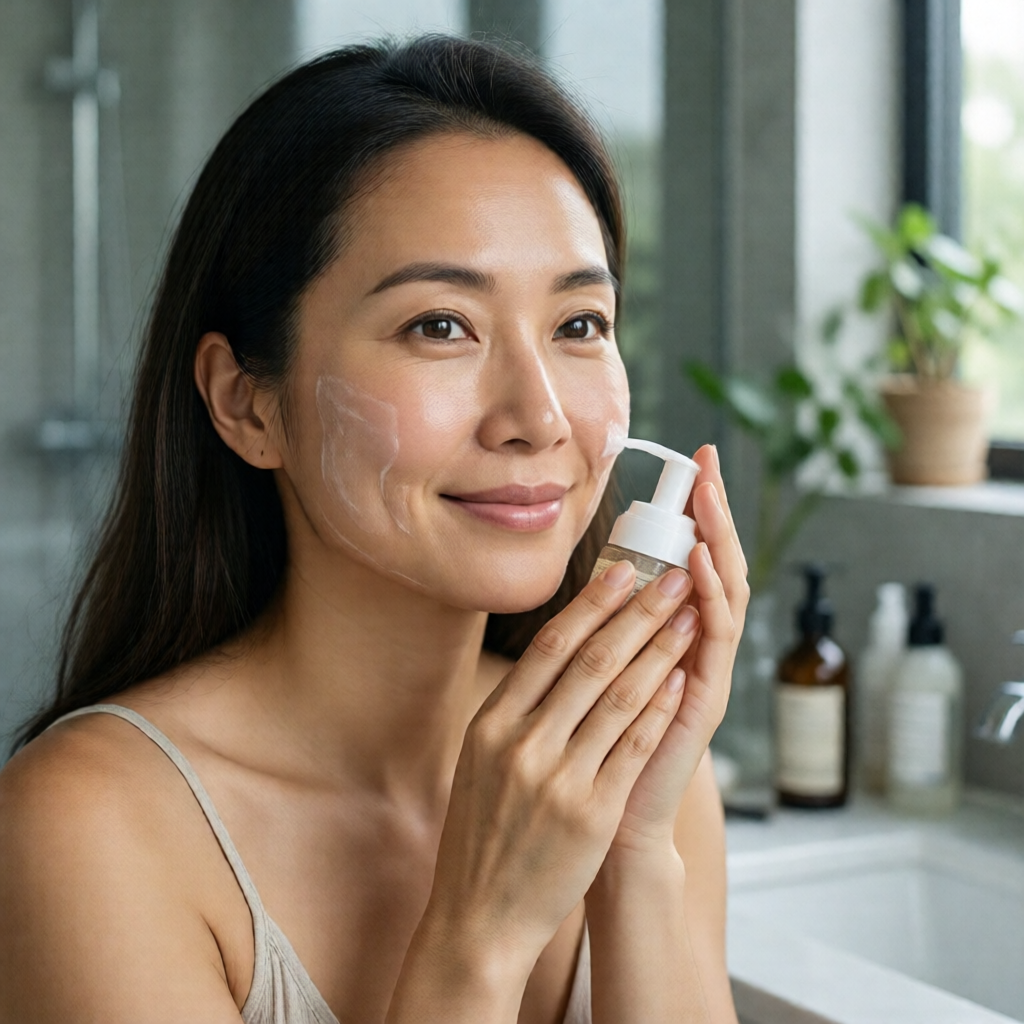
For people looking for organic skincare in Singapore, choosing a cleanser should involve more than simply looking for the word “organic” on the label. The cleanser should be gentle enough for regular use while effectively removing sweat, excess oil, sunscreen and daily impurities.
A well-chosen cleanser can provide a practical foundation for a balanced skincare routine without unnecessarily disturbing the skin’s natural moisture barrier.
Table of Contents
- What Is Combination Skin?
- Why Choosing the Right Cleanser Matters
- Look for a Gentle Cleansing Formula
- Consider Your Skin’s Hydration Needs
- Natural Ingredients to Look For
- Ingredients That May Be Too Harsh
- How to Cleanse Combination Skin Properly
- Should You Use Different Cleansers?
- Choosing a Cleanser for Singapore’s Climate
- Common Cleansing Mistakes
- Final Thoughts
What Is Combination Skin?
Combination skin generally refers to skin where some areas produce more oil than others.
The T-zone, which includes the forehead, nose and chin, may become oily or develop visible shine. Meanwhile, the cheeks may feel comfortable, dry or occasionally sensitive.
This means combination skin does not necessarily need an extremely strong oil-control cleanser. Removing too much oil can leave certain areas feeling dry and tight.
The objective is to cleanse the skin effectively while maintaining a comfortable balance.
Why Choosing the Right Cleanser Matters
Cleansing is usually the first skincare step, so the product you choose can influence how the rest of your routine feels.
A cleanser that is too aggressive may leave the skin feeling tight after washing. This can be particularly uncomfortable around the cheeks and other areas that are less oily.
On the other hand, a cleanser that does not adequately remove sunscreen, sweat and excess oil may leave the face feeling heavy or unclean.
For combination skin, a gentle middle ground is often useful. The cleanser should remove everyday impurities without making the skin feel stripped.
Look for a Gentle Cleansing Formula
When selecting an organic cleanser, pay attention to the overall formulation rather than relying solely on marketing terminology.
A gentle cleanser should leave the face feeling clean but not excessively tight.
Cream, gel and low-foaming formulations can all work depending on the individual product and your skin’s needs. There is no single cleanser texture that is automatically suitable for every person with combination skin.
If your face consistently feels tight immediately after cleansing, the cleanser may be too harsh for your skin or you may be cleansing too frequently.
A good starting point is to use a cleanser designed for gentle daily cleansing rather than choosing the strongest oil-removing product available.
Consider Your Skin’s Hydration Needs
Combination skin can also become dehydrated.
This is important because dehydration and oiliness can occur at the same time. You may notice shine on your forehead and nose while your cheeks feel tight.
A cleanser that focuses heavily on removing oil may make this situation less comfortable.
Instead, look for a formulation that cleanses without excessively drying the skin. Ingredients commonly used in gentle skincare formulations, such as glycerin and certain plant-derived moisturising ingredients, may help provide a more comfortable cleansing experience.
After cleansing, follow with appropriate hydrating and moisturising products to support the skin’s overall comfort.
Natural Ingredients to Look For
Organic and naturally oriented skincare products often contain botanical ingredients. However, natural origin alone does not determine whether a product will suit your skin.
When selecting a cleanser, consider the purpose of the ingredients and the overall formulation.
Some ingredients commonly found in skincare cleansers include:
Aloe vera: Often used in formulations designed to provide a soothing and comfortable skin feel.
Glycerin: A widely used humectant that helps attract water and is commonly included in hydrating formulations.
Green tea: Contains naturally occurring antioxidant compounds and is frequently used in skincare products.
Chamomile: Often included in gentle skincare formulations designed for a soothing skin experience.
Plant oils: Certain plant-derived oils may be used in cleansing formulations, although their suitability depends on the complete formula and individual skin.
It is also worth remembering that botanical ingredients can still cause irritation or sensitivity in some individuals.
Ingredients That May Be Too Harsh
Combination skin does not necessarily benefit from aggressive cleansing.
Be cautious with products that consistently leave your skin feeling stripped, burning or excessively tight after use.
Some people may also find strongly fragranced products or certain essential oils irritating, particularly when their skin is sensitive.
If you notice persistent redness, burning or discomfort after using a cleanser, discontinue the product and consider a simpler alternative.
The term “natural” does not guarantee that an ingredient will be suitable for everyone. Individual tolerance matters.
How to Cleanse Combination Skin Properly
Your cleansing technique is just as important as the cleanser itself.
Start by wetting your face with lukewarm water. Apply a small amount of cleanser and gently massage it over the face using your fingertips.
Pay attention to areas that tend to become oily, such as the nose, forehead and chin, but avoid aggressively scrubbing these areas.
Rinse thoroughly and gently pat the skin dry with a clean towel.
Avoid using very hot water because it can make the skin feel uncomfortable and dry.
For most people, cleansing twice a day may be sufficient, although individual routines can vary. If your skin becomes dry or irritated, reassess how frequently you cleanse and which products you are using.
Should You Use Different Cleansers?
Most people with combination skin do not need a separate cleanser for every area of the face.
Using one gentle cleanser consistently can be simpler and easier to manage.
However, individual needs vary. Someone with a particularly oily T-zone and dry cheeks may choose to adjust the amount of cleanser or frequency of cleansing rather than switching between multiple products.
A simple routine also makes it easier to identify which product is responsible if irritation develops.
If your skin has a persistent condition that is difficult to manage, professional advice can help determine whether a different approach is appropriate.
Choosing a Cleanser for Singapore’s Climate
Singapore’s hot and humid environment can increase sweating and surface oil production, particularly when spending time outdoors.
At the same time, frequent exposure to air conditioning can leave some people’s skin feeling dry or uncomfortable.
This makes a balanced cleanser particularly useful.
After outdoor activities or exercise, cleansing can help remove sweat, sunscreen and accumulated impurities. However, repeatedly washing the face simply because it feels oily may not be necessary.
Choose a cleanser based on how your skin actually behaves rather than assuming that a tropical climate automatically requires a strong oil-control formula.
Your routine may also change depending on the season, your activities and the amount of time you spend indoors or outdoors.
Common Cleansing Mistakes
Several common habits can make combination skin more difficult to manage.
Using very hot water: Hot water can leave the skin feeling dry or uncomfortable.
Scrubbing aggressively: Physical friction can irritate the skin.
Cleansing too frequently: Repeated cleansing may make certain areas feel stripped.
Choosing the strongest oil-control cleanser: Removing too much surface oil may make dry areas uncomfortable.
Ignoring hydration: Combination skin can still become dehydrated.
Changing cleansers too often: Constantly switching products makes it harder to determine what works for your skin.
Assuming organic means irritation-free: Botanical and natural ingredients can still cause sensitivity in some people.
Final Thoughts
Choosing an organic cleanser for combination skin is mainly about finding a balance between effective cleansing and maintaining skin comfort.
Rather than choosing the strongest product for oily areas, look for a gentle formulation that can remove everyday impurities without leaving the rest of your face feeling stripped. Hydrating ingredients and suitable botanical extracts can complement a simple skincare routine, but the complete formulation and your individual skin response are more important than any single ingredient.
For people living in Singapore, the combination of heat, humidity, sweat and air conditioning makes it especially useful to pay attention to how your skin changes throughout the day.
A gentle cleanser, followed by suitable hydration and moisturisation, can provide a practical foundation for caring for combination skin consistently.