Table of Contents
- Introduction
- What Is Natural Skincare?
- Why Dermatologists Recommend Certain Natural Ingredients
- Aloe Vera
- Colloidal Oatmeal
- Centella Asiatica (Cica)
- Green Tea Extract
- Jojoba Oil
- Shea Butter
- Chamomile
- Calendula
- Rosehip Oil
- Squalane
- Ingredients to Use with Caution
- How to Choose Natural Skincare Products
- Frequently Asked Questions
- Conclusion
Natural Skincare Ingredients That Dermatologists Recommend
Natural skincare has become increasingly popular among people looking for gentler alternatives to conventional beauty products. While many ingredients derived from plants have been used for centuries, modern dermatological research has also identified several natural ingredients that can effectively support healthy skin when properly formulated.
However, not every natural ingredient is automatically safe or beneficial. Poison ivy, for example, is natural but certainly not suitable for skincare. This is why dermatologists recommend choosing ingredients that have both a long history of safe use and scientific evidence supporting their benefits.
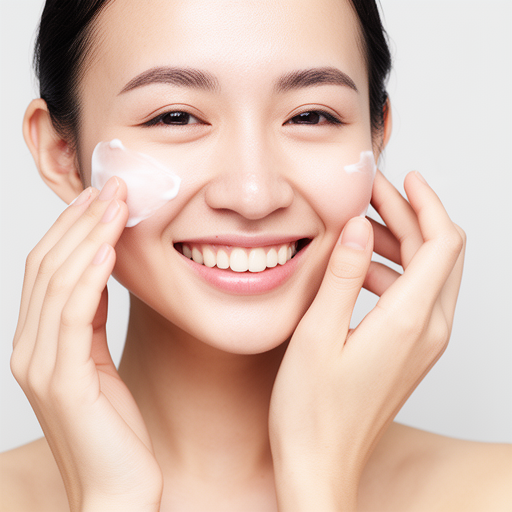
Whether you have dry skin, oily skin, sensitive skin, or mature skin, understanding which natural ingredients are backed by research can help you make better skincare decisions.
What Is Natural Skincare?
Natural skincare generally refers to products made primarily from ingredients derived from plants, minerals, or naturally occurring substances. These ingredients are processed with the goal of preserving their beneficial properties while minimizing unnecessary synthetic additives.
Common natural skincare ingredients include:
- Plant oils
- Botanical extracts
- Fruit extracts
- Herbal ingredients
- Natural butters
- Essential fatty acids
- Natural antioxidants
Although many natural ingredients are gentle, it is important to remember that everyone reacts differently depending on their skin type.
Why Dermatologists Recommend Certain Natural Ingredients
Dermatologists evaluate skincare ingredients based on several important factors.
Recommended ingredients usually have:
- Scientific evidence supporting effectiveness
- Low risk of irritation
- Skin barrier support
- Anti-inflammatory properties
- Antioxidant protection
- Hydrating benefits
- Long-term safety
Instead of following skincare trends, dermatologists typically recommend choosing products based on ingredient quality and skin compatibility.
Aloe Vera
Aloe vera is one of the most widely recommended natural skincare ingredients.
Benefits include:
- Provides lightweight hydration
- Helps soothe irritated skin
- Reduces temporary redness
- Supports skin recovery
- Refreshes sun-exposed skin
Because of its gentle nature, aloe vera is suitable for most skin types, including sensitive skin.
Colloidal Oatmeal
Colloidal oatmeal is highly recommended for people with eczema, dry skin, and sensitive skin.
It works by:
- Supporting the skin barrier
- Reducing moisture loss
- Relieving itchiness
- Soothing irritation
- Improving overall skin comfort
Many dermatologists recommend oatmeal-based skincare products for individuals experiencing chronic dryness.
Centella Asiatica (Cica)
Centella Asiatica, often called Cica, has become one of the most popular ingredients in modern skincare.
Its benefits include:
- Supports skin barrier repair
- Calms redness
- Helps improve skin resilience
- Provides antioxidant protection
- Encourages healthier-looking skin
People with sensitive or acne-prone skin often benefit from products containing Centella Asiatica.
Green Tea Extract
Green tea is rich in natural polyphenols that provide antioxidant protection.
Potential benefits include:
- Protects against environmental stress
- Helps reduce excess oil
- Supports calmer-looking skin
- Reduces visible redness
- Helps combat oxidative damage
Green tea extract is commonly found in cleansers, serums, toners, and moisturizers.
Jojoba Oil
Unlike many heavier oils, jojoba oil closely resembles the skin’s natural sebum.
Benefits include:
- Lightweight hydration
- Helps balance oil production
- Softens skin
- Supports skin barrier
- Suitable for combination skin
Because it absorbs easily, jojoba oil is often recommended for both dry and oily skin.
Shea Butter
Shea butter is well known for its rich moisturizing properties.
It helps:
- Deeply nourish dry skin
- Improve skin softness
- Reduce moisture loss
- Support skin barrier function
- Protect against dryness
People with dry or mature skin often benefit from moisturizers containing shea butter.
Chamomile
Chamomile has been used in skincare for centuries because of its naturally calming properties.
Benefits include:
- Helps soothe sensitive skin
- Reduces temporary redness
- Supports irritated skin
- Provides antioxidant protection
- Enhances skin comfort
Chamomile is commonly found in facial creams, cleansers, and facial masks.
Calendula
Calendula flowers contain naturally occurring compounds that help comfort irritated skin.
Potential benefits include:
- Supports skin healing
- Calms redness
- Moisturizes dry skin
- Softens rough patches
- Improves skin comfort
Many natural skincare products formulated for babies and sensitive skin include calendula.
Rosehip Oil
Rosehip oil is rich in essential fatty acids and natural vitamins.
Benefits include:
- Nourishes mature skin
- Improves skin texture
- Supports hydration
- Helps brighten dull-looking skin
- Provides antioxidant protection
Its lightweight texture makes it suitable for nightly skincare routines.
Squalane
Although squalane is naturally found in human skin, plant-derived squalane is widely used in natural skincare.
It offers several benefits:
- Lightweight hydration
- Non-greasy finish
- Supports the skin barrier
- Suitable for nearly all skin types
- Helps reduce moisture loss
Because it is highly stable and gentle, dermatologists often recommend squalane for sensitive skin.
Ingredients to Use with Caution
Even natural ingredients can trigger irritation in some individuals.
Certain ingredients may require extra care, including:
- Highly concentrated essential oils
- Citrus oils
- Cinnamon oil
- Peppermint oil
- Undiluted tea tree oil
- Strong natural exfoliants
Always perform a patch test before introducing a new product into your skincare routine.
How to Choose Natural Skincare Products
When shopping for natural skincare, focus on product quality rather than marketing claims.
Helpful tips include:
- Read the complete ingredient list.
- Choose products designed for your skin type.
- Avoid excessive artificial fragrance.
- Look for products with well-known botanical ingredients.
- Buy from reputable brands with transparent ingredient information.
- Introduce one new product at a time.
- Give products several weeks before evaluating results.
A consistent routine is usually more beneficial than frequently switching between products.
Frequently Asked Questions
Are natural skincare ingredients suitable for all skin types?
Many natural ingredients are suitable for a wide range of skin types, but individual reactions vary. Patch testing is always recommended before regular use.
Can natural ingredients replace prescription skincare?
Natural skincare may help support healthy skin, but it should not replace medical treatment prescribed by a healthcare professional for skin conditions such as severe acne, eczema, or psoriasis.
Are essential oils always good for the skin?
Not necessarily. Some essential oils may irritate sensitive skin, especially when used in high concentrations.
How many natural ingredients should a skincare routine contain?
A simple routine with a few well-formulated products is often more effective than using many products with overlapping ingredients.
Can I combine multiple natural ingredients?
Yes. Many skincare products combine complementary botanical ingredients to provide hydration, antioxidant protection, and skin barrier support.
Conclusion
Natural skincare offers many beneficial ingredients that are supported by both traditional use and modern dermatological research. Ingredients such as aloe vera, colloidal oatmeal, Centella Asiatica, green tea extract, jojoba oil, shea butter, chamomile, calendula, rosehip oil, and plant-derived squalane have earned recommendations because they help hydrate, soothe, and protect the skin while supporting a healthy skin barrier.
The key to successful skincare is not choosing the product with the longest ingredient list, but selecting high-quality formulations that match your skin type and using them consistently. By understanding which natural ingredients dermatologists commonly recommend, you can build a skincare routine that promotes healthier, more resilient skin for the long term.