
Table of Contents
- Introduction
- Why Choosing the Right Face Wash Matters
- Understanding Your Skin Type
- Benefits of Organic Face Wash
- Key Organic Ingredients for Different Skin Types
- Ingredients to Avoid
- How to Choose an Organic Face Wash
- Proper Face Washing Technique
- Common Face Washing Mistakes
- Frequently Asked Questions
- Conclusion
How to Choose the Right Organic Face Wash for Your Skin Type
A good skincare routine starts with choosing the right face wash. Cleansing removes dirt, excess oil, sunscreen, makeup, sweat, and environmental pollutants that accumulate throughout the day. However, using the wrong cleanser can damage your skin barrier, leading to dryness, irritation, excess oil production, or breakouts.
With more consumers looking for cleaner beauty products, organic face washes have become increasingly popular. Many are formulated with naturally derived botanical ingredients that cleanse effectively while helping to maintain the skin’s natural moisture balance.
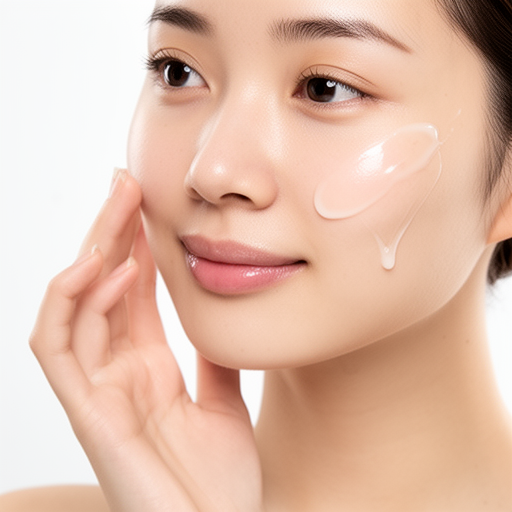
The challenge is that no single face wash works for everyone. Your skin type plays an important role in determining which ingredients and formulations will provide the best results. This guide explains how to choose the right organic face wash for your skin type and build a healthier skincare routine.
Why Choosing the Right Face Wash Matters
Your facial skin is constantly exposed to environmental stressors such as dust, pollution, sweat, bacteria, and ultraviolet rays. Throughout the day, these contaminants accumulate on the skin’s surface.
A suitable cleanser helps to:
- Remove dirt and impurities
- Eliminate excess sebum
- Wash away sunscreen and makeup
- Prepare the skin for serums and moisturizers
- Support a healthy skin barrier
- Reduce clogged pores
Using a cleanser that is too harsh may strip away the skin’s natural protective oils, while a cleanser that is too mild may leave behind residue that contributes to breakouts.
Understanding Your Skin Type
Before selecting an organic face wash, it is important to identify your skin type.
Dry Skin
Dry skin often feels tight after cleansing and may develop flaky patches or rough texture. It requires gentle cleansers that replenish moisture while cleansing.
Oily Skin
Oily skin produces excess sebum, resulting in a shiny appearance and enlarged pores. Cleansers should remove excess oil without causing the skin to overcompensate by producing even more oil.
Combination Skin
Combination skin usually has an oily T-zone with normal or dry cheeks. A balanced cleanser that does not over-dry or over-moisturize works best.
Sensitive Skin
Sensitive skin reacts easily to certain ingredients and may experience redness, burning, itching, or irritation. Fragrance-free and calming botanical ingredients are usually the safest choice.
Acne-Prone Skin
Acne-prone skin benefits from cleansers that remove excess oil while supporting the skin barrier and minimizing irritation.
Benefits of Organic Face Wash
Organic face washes are designed to cleanse the skin while incorporating plant-based ingredients that nourish and protect the skin.
Some potential benefits include:
- Gentle cleansing
- Fewer harsh synthetic chemicals
- Better moisture retention
- Rich in antioxidants
- Supports healthy skin barrier
- Suitable for everyday use
- Often free from unnecessary artificial colouring
Many organic cleansers also contain botanical extracts that help soothe irritated skin while maintaining hydration.
Key Organic Ingredients for Different Skin Types
Choosing ingredients based on your skin type often produces better results than selecting products based on marketing claims alone.
For Dry Skin
Look for ingredients such as:
- Shea butter
- Aloe vera
- Jojoba oil
- Coconut-derived cleansers
- Glycerin
- Oat extract
These ingredients help maintain moisture while gently cleansing.
For Oily Skin
Helpful ingredients include:
- Green tea extract
- Tea tree oil
- Witch hazel
- Willow bark extract
- Aloe vera
These ingredients help control excess oil while keeping the skin balanced.
For Sensitive Skin
Gentle ingredients include:
- Chamomile
- Calendula
- Centella Asiatica
- Oat extract
- Aloe vera
These botanicals help calm redness and strengthen the skin barrier.
For Combination Skin
Balanced formulations containing:
- Green tea
- Aloe vera
- Jojoba oil
- Cucumber extract
can effectively cleanse without over-drying.
For Mature Skin
Look for antioxidant-rich ingredients such as:
- Rosehip oil
- Green tea
- Sea buckthorn oil
- Vitamin E
- Bakuchiol
These ingredients help nourish aging skin while maintaining hydration.
Ingredients to Avoid
Some ingredients may increase irritation, particularly for individuals with dry or sensitive skin.
Consider avoiding products that contain:
- Artificial fragrances
- Strong synthetic perfumes
- Harsh sulfates
- High concentrations of alcohol
- Artificial colouring
- Excessively abrasive exfoliating particles
Always read the ingredient label rather than relying solely on packaging claims.
How to Choose an Organic Face Wash
Consider Your Skin Type
The first step is selecting a cleanser specifically formulated for your skin’s needs.
Read the Ingredient List
Look for recognizable botanical ingredients and avoid products with long lists of unnecessary additives.
Choose pH-Balanced Products
The skin naturally has a slightly acidic pH. A pH-balanced cleanser helps preserve the protective skin barrier.
Avoid Strong Fragrance
Fragrance is one of the most common causes of skin irritation, especially for sensitive skin.
Buy From Reputable Brands
Look for brands that clearly disclose their ingredient lists and manufacturing standards.
Patch Test First
Apply a small amount of product behind your ear or on your inner forearm before using it on your face.
Proper Face Washing Technique
Even the best cleanser may not perform well if used incorrectly.
Follow these simple steps:
- Wash your hands.
- Wet your face with lukewarm water.
- Apply a small amount of cleanser.
- Gently massage using circular motions for about 30 to 60 seconds.
- Rinse thoroughly.
- Pat your face dry with a clean towel.
- Apply moisturizer immediately while the skin is still slightly damp.
Avoid hot water, which can strip natural oils and increase dryness.
Common Face Washing Mistakes
Many people unknowingly damage their skin by making simple cleansing mistakes.
These include:
- Washing too frequently
- Using very hot water
- Scrubbing aggressively
- Using too much cleanser
- Skipping moisturizer after cleansing
- Frequently switching cleansers
- Sleeping without removing sunscreen or makeup
Consistency is usually more beneficial than constantly trying new products.
Frequently Asked Questions
Can I use an organic face wash every day?
Yes. Most organic face washes are designed for daily use. Choose one that matches your skin type and follow the manufacturer’s instructions.
Does organic mean chemical-free?
No. Everything, including water and plant extracts, is made of chemicals. Organic skincare generally refers to products made with organically sourced ingredients and formulated with fewer synthetic additives.
Should oily skin avoid moisturizers after cleansing?
No. Even oily skin needs hydration. Skipping moisturizer may cause the skin to produce even more oil.
Is foaming cleanser better than cream cleanser?
Neither is universally better. Foaming cleansers often suit oily skin, while cream cleansers are generally preferred for dry or sensitive skin.
How long should I use a cleanser before changing it?
Give your skin approximately four to six weeks unless you experience irritation or an allergic reaction.
Conclusion
Choosing the right organic face wash begins with understanding your skin type rather than following beauty trends. A well-formulated cleanser should effectively remove dirt, excess oil, sunscreen, and environmental pollutants without disrupting your skin’s natural protective barrier.
Whether you have dry, oily, combination, sensitive, or mature skin, selecting an organic face wash with gentle botanical ingredients can help maintain healthier, more balanced skin. By reading ingredient labels carefully, avoiding harsh additives, and following proper cleansing techniques, you can create a skincare routine that supports long-term skin health and leaves your complexion feeling clean, comfortable, and refreshed every day.