With the growing popularity of clean beauty, many consumers encounter the terms organic skincare and natural skincare. While they may seem interchangeable, there are important differences in how products are formulated, certified, and regulated. Understanding these distinctions in 2026 helps you make informed choices for healthy, effective skincare routines.
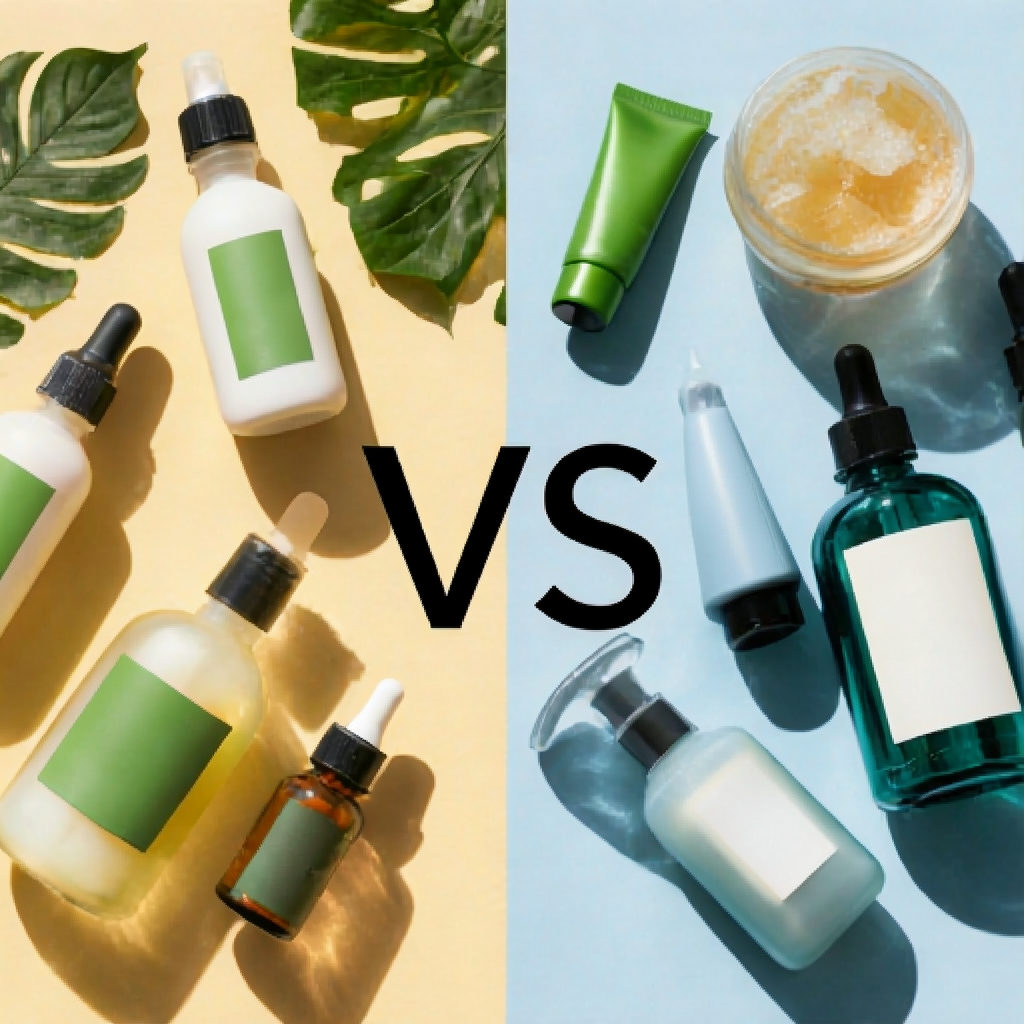
Table of Contents
- What Is Natural Skincare?
- What Is Organic Skincare?
- Key Differences Between Organic and Natural Products
- Certifications and Regulatory Standards
- Benefits of Choosing Organic Skincare
- How to Choose Between Organic and Natural Skincare
- Common Misconceptions
- Conclusion
1. What Is Natural Skincare?
Natural skincare products are made from ingredients sourced from plants, minerals, or other naturally occurring substances. Common natural ingredients include:
- Aloe vera
- Chamomile
- Coconut oil
- Green tea extract
However, natural skincare does not require certification, meaning formulations may still include synthetic preservatives, fragrances, or additives alongside natural ingredients. The focus is primarily on using naturally derived ingredients rather than strict ingredient purity.
2. What Is Organic Skincare?
Organic skincare products must meet stringent criteria regarding ingredient sourcing and production. Key aspects include:
- Ingredients grown without synthetic pesticides, herbicides, or GMOs
- Minimal processing to retain natural properties
- Compliance with organic certification standards, such as USDA Organic, COSMOS, or Ecocert
Organic products often emphasize purity and sustainability, ensuring that both the ingredients and the final product maintain integrity.
3. Key Differences Between Organic and Natural Products
| Feature | Natural Skincare | Organic Skincare |
|---|---|---|
| Ingredient sourcing | Derived from nature, may include synthetics | Certified organic ingredients, no synthetic pesticides or GMOs |
| Certification | Not required | Required (USDA, COSMOS, Ecocert) |
| Environmental impact | Varies depending on ingredient sourcing | Typically lower due to sustainable practices |
| Product purity | May contain synthetic additives | Focus on high purity with minimal processing |
| Cost | Often more affordable | May be premium due to certification and sourcing |
Understanding these distinctions ensures you select products that align with your ethical, environmental, and skincare goals.
4. Certifications and Regulatory Standards
Certifications provide a reliable way to differentiate products:
- USDA Organic: Ensures at least 95% organic ingredients
- COSMOS Organic: European standard with strict ingredient criteria
- Ecocert: Internationally recognized certification for organic and natural products
Always check product labels and certification logos to verify claims.
5. Benefits of Choosing Organic Skincare
Organic skincare offers several advantages over standard natural products:
- Reduced chemical exposure: No synthetic pesticides or GMOs
- Higher potency of active ingredients: Minimal processing preserves botanical benefits
- Environmental sustainability: Organic farming methods reduce pollution and support biodiversity
- Transparency: Certifications and ingredient sourcing provide peace of mind
These benefits make organic skincare an attractive option for health-conscious and environmentally aware consumers.
6. How to Choose Between Organic and Natural Skincare
When deciding between the two:
- Consider your skin needs: Sensitive or reactive skin may benefit more from certified organic products.
- Check ingredient lists: Look for key botanicals and avoid unnecessary synthetics.
- Evaluate ethical priorities: Organic certifications often indicate a commitment to sustainability and cruelty-free practices.
- Budget: Natural skincare can be more accessible, while organic products may carry a premium cost.
Selecting products that align with your values and skin requirements ensures long-term satisfaction and skin health.
7. Common Misconceptions
- “Natural is the same as organic” – Not true; natural products may still contain synthetic ingredients.
- “Organic always works better” – Effectiveness depends on formulation and active ingredients, not just certification.
- “All natural products are safe for sensitive skin” – Some natural ingredients, like essential oils, can cause irritation.
- “Organic products are always cruelty-free” – Most are, but it’s important to verify certifications for ethical standards.
Clearing these misconceptions helps consumers make informed and confident choices.
8. Conclusion
Understanding the difference between organic and natural skincare empowers you to select products that are safe, effective, and aligned with your values. Organic skincare offers higher ingredient purity, sustainability, and transparency, while natural skincare provides gentle plant-based options at a broader range of price points.
For a comprehensive guide on choosing the right products for your skin, explore Organic vs Natural Skincare.